BYD takes the solid-state battery from the lab to the car
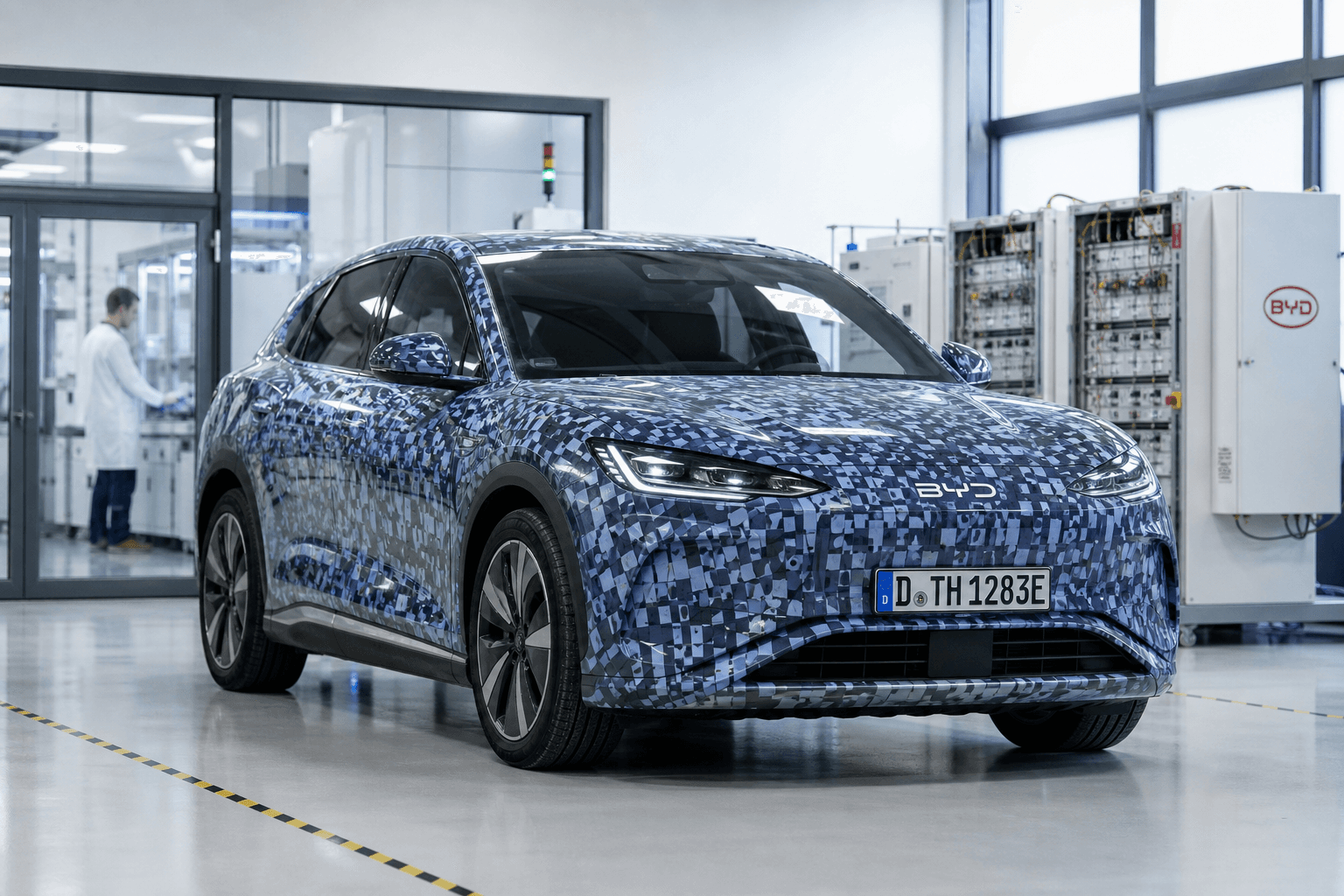
BYD is planning its first vehicle with an in-house solid-state battery for 2027. The company has confirmed this through its senior management, although it has not named a model, provided specific performance figures or announced a sales launch date.
BYD is therefore initially focusing on a technology demonstrator. A roadworthy car must show whether the cells work not only under controlled laboratory conditions but can also withstand vibrations, temperature fluctuations and numerous charging cycles.
Deployment in a vehicle in 2027 will be an important proof of integration, but it will not yet confirm the market launch of a production model.
What is known about BYD’s solid-state battery
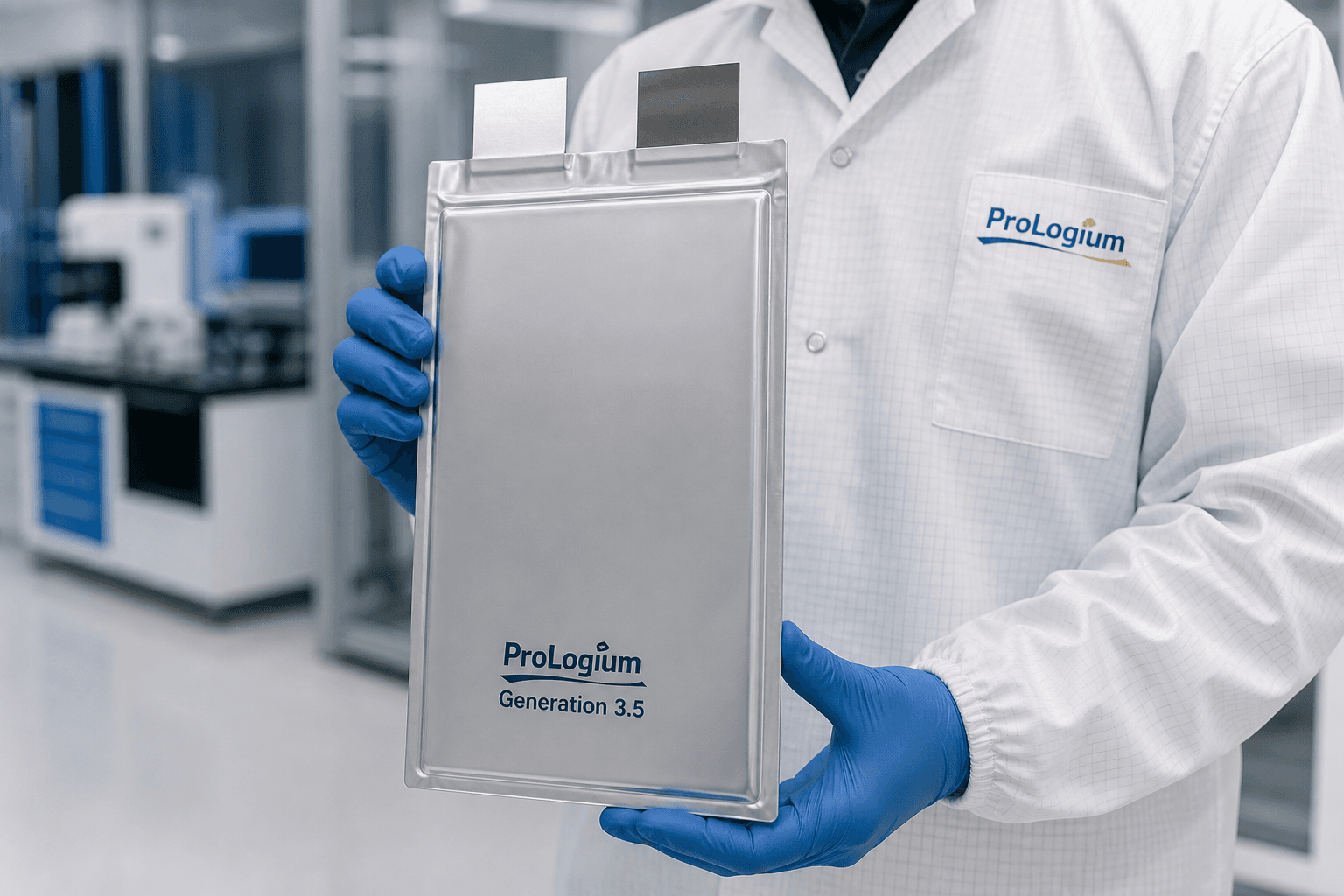
BYD’s battery division FinDreams is pursuing an inorganic sulfide chemistry. Potential solid electrolytes include LPSC materials containing lithium, phosphorus, sulfur and chlorine.
BYD has already developed prototype cells with capacities of 20 Ah and 60 Ah. At cell level, it is targeting an energy density of nearly 400 Wh/kg. However, this figure cannot be applied directly to a complete vehicle battery because the housing, cooling system, wiring and safety structures increase the pack’s weight.
By comparison, BYD uses robust and relatively inexpensive lithium iron phosphate (LFP) cells in many of its current electric cars. The extent to which this chemistry now shapes the market is evident from a look at the Chinese battery market and LFP’s high share.
Why sulfide solid-state batteries are difficult to build
Sulfide-based solid electrolytes offer high ionic conductivity and are therefore considered a promising basis for high-performance solid-state cells. However, moving from small experimental cells to a durable vehicle battery presents several technical challenges.
Contact between the solid layers
In today’s lithium-ion batteries, a liquid electrolyte can compensate for surface irregularities and wet the electrodes. In a solid-state cell, by contrast, solid materials come into contact with one another. If the electrodes change volume during charging and discharging, small gaps can form → internal resistance rises and usable capacity falls.
Some cell designs therefore require permanent mechanical pressure. This places additional demands on the housing, pack structure and pressure management, particularly if the battery is expected to withstand temperature fluctuations and road impacts over many years.
Dry manufacturing and moisture protection
Production processes must also be adapted. Conventional wet processes use solvents that may react with sulfide electrolytes. BYD is therefore developing dry processes in which PTFE fibers, among other materials, mechanically bind the electrode materials.
Another challenge is the high sensitivity to moisture. The hydrolysis of certain sulfide materials can produce toxic hydrogen sulfide. Production facilities, cells and battery packs must therefore be designed to remain consistently dry and tightly sealed.
BYD’s preliminary timeline
| Period | Planned development step |
|---|---|
| 2027 | First vehicle for technology trials |
| From around 2027 | Small-scale trials involving approximately 1,000 vehicles possible |
| Around 2030 | Targeted start of larger-scale commercial production |
| Afterward | Gradual expansion as material and manufacturing costs decline |
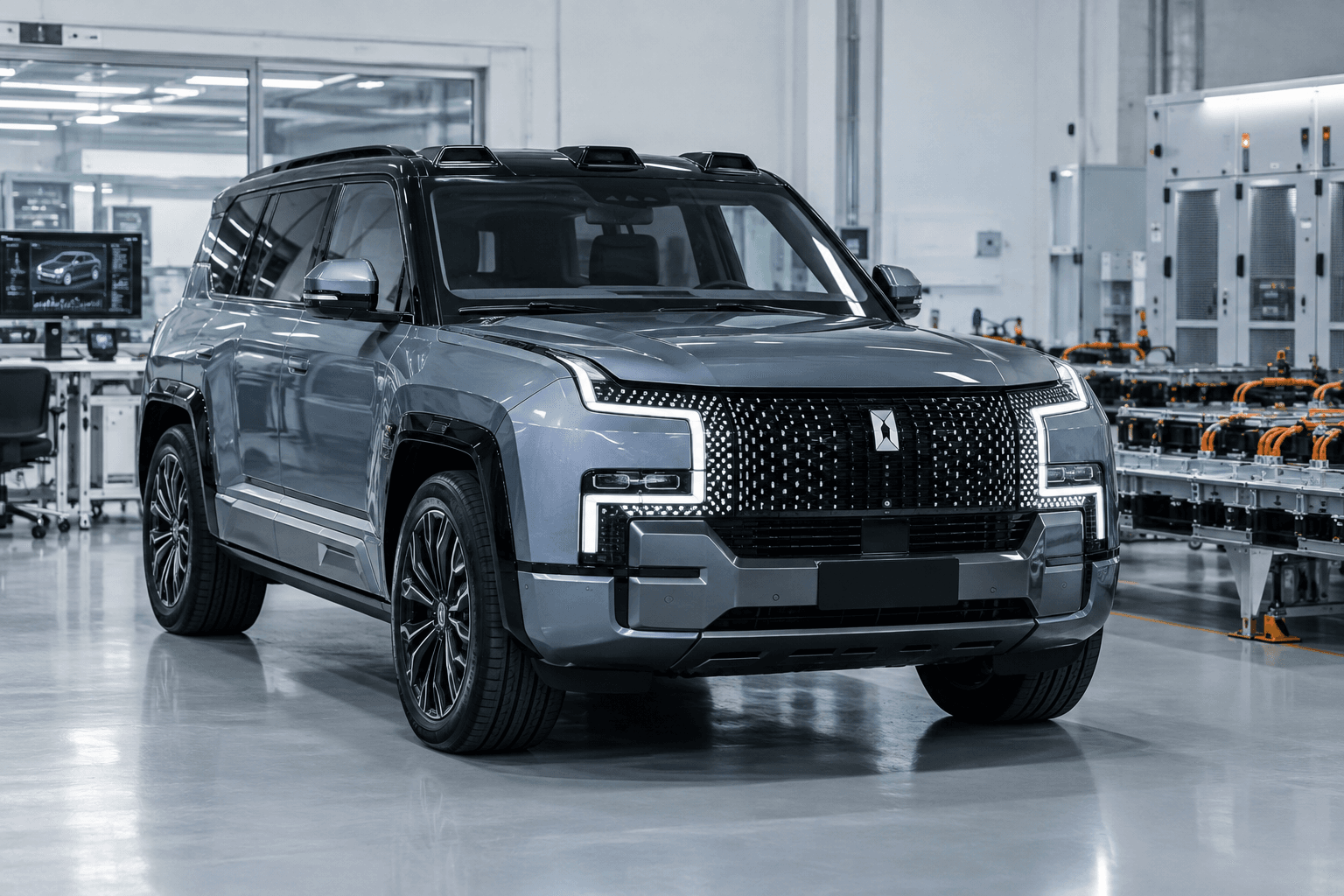
Premium vehicles are considered the most likely candidates for the first applications. Their higher prices would make it easier to absorb the initially high costs of specialized sulfide materials and new production facilities. Brands such as Yangwang or Denza are therefore potential candidates, although no specific model line has been confirmed.
Technically sophisticated platforms already exist. The Yangwang U7 completed an extensive battery endurance test, while BYD has developed a particularly large battery pack for the Denza N8. However, this does not mean that either model will receive the solid-state battery.
Toyota and Samsung SDI are pursuing similar goals
BYD is not alone in the race. Together with Idemitsu, Toyota is targeting a market launch of fully electric vehicles with solid-state batteries between 2027 and 2028. Samsung SDI has named 2027 as its target for beginning mass production of its own solid-state cells.
Such timelines reveal little about who is genuinely leading technologically. The decisive factors are reproducible cell quality, service life, safety and production costs. Moving from a functional pilot cell to annual production of several gigawatt-hours requires an enormous industrialization effort.
What this means for electric cars in Europe
Little will change in the short term for buyers in Germany, Austria and Switzerland. BYD has announced neither a European model with a solid-state battery nor pricing, range or charging performance. Even if the vehicle tests are successful, the technology is likely to appear first in small volumes and expensive model lines.
Conventional lithium-ion batteries, especially LFP batteries, will therefore remain relevant for a long time. BYD itself expects liquid-electrolyte and solid-state systems to be used in parallel for 15 to 20 years.
The 2027 test will nevertheless be an important milestone. If BYD achieves stable operation in a real vehicle, the solid-state battery will move a decisive step closer to series production. Whether this results in a widely available electric car before 2030 will depend primarily on manufacturing, durability and cost.