BYD Seal 07 Receives a Major Technology Upgrade
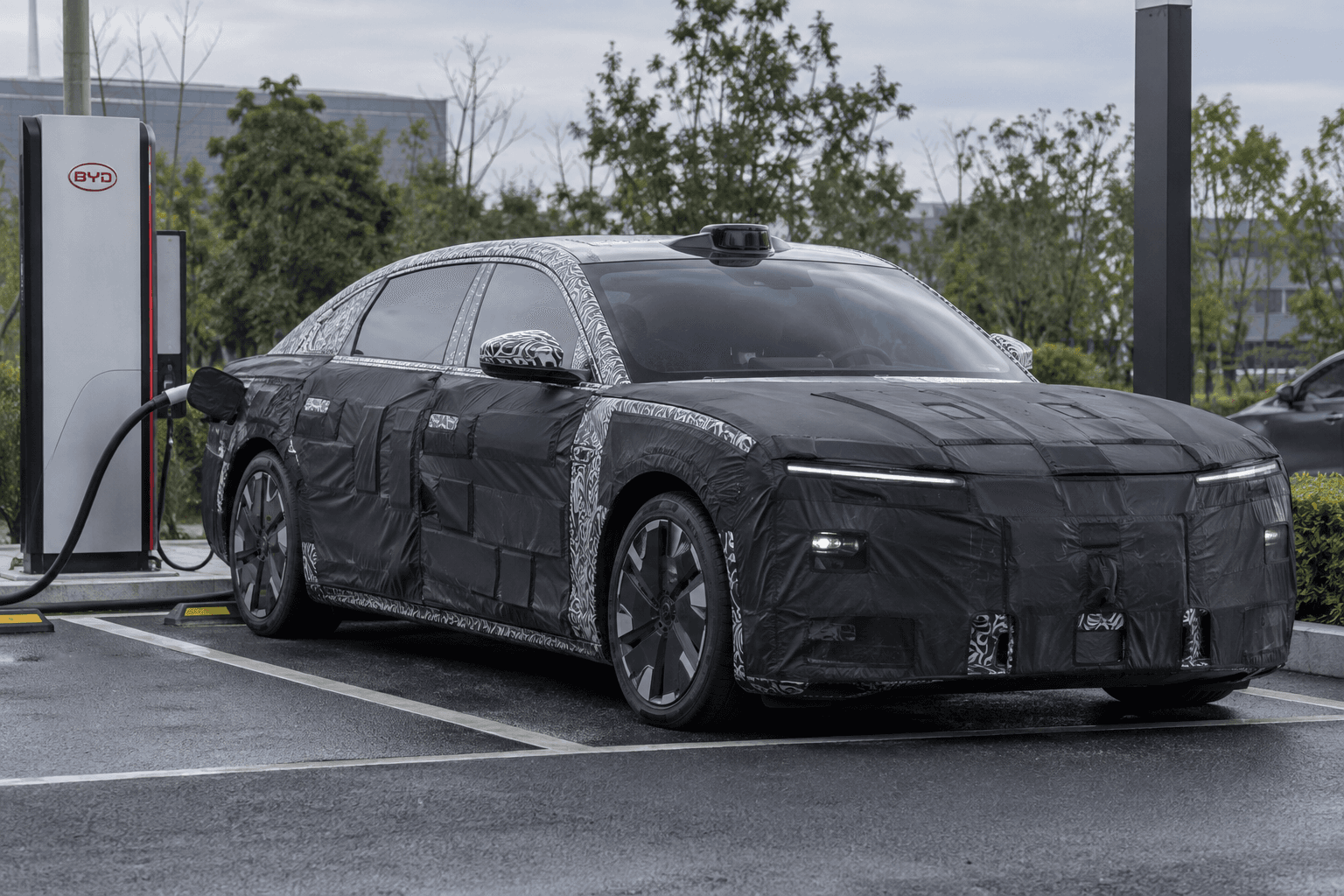
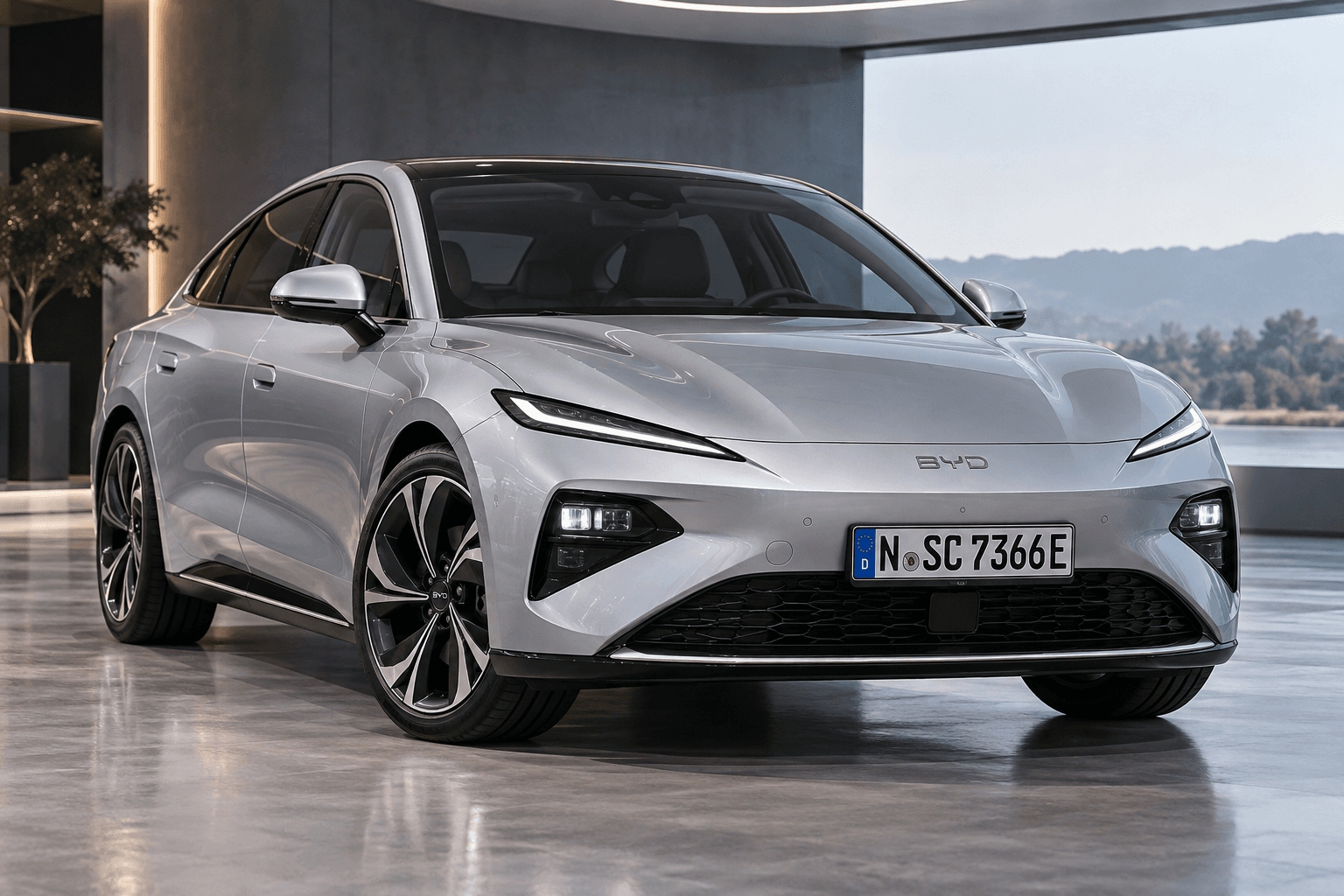
BYD is apparently preparing a new electric midsize sedan. The Seal 07 has appeared in Chinese regulatory filings with two battery sizes and could make a significant leap forward in both range and charging performance.
The planned battery capacities are 76 kWh and 88 kWh. Of particular interest is the announced Flash Charging technology, which is said to bring both versions to a very high state of charge in just nine minutes.
The Seal 07 could demonstrate how quickly BYD is advancing its electric cars in terms of range and charging speed.
BYD Seal 07 Battery Options and Range
| Variant | Battery capacity | Range | Charging technology |
|---|---|---|---|
| Base model | 76 kWh | more than 630 km, preliminary WLTP estimate | Flash Charging |
| Long-range version | 88 kWh | just over 700 km, preliminary WLTP estimate | Flash Charging |
These ranges are not yet officially homologated WLTP figures. The estimates are based on a preliminary conversion of the expected Chinese range figures and should therefore be treated only as a guide.
If the Seal 07 comes to Europe, only official WLTP data will allow a reliable comparison. As with any electric car, real-world range is likely to be lower on highways, in low temperatures and with large wheels.
The Nine-Minute Charging Claim Still Needs Context
BYD is reportedly planning for the Seal 07 to charge to as much as 97% in nine minutes. However, without a confirmed starting state of charge, maximum charging power and temperature conditions, this claim cannot yet be assessed conclusively.
Flash Charging requires a powerful high-voltage architecture, robust cell chemistry and extremely effective cooling. Our comparison of 800-volt and 400-volt architectures in electric cars shows how significantly such a system differs from conventional 400-volt technology.
For drivers in Germany, Austria and Switzerland—the DACH region—the peak figure under ideal conditions is not the only consideration. A stable charging curve and performance at commonly available 300 to 400 kW high-power charging stations are crucial. Extremely powerful charging points capable of unlocking the full potential of new Flash Charging systems are still rare in this region.
The Seal 07 Would Sit Above the Existing Seal
BYD already sells the BYD Seal in Europe. A larger or more technologically advanced Seal 07 could expand its sedan lineup and appeal particularly to customers who frequently drive long distances.
With an official range of just over 700 km, the new BYD would compete with long-range sedans from Tesla, BMW, Mercedes and Audi. The Tesla Model 3 remains an important benchmark because it combines efficiency, charging-network integration and long-distance capability convincingly.
BYD, in turn, could stand out with its in-house battery technology and very short charging times. The BYD Seal 06 with Flash Charging already indicates the direction the upcoming model generation could take.
European Launch of the BYD Seal 07 Remains Uncertain
So far, concrete information about the Seal 07 relates primarily to the Chinese market. There is no confirmation for Germany, Austria or Switzerland, nor are there European prices, power outputs or a specific launch date.
Nevertheless, the sedan would be technologically relevant for Europe. It would allow BYD to address an earlier weakness of some models whose charging performance and highway range did not always rank among the best compared with newer competitors.
Whether the Seal 07 actually comes to Europe will likely also depend on its positioning and price. If its range, charging curve and cost are competitive, BYD would have a serious contender in the electric midsize segment.