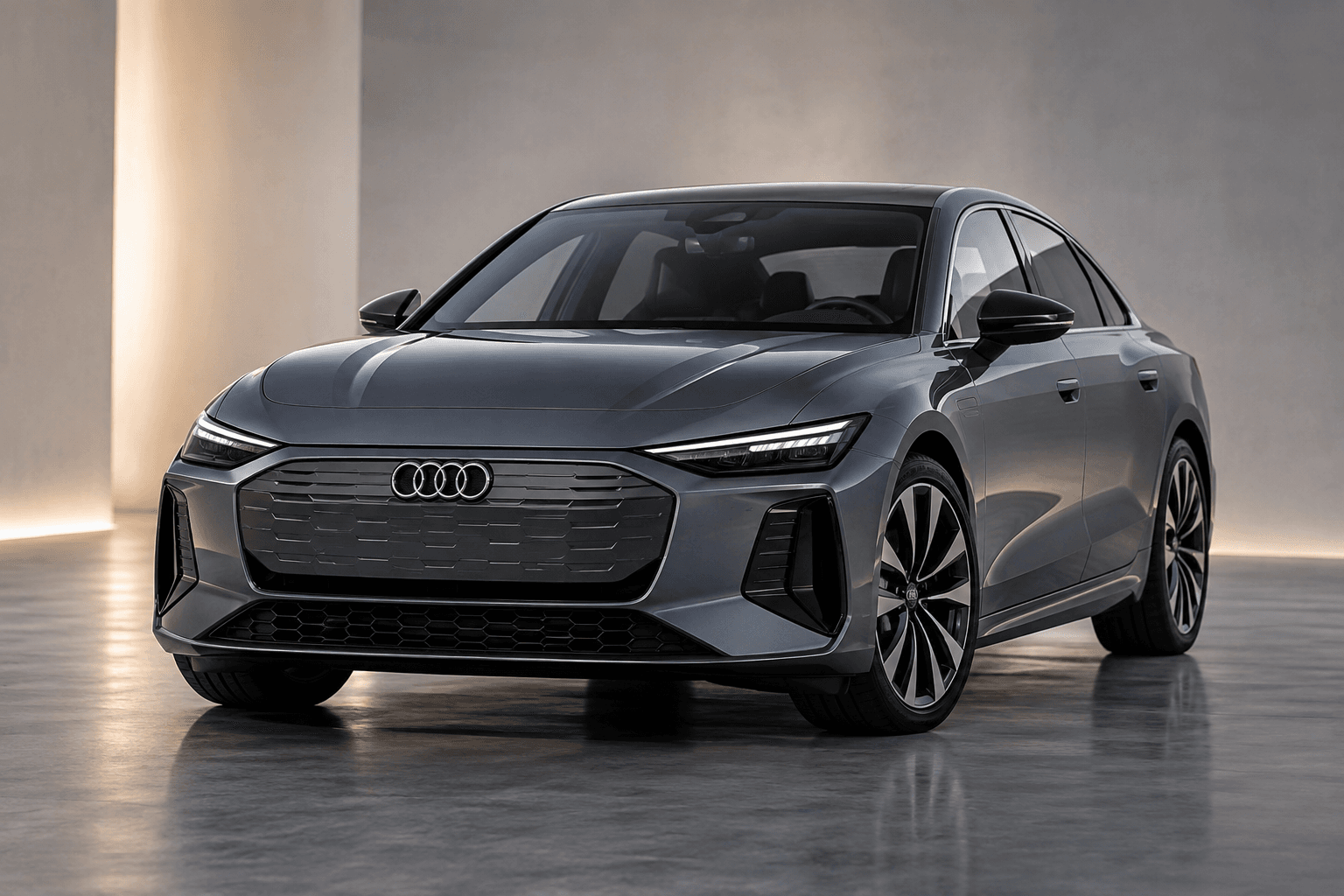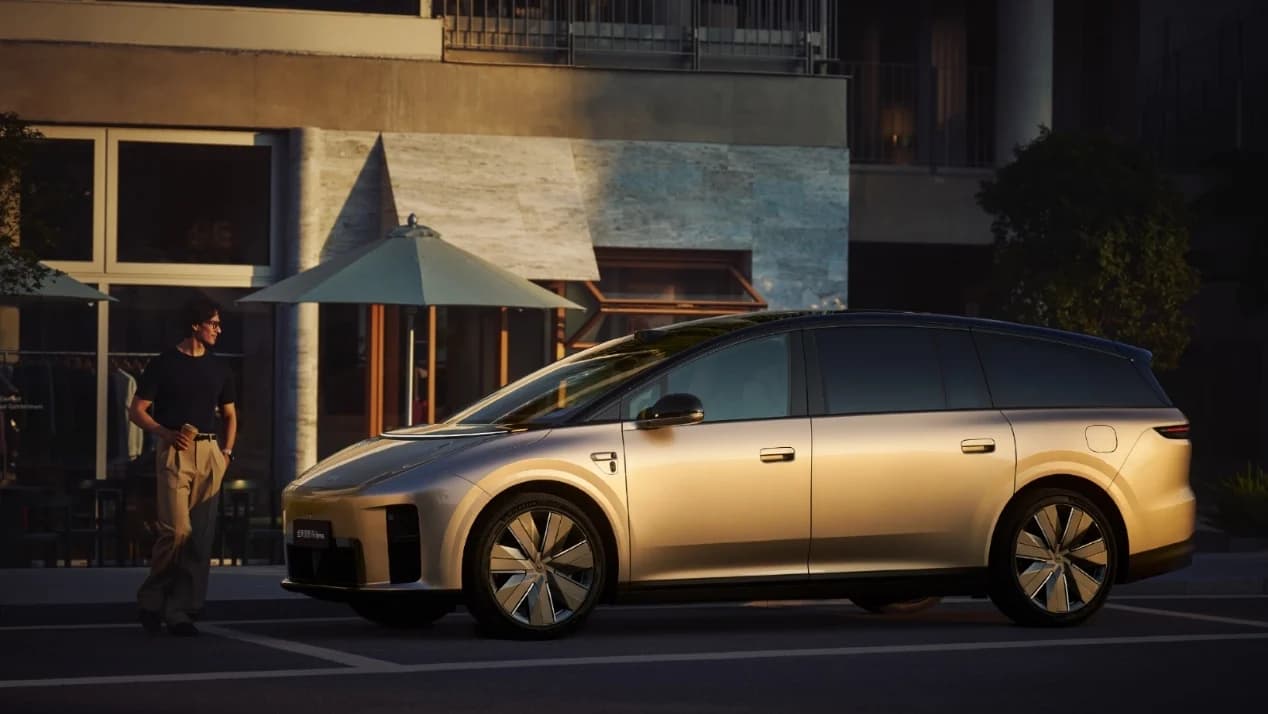
Audi restricts unofficial sales of AUDI
The AUDI brand, developed specifically for China, can now occasionally be seen on German roads. Instead of the familiar four rings, its vehicles feature large AUDI lettering and also differ technically from European Audi models.
AUDI is not currently officially offered in Germany or any other European market. The vehicles already imported come from independent importers. According to recent reports, Audi is now issuing formal cease-and-desist notices—a common pre-litigation measure under German law—to at least one of these sellers, citing a lack of authorization to import and distribute the vehicles.
AUDI and Audi are not the same
AUDI was established jointly with Chinese partner SAIC for the local market. The brand is primarily intended to appeal to younger, digitally focused buyers and deliberately does without the four rings. One of its best-known models is the AUDI E5, which features a distinctive design and extensive software tailored to China.
The AUDI E5 and the larger E7X are also attracting interest in Europe. However, that does not mean they are part of Audi’s regular model range. Neither sales nor servicing are currently handled through Audi’s German dealer network.
What the cease-and-desist notices mean for grey imports
The legal action is initially directed against commercial distribution without the necessary authorization. It does not automatically make a vehicle that has already been registered illegal. For importers, however, the action could mean that they have to remove AUDI models from their offerings and are no longer permitted to market additional vehicles.
With a grey import, an independent seller buys the car in China, transports it to Europe and arranges for it to meet registration requirements. This may involve technical modifications, inspections and individual vehicle approval. The effort involved explains part of the substantial premium over the Chinese list price.
| Area | Official sale | AUDI grey import |
|---|---|---|
| Registration | EU type approval and standard vehicle documents | Depending on the vehicle, through individual approval |
| Charging | Designed for European connectors | Adapter or technical modification required |
| Software | Localized for Europe | Primarily tailored to the Chinese market |
| Service | Support from the official dealer network | Handled mainly through the importer |
| Warranty | Standard manufacturer’s warranty under local market terms | Claims against the importer and seller are crucial |
Registration is not the only risk
The biggest challenge often begins only after the purchase. Chinese online services may have limited functionality in Europe, navigation data may not be suitable for the region and future software updates are not guaranteed. Spare-parts availability also depends heavily on how well equipped and organized the importer is.
Charging presents another issue because the Chinese version is not readily compatible with European infrastructure. A supplied adapter may make it possible to connect the vehicle, but it is no substitute for officially validated European charging equipment. Before signing a contract, buyers should therefore obtain written confirmation of the supported charging rates.
It is equally important to distinguish between the seller’s statutory liability for defects—the German legal warranty—and a manufacturer’s warranty. Anyone buying an imported AUDI cannot automatically assume that repairs can be carried out by any Audi service partner. If the importer disappears → the point of contact, parts supply and handling of warranty claims may become considerably more complicated.
A European launch has still not been announced
An official market launch for AUDI in Germany, Austria or Switzerland has not yet been confirmed. Audi’s currently known electric vehicle plans for Europe focus on models bearing the four rings. For now, the Chinese brand is pursuing its own strategy.
The action against unauthorized dealers is therefore understandable. Audi is protecting its trademark rights, distribution structures and control over which vehicles are sold and under what conditions. The AUDI E5 remains fascinating for prospective buyers, but as a grey import it is better suited to those who knowingly accept unconventional technical and legal arrangements.