Collective bargaining comes as the automotive industry undergoes a major transformation
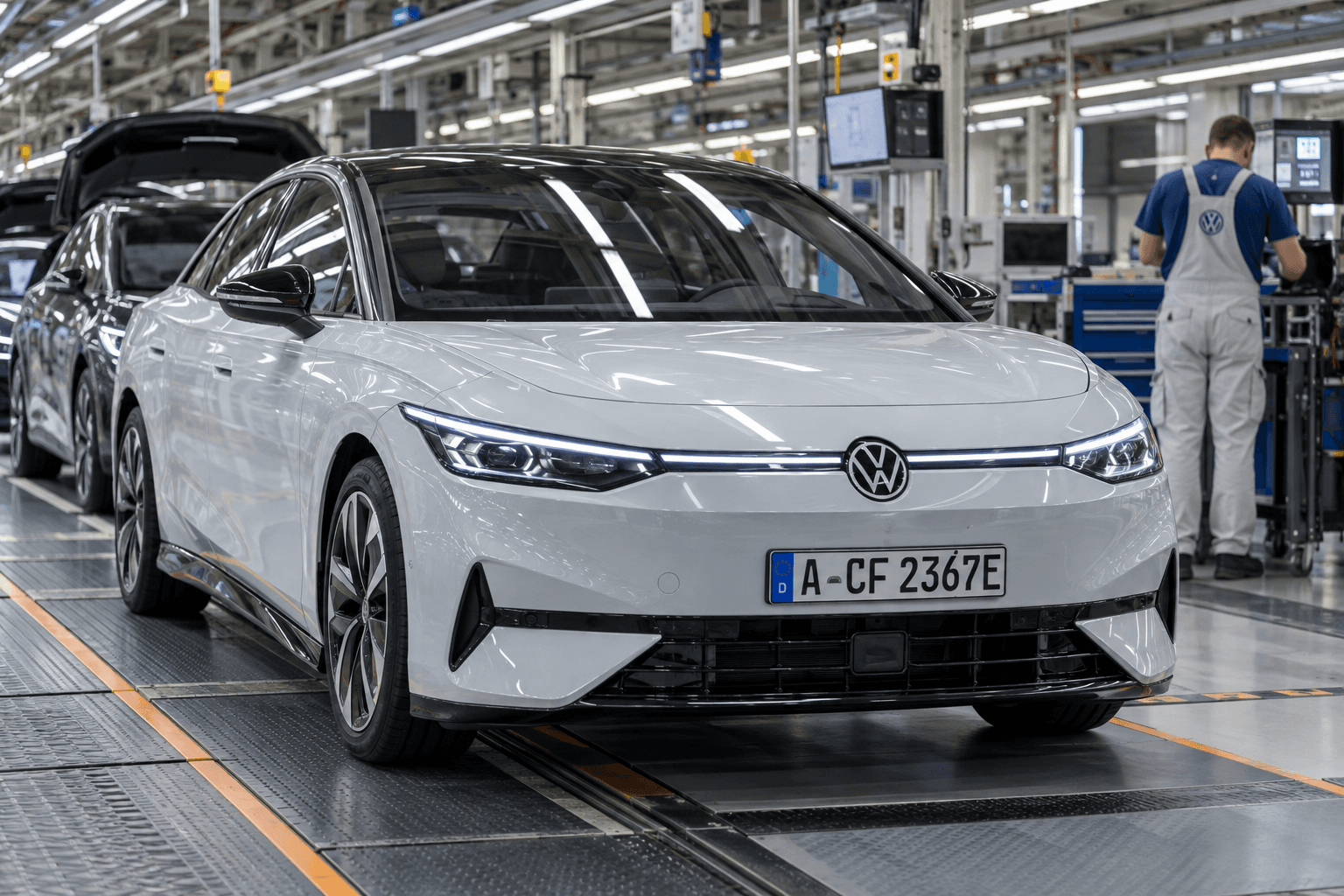
Germany’s automotive industry is heading into a particularly contentious round of collective bargaining. Job cuts, potential plant closures and the relocation of production are colliding with employees’ demands to safeguard domestic sites and retain the 35-hour working week.
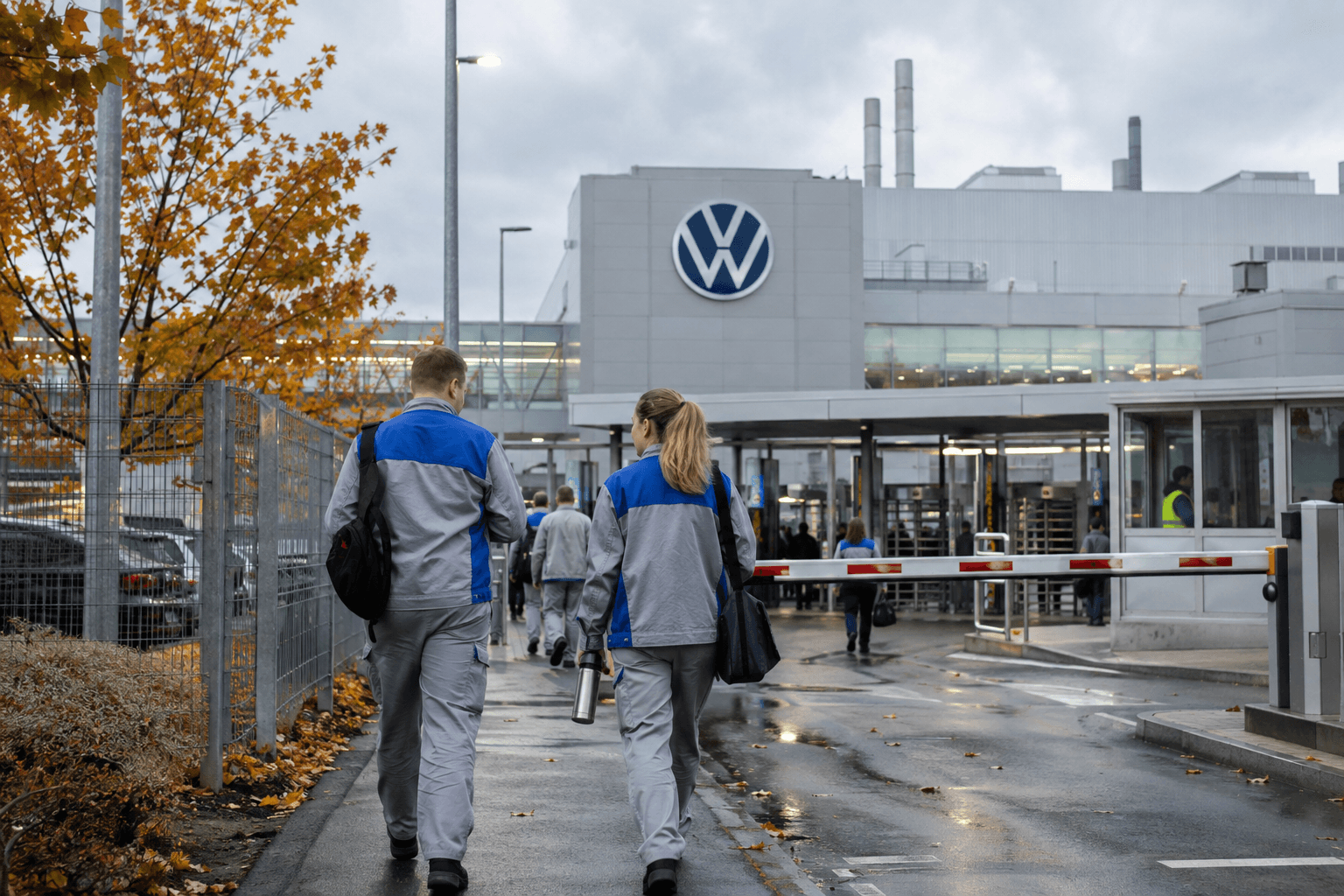
At a nationwide day of action, IG Metall, Germany’s metalworkers’ union, said it mobilized around 175,000 employees at approximately 280 sites. The union is calling on automotive groups to invest more in new models, technologies and German plants rather than responding to cost pressures primarily by cutting jobs.
At its core, the dispute is not just about wages, but about how much industrial value creation will remain in Germany after the transition to electric vehicles.
Employers point to high domestic operating costs
In response, the German Association of the Automotive Industry is calling for unions and workforces to show greater willingness to change. Labor costs are seen as a key disadvantage: One hour of labor in Germany’s automotive industry costs just under €65, compared with around €24 in the Czech Republic and approximately €18 in Poland.
However, such comparisons do not provide the full picture. In addition to wage levels, productivity, automation, energy prices, logistics, qualifications and regulatory costs are also crucial. A German site can remain competitive despite higher labor costs if capacity utilization and value creation are strong.
| Metric | First half of 2026 |
|---|---|
| Employees in Germany’s automotive industry | 691,500 |
| Operating profit of VW, BMW and Mercedes | €13 billion |
| Change in operating profit | down 19% |
| Revenue of the three German manufacturers | €284 billion |
| Change in revenue | down 2.9% |
At midyear, employment stood at 691,500, its lowest level since comparable records began in 2005. As several manufacturers and suppliers have already announced cost-cutting programs, pressure on employment is likely to persist for the time being.
China, tariffs and electric mobility intensify the pressure
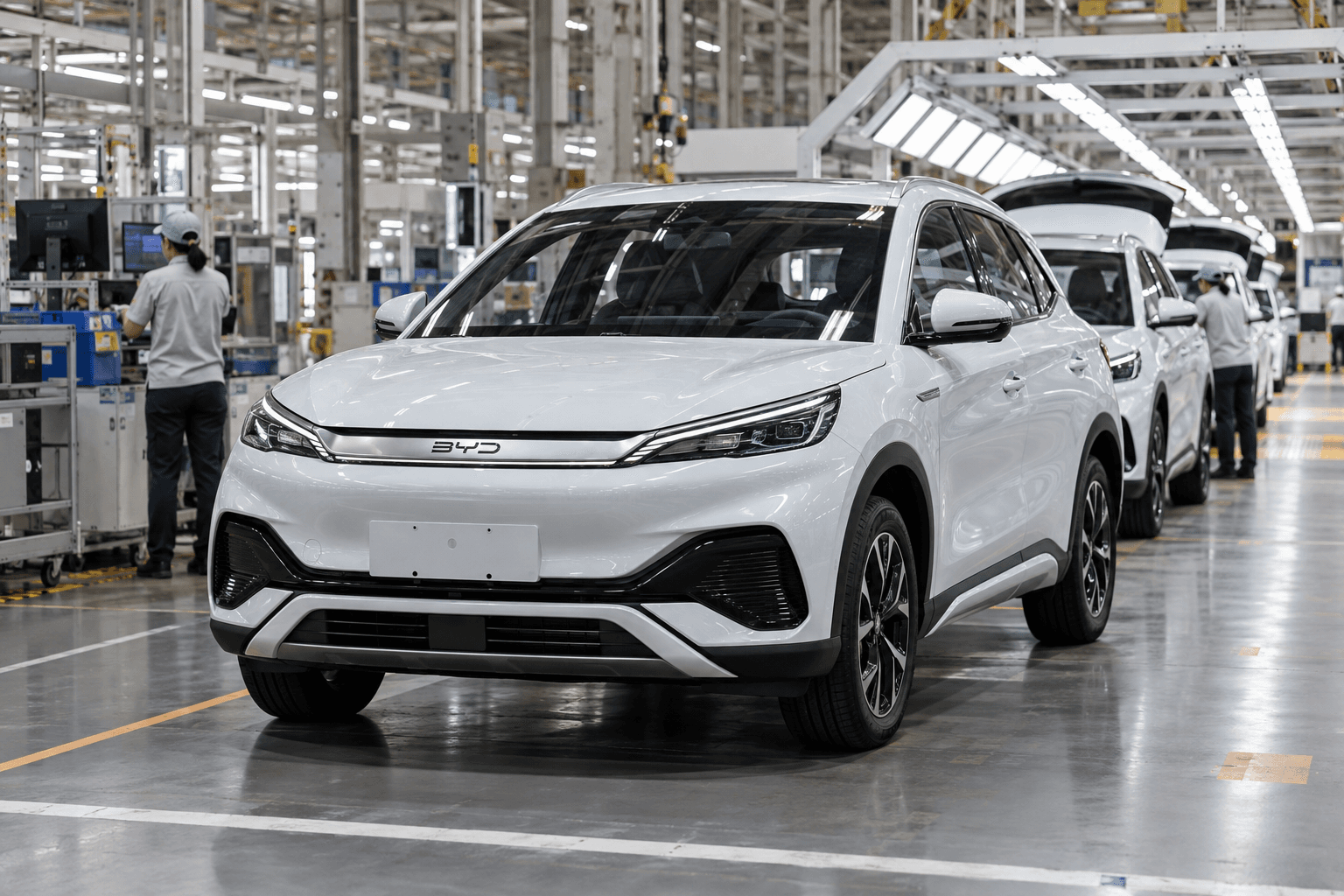
The crisis does not have a single cause. German manufacturers are struggling with weaker business in China, aggressive price competition from local brands and additional pressure from U.S. tariffs. At the same time, Europe’s electric vehicle market is growing, but the EV boom in Europe is not reaching every plant and model range at the same pace.
There is also a structural effect: Electric vehicles require fewer mechanical components than combustion-engine vehicles. Engine manufacturing, exhaust systems and complex transmissions are becoming less important, causing individual production processes and parts of the traditional supply chain to shrink.
However, this does not automatically mean that electric mobility creates less industrial employment overall. Battery production, power electronics, software, charging infrastructure and recycling are opening up new fields. The crucial question is whether this value creation will be established in Germany and Europe, as with the production of new BMW electric powertrains.
IG Metall calls for investment instead of longer working hours
IG Metall opposes changes to the 35-hour working week, collective bargaining agreements and employee participation in company decisions. It is calling on policymakers to provide affordable energy, reliable investment conditions, support for suppliers undergoing transformation and a European industrial strategy based on the principle of Made in EU.
Employers counter that plants can survive only with competitive costs and sufficient capacity utilization. In their view, if necessary adjustments are not made, there is a greater risk that new production projects will be awarded to lower-cost locations.
Warning strikes could begin in November
Negotiations with employers are due to begin on October 7, 2026. The collective bargaining agreements covering around 3.7 million employees in the metal and electrical industries expire on October 31, after which warning strikes—short, limited walkouts intended to increase pressure during negotiations—will be possible.
For employees, far more is at stake than the next collective bargaining agreement. The negotiations will also indirectly address investment commitments, the future of production sites and how the costs of the transformation will be shared. Buyers should not expect isolated warning strikes to cause immediate price increases, although prolonged industrial action could delay production and deliveries.
Volkswagen is negotiating separately over a company-specific collective agreement that expires at the end of the year. Several disputes could therefore escalate in parallel while manufacturers and suppliers are already facing intense cost pressure.