Xiaomi wants to help develop the battery, not just buy it
Xiaomi is taking the approach typical of a technology company when it comes to EV technology: relying less on suppliers and gaining more control over key components. After developing its own chips, the company is now turning its attention to the battery. Specifically, Xiaomi no longer wants simply to buy complete battery packs, but to establish itself firmly in the process as a development and specification partner.
The result is set to be a new battery line called Xiaomi Longjia. To this end, Xiaomi has signed strategic agreements with partners from the cell and battery industry. Importantly, this does not initially mean that Xiaomi will manufacture batteries entirely on its own. Instead, it wants to help determine the technological direction and quality criteria.
Longjia battery: Partnership with CALB and Sunwoda
Xiaomi is working with CALB and Sunwoda Power on the Longjia battery. This arrangement is typical of new battery programs: one company defines the targets and architecture, while experienced cell and pack specialists provide the expertise and production capacity needed for implementation.
Above all, Xiaomi wants to retain control over specifications, design and development. This also includes areas such as cell design and supply chain monitoring. The latter in particular is a major lever in practice, as battery quality, availability and cost are closely linked to raw materials, process stability and supplier audits.
What customers stand to gain: Safety and warranty take priority
The positioning is noteworthy: In the short term, Xiaomi does not appear to be promising any “miracle figures” that would immediately translate into a leap in range or charging speed. Instead, the company is emphasizing high safety standards and strong warranty commitments. This could mean that Xiaomi is designing the battery to be particularly resistant to thermal stress, operate more conservatively or prioritize long-term stability.
That could offer a tangible advantage in everyday use: a lower risk of unexpected degradation, clearer warranty coverage and potentially more consistent performance over many miles. Whether this will eventually produce measurable benefits in areas such as fast charging or efficiency remains to be seen until detailed technical specifications are published.
Debut in the SkyNomad, with Europe becoming a priority from 2027
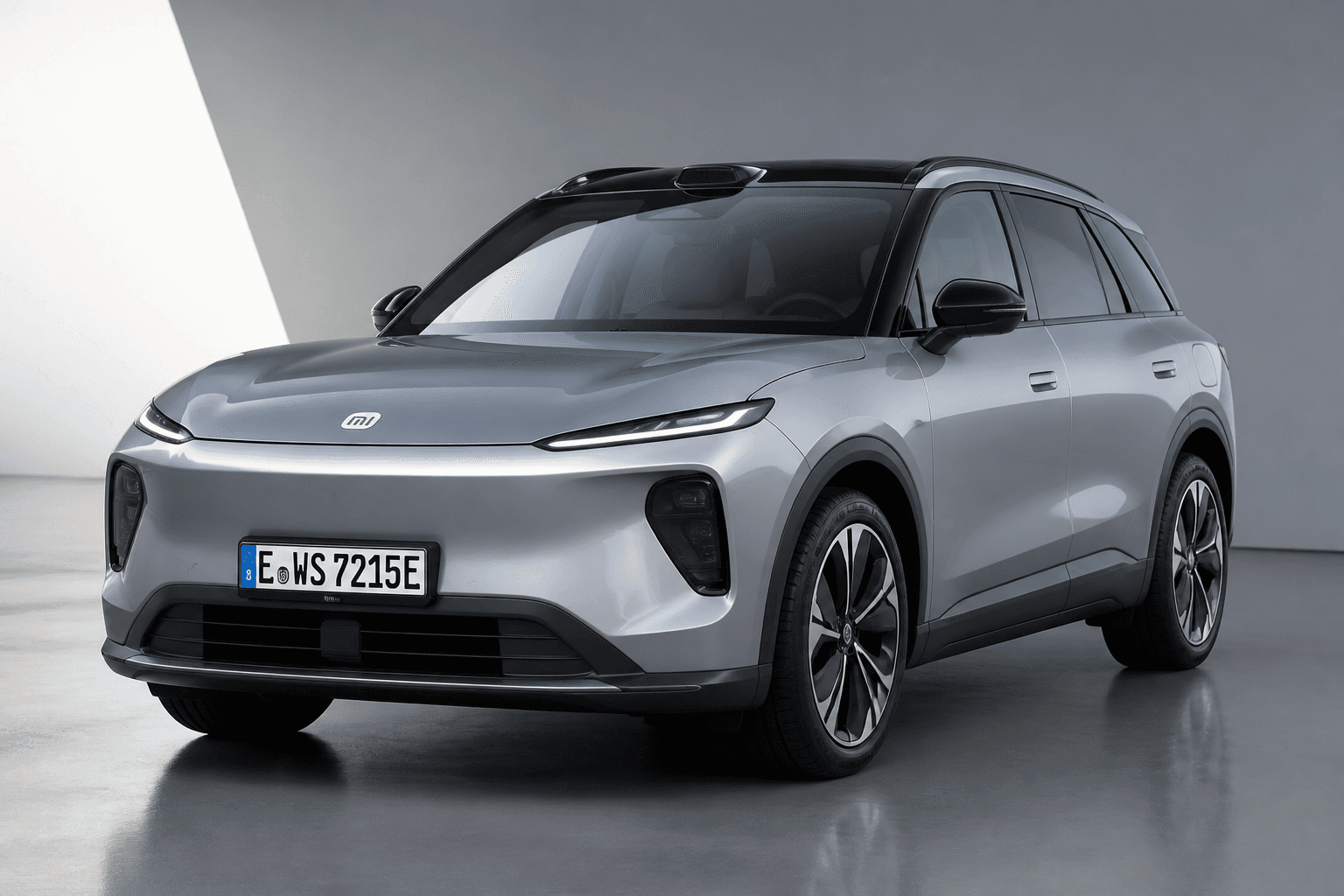
The Longjia battery is set to be used for the first time in new SkyNomad vehicles. This will allow Xiaomi to gather real-world data, which is crucial for a new battery architecture. Issues such as thermal management, aging under different load profiles and the robustness of the entire monitoring system only become apparent in real-world operation.
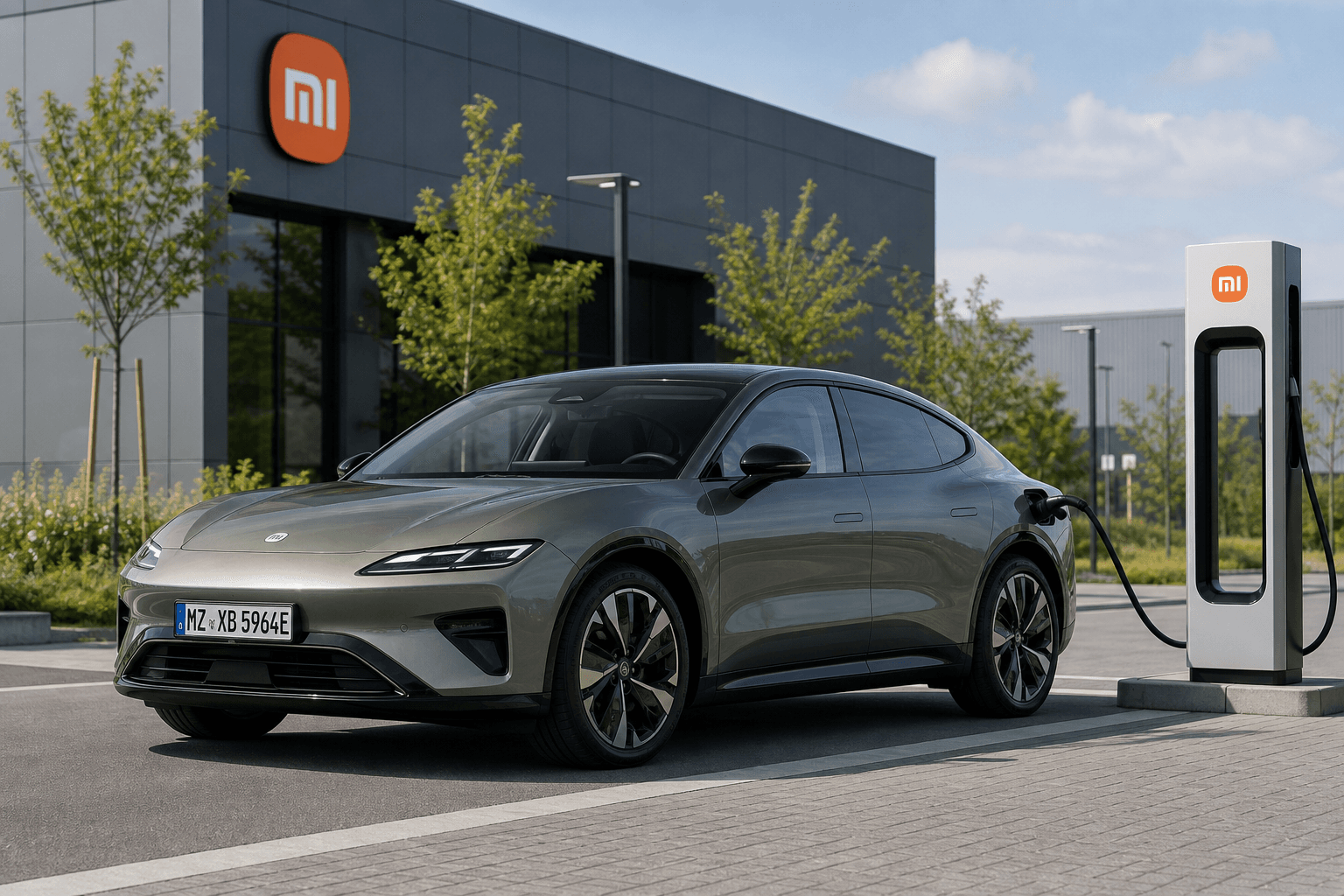
At the same time, Xiaomi is building its sales network. A broader market launch in Germany and Europe is planned from 2027. This is relevant to the DACH region—Germany, Austria and Switzerland—because Xiaomi is not planning to enter merely as a niche importer, but is systematically preparing dealership and service partnerships.
Analysis: Why batteries are the decisive lever for new EV brands
Anyone involved in battery development can influence virtually everything that defines an EV: its cost structure, charging behavior, power delivery, thermal performance and warranty risk. That is precisely why not only established automakers but also new players are investing in their own battery programs. The market also shows just how strongly battery chemistry and architecture shape development, as illustrated by the current trend toward LFP batteries.
For a closer look at how such decisions affect the market in practice, it is worth examining battery market trends: China’s battery market: LFP reaches 84.6% and squeezes NMC.
What this means for Tesla and the wider market
As more manufacturers define their batteries largely “in-house,” they increase both the pressure to innovate and the ability to compare different products. Tesla has been setting the pace in this area for years because it established extensive control over its cell and pack strategy, software and supply chains at an early stage. Xiaomi’s move is therefore less an attack on individual brands and more a signal that new EV manufacturers want to gain access to the same strategic levers as quickly as possible.
Ultimately, what will matter in everyday use is whether Xiaomi combines its promised safety and warranty standards with a well-executed service and spare-parts strategy in Europe. After all, a good battery concept only has real value if it is supported reliably for years.