Zwickau Needs Clarity as VW Announces Visit by Senior Management
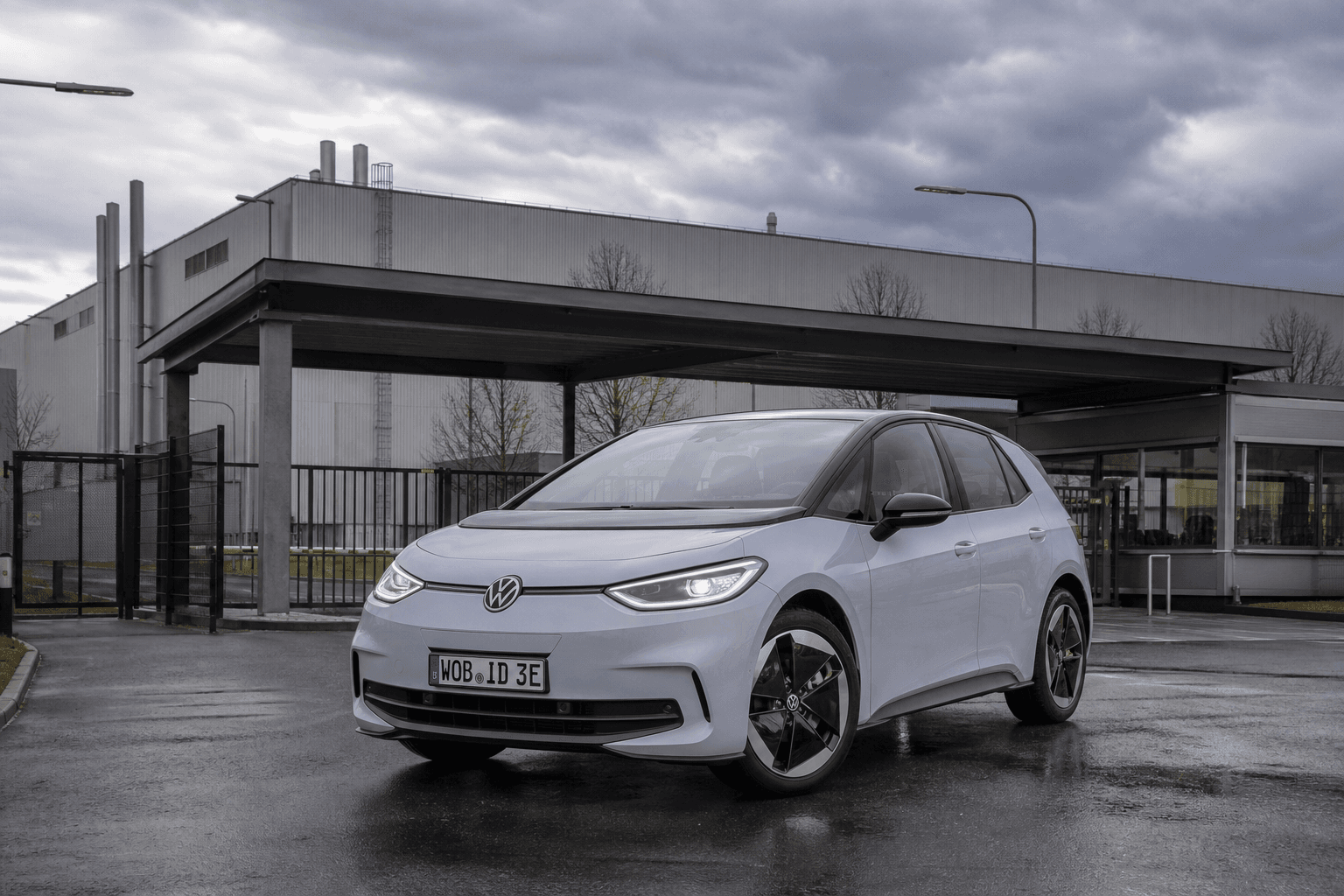
Over the past twelve months, Volkswagen has launched several new models in China, some of which could also be of interest in Europe. At the same time, some plants in Germany are operating below capacity, which has suddenly made production and model allocation a pressing issue again. The Zwickau plant is a particular focus. It began as an early flagship project for electric vehicles but is now struggling with low capacity utilization.
For employees, one thing matters above all: a reliable plan rather than broad statements of intent. The group CEO is scheduled to appear at several plants next week, including Wolfsburg, Emden and Zwickau. In practice, this is raising expectations that VW will not merely describe the situation but provide a concrete outlook for its sites and models.
Why China-Developed Models Have Suddenly Become an Attractive Option for VW in Europe
The essence of the debate is simple: VW has brought many new products to market in China within a short period, while the European market overall has proved more sluggish than hoped. If a plant has spare capacity, it makes sense to use existing vehicles or vehicle concepts to generate additional volume. Whether these actually become European versions, however, is not simply a matter of willingness. It depends on homologation, supply chains, cost structures and positioning within the existing portfolio.
There is also a macroeconomic dimension: the automotive market has changed structurally since the pandemic, and sales volumes have declined in many segments. This affects all manufacturers, but it is more noticeable at Europe’s largest automaker. VW’s successes with electric cars do not contradict this, because even a growing share of EVs does not automatically translate into enough vehicles in absolute terms to keep every factory operating at optimal capacity.
Which Options Are Realistic and What They Would Mean for Buyers
From today’s perspective, two approaches are being discussed. First, VW could produce its own China-developed models for Europe in Germany. Second, VW could make greater use of sites such as Zwickau as a platform for partnerships, for example by manufacturing vehicles for partners or producing jointly developed vehicles.
Importantly, this is not a choice between "Europe" and "China," but primarily a question of speed and economic viability. For customers in the DACH region—Germany, Austria and Switzerland—locally produced vehicles would generally be an advantage in terms of delivery times and potentially price stability, as logistics requirements and dependencies would be reduced. On the other hand, VW must ensure that new models do not cannibalize existing ones, particularly in the compact segment, where expectations regarding price and range are especially demanding.
Potential Benefits for Europe
- Better plant capacity utilization in Germany, helping to safeguard jobs and industrial expertise
- A faster model rollout if existing platforms and development work can be used
- More competition in the price segments where buyers are currently particularly sensitive
Potential Obstacles and Risks
- Homologation and software adaptations for EU requirements could take time
- Portfolio conflicts with existing MEB and MEB+ models if positioning is not clearly defined
- Political and regulatory decisions could change the operating environment at short notice
Analysis: What This Means for the EV Market as a Whole
The discussion surrounding Zwickau also reflects the state of the European EV market: demand is growing, but not evenly, and manufacturers must continually adjust their model mix, prices and capacity. This is precisely why new platforms, more affordable entry-level models and more efficient production are becoming increasingly important.
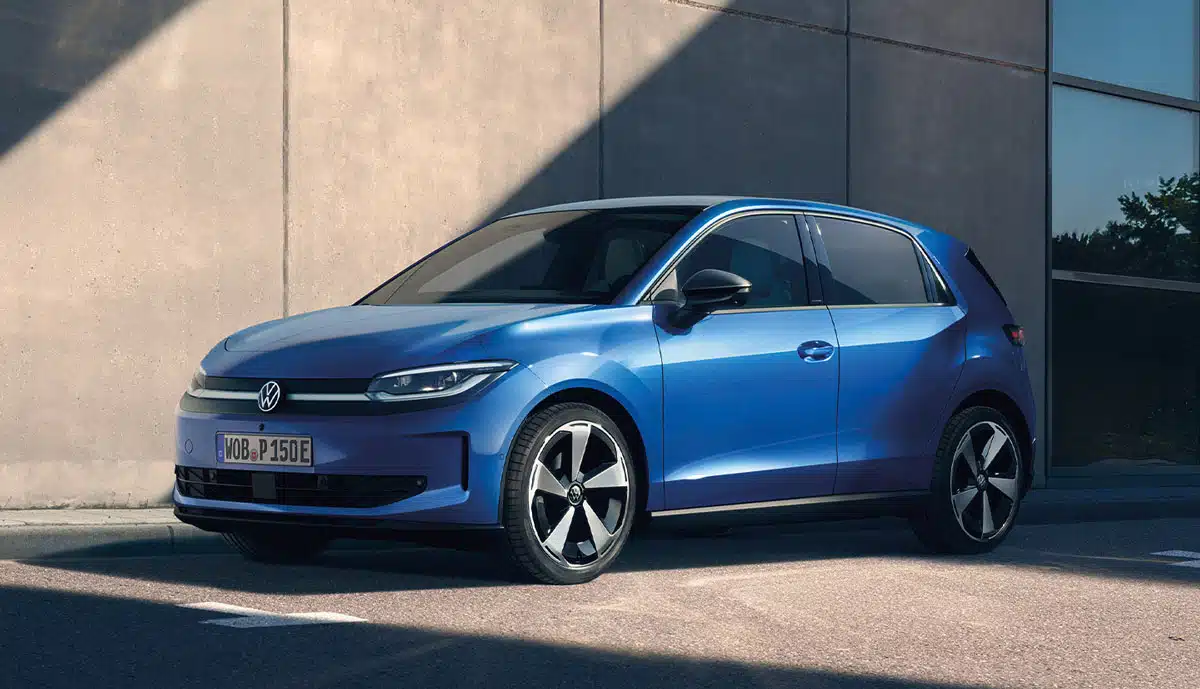
Those who want to see how much pressure the group is already under can find more background on plants and jobs in our article about VW under pressure as the works council takes a confrontational stance. And because achieving affordable production volumes is crucial for the new entry-level EVs, it is also worth looking at the VW Group’s new small electric cars, which have received more than 70,000 orders.
What We Should Expect from Next Week’s Announcement
If VW takes expectations in Zwickau and at its other plants seriously, it must provide measurable details: which models, what timeline, which investments and how much capacity. Anything else would be difficult to sustain from a communications perspective. At the same time, expectations should remain realistic: even with a clear "go-ahead," production transfers and new manufacturing launches cannot happen overnight.
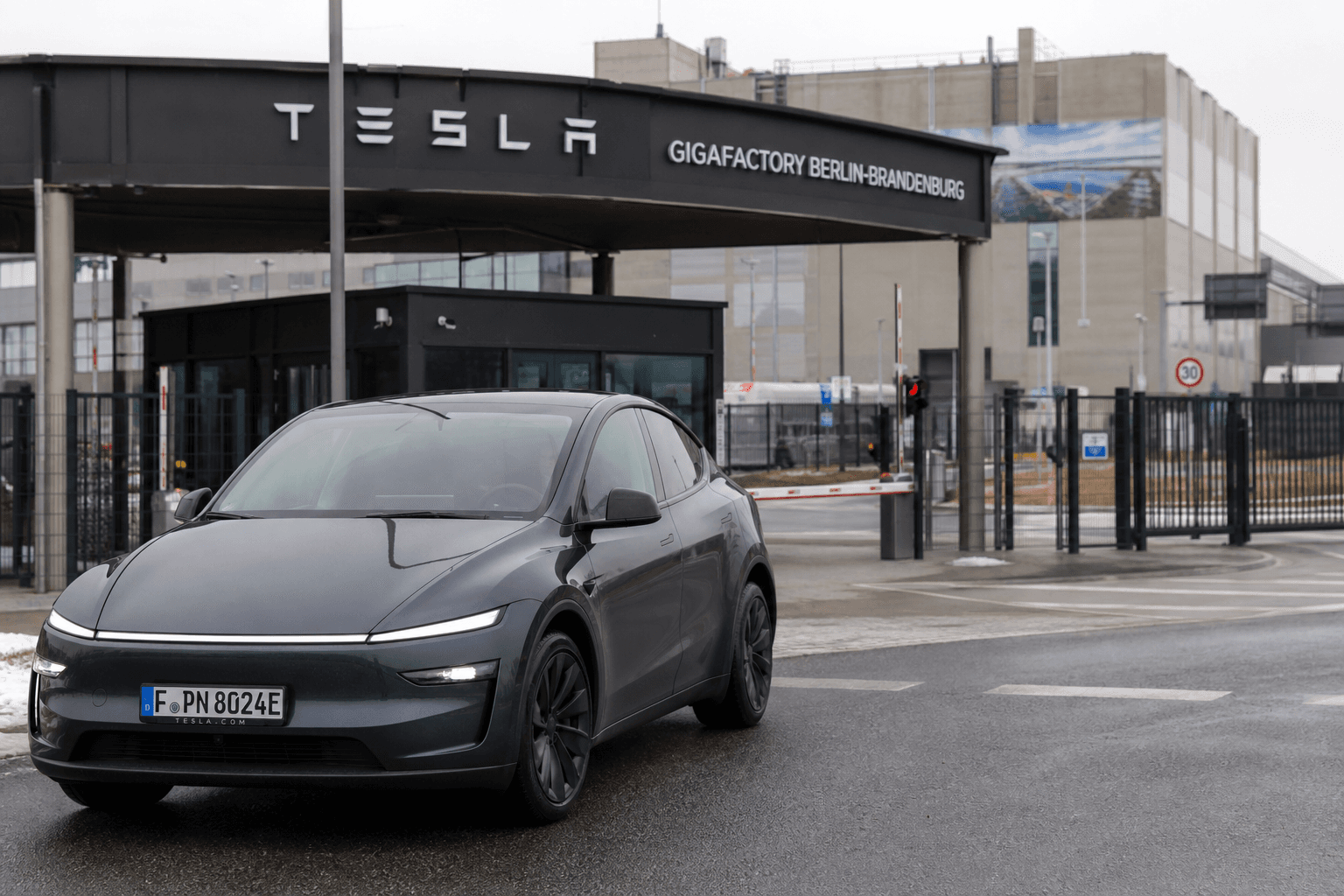
It will also be interesting to see how the decision affects VW’s model strategy. In the compact segment and the SUV market in particular, VW faces direct competition in Europe from Tesla and numerous Chinese brands. Those looking for an overview of the electric compact SUV market can find it in our guide to electric compact SUVs in Germany in 2026.