VW Responds to Stronger EV Demand
Volkswagen is revising its production plans for 2026. Because demand for battery-electric models in Germany and other European markets is rising more strongly than expected, more electric cars are set to roll off the production lines in Emden and Zwickau.
In return, planned extra shifts at the company’s main Wolfsburg plant, which has so far focused on combustion-engine vehicles, are likely to be canceled. Instead of more than 600,000 vehicles, Wolfsburg is therefore expected to produce roughly the previous year’s total of 580,000 units.
Rising orders for electric cars are creating more work at EV plants, while production of combustion-engine vehicles is weakening.
Emden Gets Extra Shifts for the ID.7
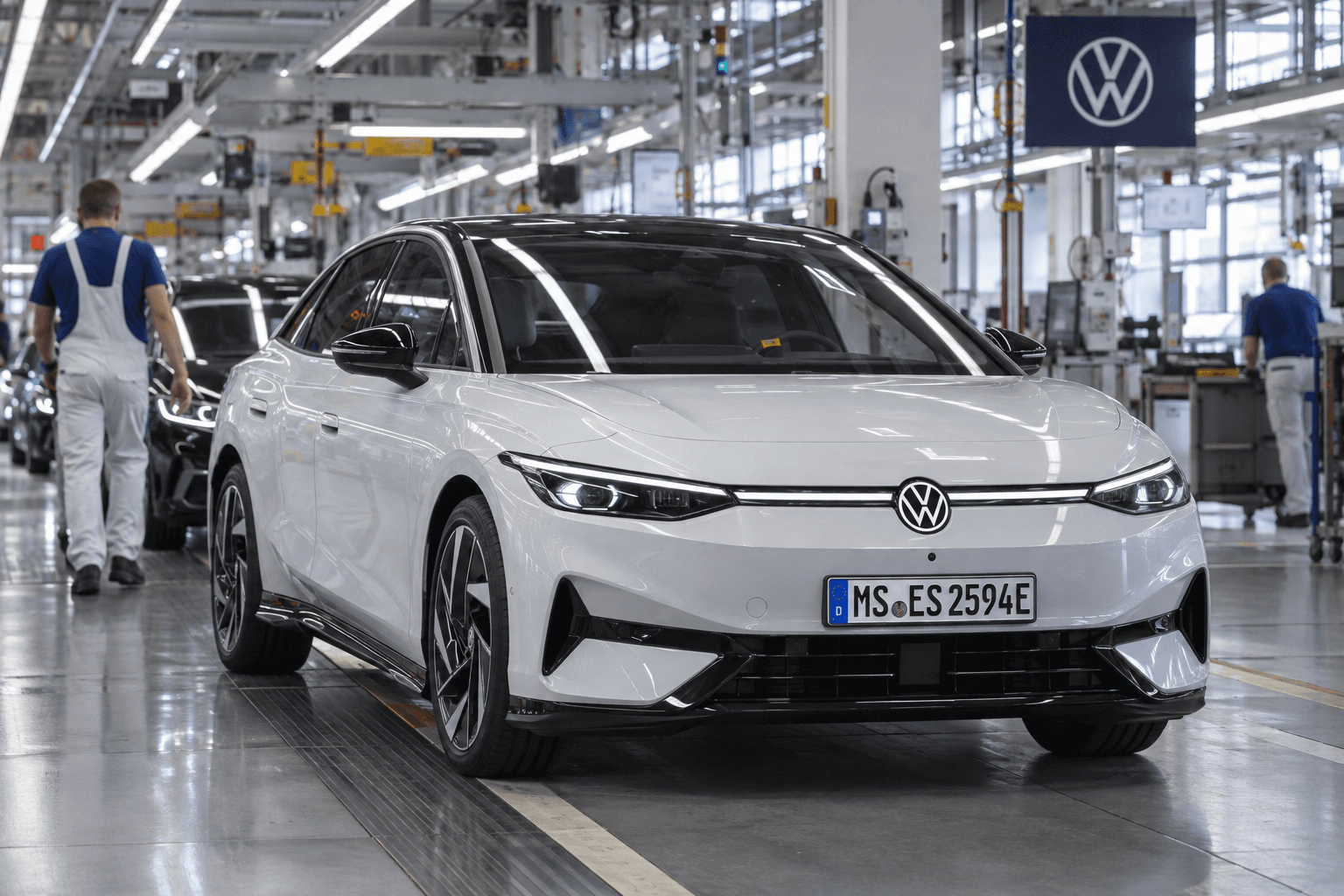
At least two extra shifts are planned for the VW ID.7 at the Emden plant. The electric sedan and the ID.7 Tourer are thus becoming key contributors to capacity utilization at the site.
The planned ID. Tiguan could provide an additional boost. The electric compact SUV is intended to replace the current ID.4 at the plant and will feature a new design and upgraded MEB technology. Our overview of the VW ID. Tiguan with MEB+ shows what is known about the model so far.
Zwickau Benefits From the New ID.3
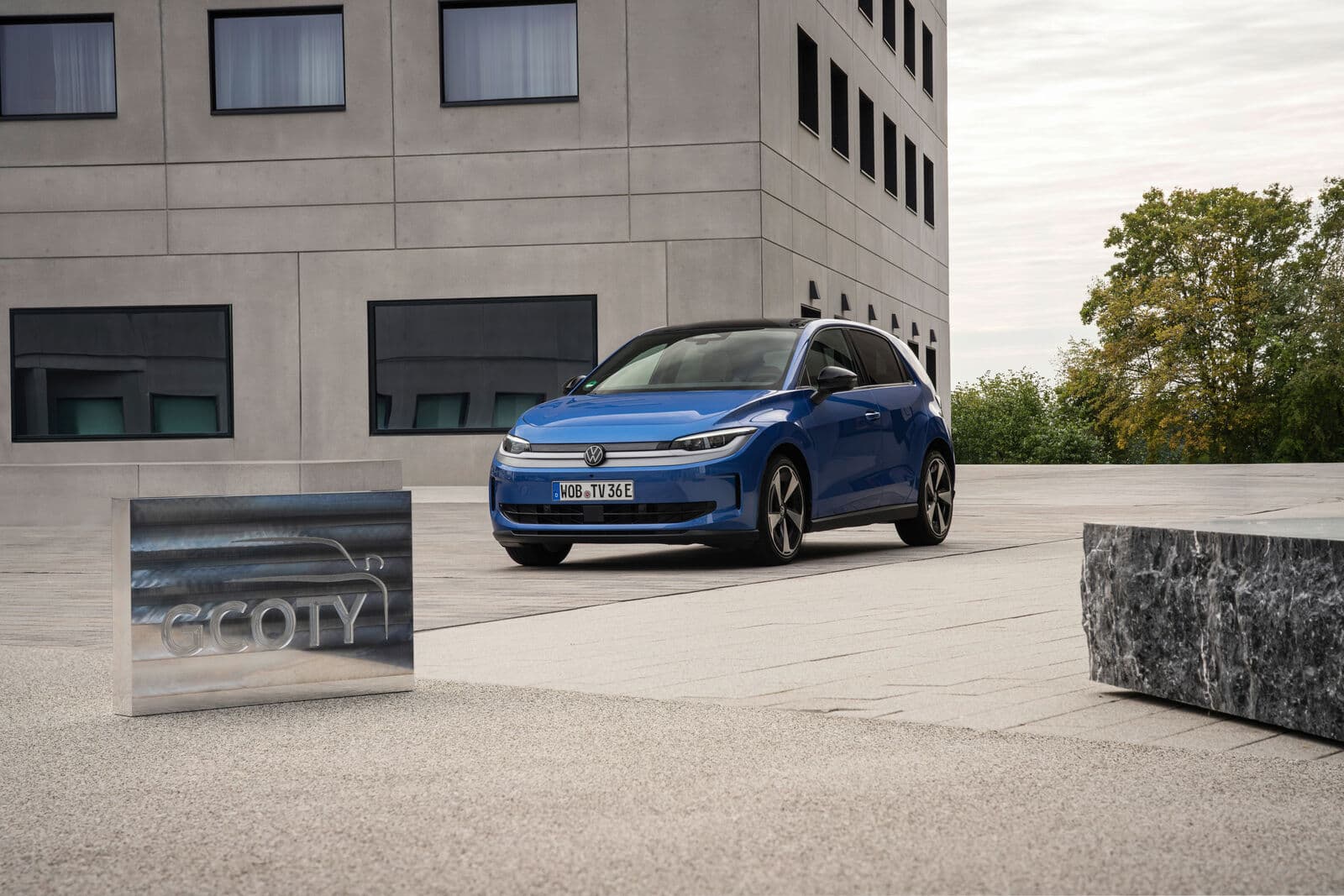
The Zwickau electric car plant is also set to see improved capacity utilization. One important factor is the stronger order situation for the revised VW ID.3, which is sometimes referred to internally and in early reports as the ID.3 Neo.
Zwickau also builds the Audi Q4 e-tron, including its Sportback variant, and the Cupra Born. Production of the ID.4 is expected to move to Emden with the model changeover, while the less popular ID.5 will be discontinued.
| Plant | Current Development | Key Models |
|---|---|---|
| Emden | At least two additional shifts planned | ID.7, ID. Tiguan in the future |
| Zwickau | Improved capacity utilization due to rising orders | ID.3, Audi Q4 e-tron, Cupra Born |
| Wolfsburg | Planned extra shifts likely to be canceled | Still primarily combustion-engine vehicles |
Strategy Shift After Previous Capacity Cuts
The adjustment is notable because Volkswagen had reduced capacity in Emden and Zwickau only a few months earlier. Both sites switched from two production lines each to one line operating two shifts in order to reduce excess capacity.
Planning is now moving in the opposite direction again. However, this does not yet mean a complete return to previous utilization levels. For now, the additional shifts show that Volkswagen is responding in the short term to an improved order situation.
New Entry-Level Models Meet a Growing Market
Alongside the ID.3 and ID. Tiguan, the so-called Urban Electric Car Family is intended to boost EV sales. It includes the VW ID. Polo, Cupra Raval, Skoda Epiq, and VW ID. Cross, which are based on the upgraded MEB+ platform and will be produced in Spain.
More than 100,000 preorders are now said to have been placed for the four models, including over 40,000 for the electric Polo. These figures underscore the interest in more affordable electric cars, but they still need to translate into binding orders, deliveries, and stable production volumes.
More Electric Cars Do Not Yet Solve the Margin Problem
Measured by incoming orders, Volkswagen currently appears to be selling more fully electric cars than combustion-engine vehicles in Germany. High fuel prices, a broader model range, and more attractive leasing offers are likely supporting this shift.
Nevertheless, the group still faces an economic challenge: Comparable electric cars currently often generate less profit than combustion-engine vehicles. Higher volumes improve plant utilization, but only lower battery and production costs can increase profitability over the long term.
For Emden and Zwickau, the new plans are initially a positive signal. Whether they will secure the sites over the long term depends on demand remaining high and Volkswagen also being able to produce its electric cars more profitably.