VW Launches a New Mission for Maximum Efficiency
Volkswagen is preparing an electric concept vehicle focused not on performance or battery size, but on achieving the lowest possible energy consumption. On September 14, the so-called Mission Efficiency is set to demonstrate the potential of consistently optimized technology during a drive from Wolfsburg to Vienna.
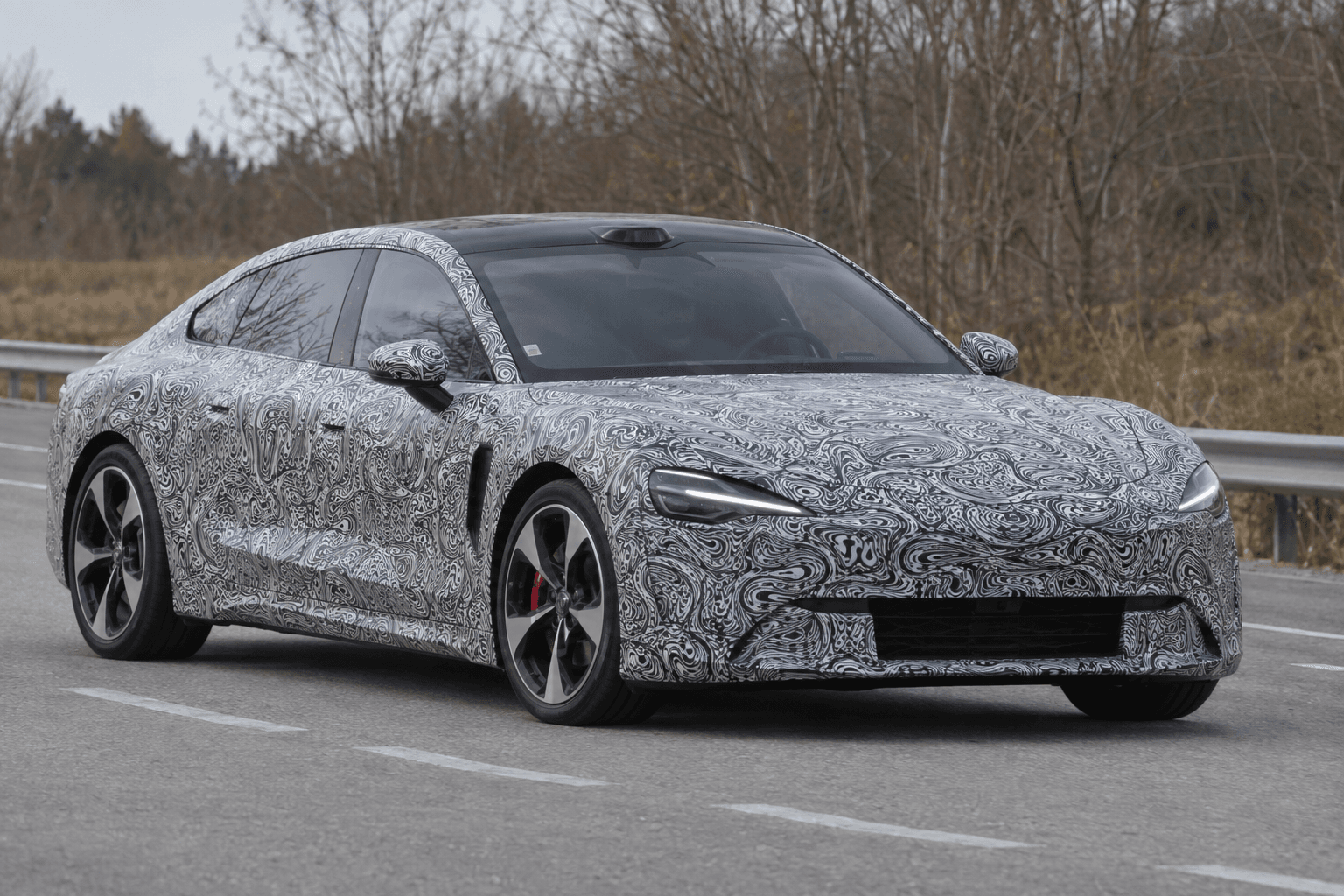
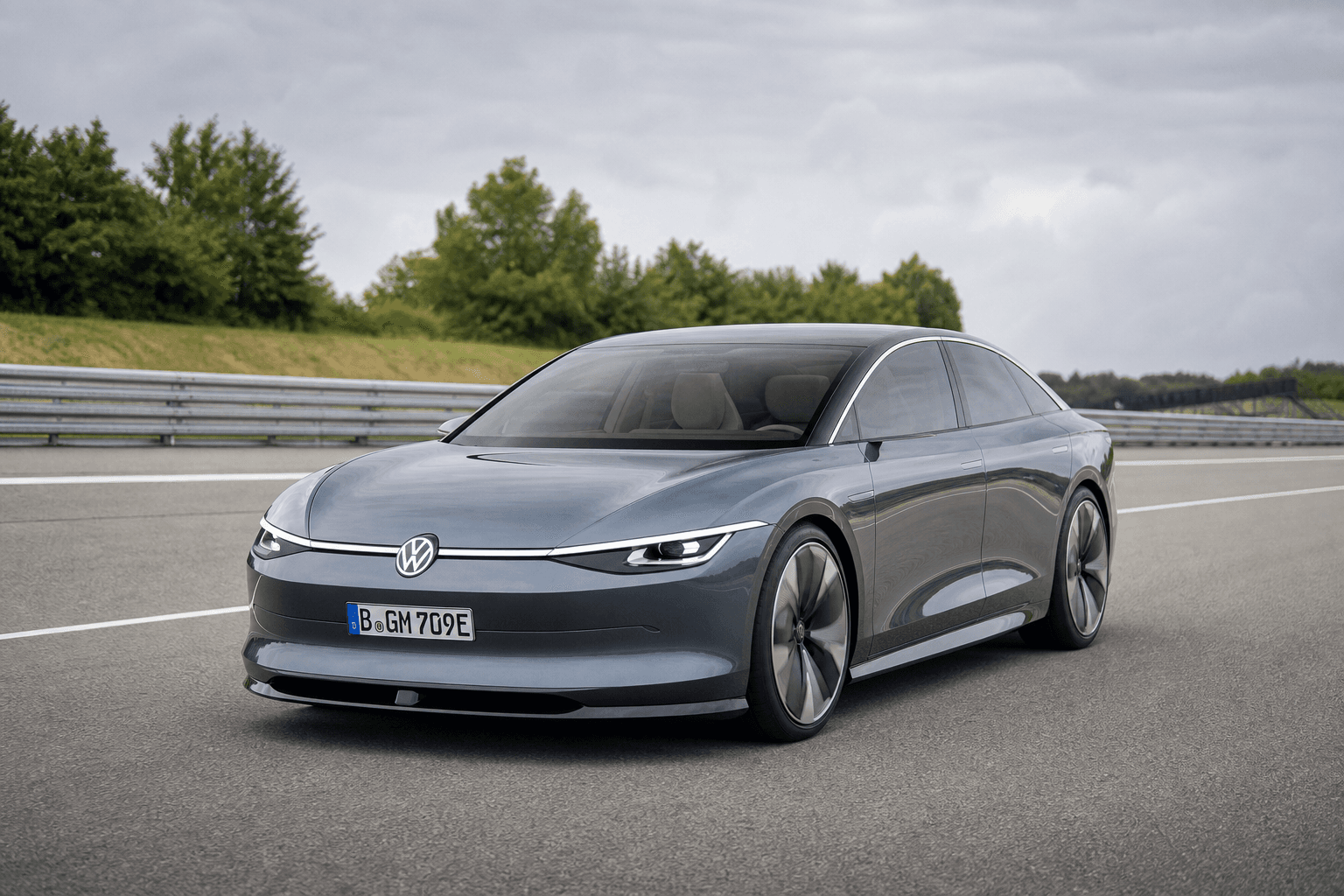
The first teasers reveal a very low-slung, two-door sedan with partially covered rear wheels. This design reduces air turbulence and is likely to play a crucial role in keeping energy consumption low. However, VW has not yet disclosed a specific consumption figure, battery capacity, or range.
The key question is not just how many kilometers the concept can cover, but how little energy it needs to complete the journey.
Near-Production Components Instead of Pure Record-Breaking Technology
Volkswagen describes the vehicle as fully functional and suitable for everyday use. Most of its components are said to already come from series production. This distinguishes the project from extreme record-breaking vehicles that only work under strictly controlled conditions.
Nevertheless, the concept does not appear entirely production-ready. Its low body, two-door layout, and covered rear wheels are uncompromisingly designed for aerodynamics. Whether it will eventually lead to a specific model or whether individual solutions will find their way into vehicles such as the VW ID.7 remains unclear.
Why Low Energy Consumption Matters More Than a Huge Battery
In principle, greater range can be achieved with a larger battery. However, this increases weight, costs, and resource consumption. A more efficient body reverses this logic: less aerodynamic drag → lower energy consumption → greater range with the same battery capacity.
Aerodynamics play a particularly important role on highways because drag increases sharply as speed rises. A low front end, smooth underbody, narrow wheels, and aerodynamically optimized rear can therefore have a greater impact than adding extra kilowatt-hours of battery capacity.
The benefits would be immediately noticeable in everyday use. An efficient electric car requires less charging power, lowers energy costs, and can deliver practical long-distance range even with a smaller battery. The VW ID.3 after 220,000 km also demonstrates that modern batteries can be highly durable.
The Record Attempt Must Truly Reflect Everyday Driving
Depending on the route, the journey between Wolfsburg and Vienna is likely to cover around 780 km. Volkswagen has not yet officially confirmed whether it intends to complete the entire distance on a single battery charge. Details about average speed, weather, climate control, and the remaining battery capacity at the destination are also unavailable.
These conditions are precisely what will determine how meaningful the trial is. Driving slowly without air conditioning can produce impressive range figures, but it only partially reflects a normal journey. For a reliable comparison, speed, outside temperature, cabin comfort, and energy consumption should be documented transparently.
The issue addresses an important aspect of current electric vehicle development. High WLTP figures—the standardized European vehicle efficiency and range ratings—help with purchasing decisions, but on long journeys, energy consumption and charging speed matter most. Readers who want to better assess range claims can find the key influencing factors in the guide to EV range anxiety.
Mission Efficiency Could Provide Technology for Future VW Models
Even if the concept is unlikely to enter series production in this form, it can serve as a rolling development laboratory. Aerodynamic solutions, more efficient powertrain software, and better-calibrated thermal management can gradually be transferred to conventional electric cars.
Volkswagen’s approach is therefore more relevant than a simple record figure. If the drive succeeds under transparent, everyday conditions, the project could demonstrate that the next major leap in range does not necessarily require an ever-larger battery.