Toyota wants to simplify vehicle equipment
Toyota plans to significantly streamline its previously complex range of trim and equipment variants. Components and options that play only a minor role in purchasing decisions will be standardized to a greater extent. Particularly important choices and those characteristic of the brand will remain available.
The strategy is primarily aimed at lowering costs and making processes more efficient. Every additional combination has to be included in the configurator, technically validated, planned into the supply chain and ultimately produced. Fewer variants → less complexity from the factory to the dealership.
The key question is not how many options Toyota cuts, but whether the remaining equipment packages are sensibly put together.
Why numerous configurations become expensive
A long list of optional extras conveys individuality, but creates considerable work behind the scenes. Different seats, driver assistance systems, trim elements or infotainment packages result in a vast number of possible vehicle combinations. This makes procurement, inventory management, production planning and quality control more difficult.
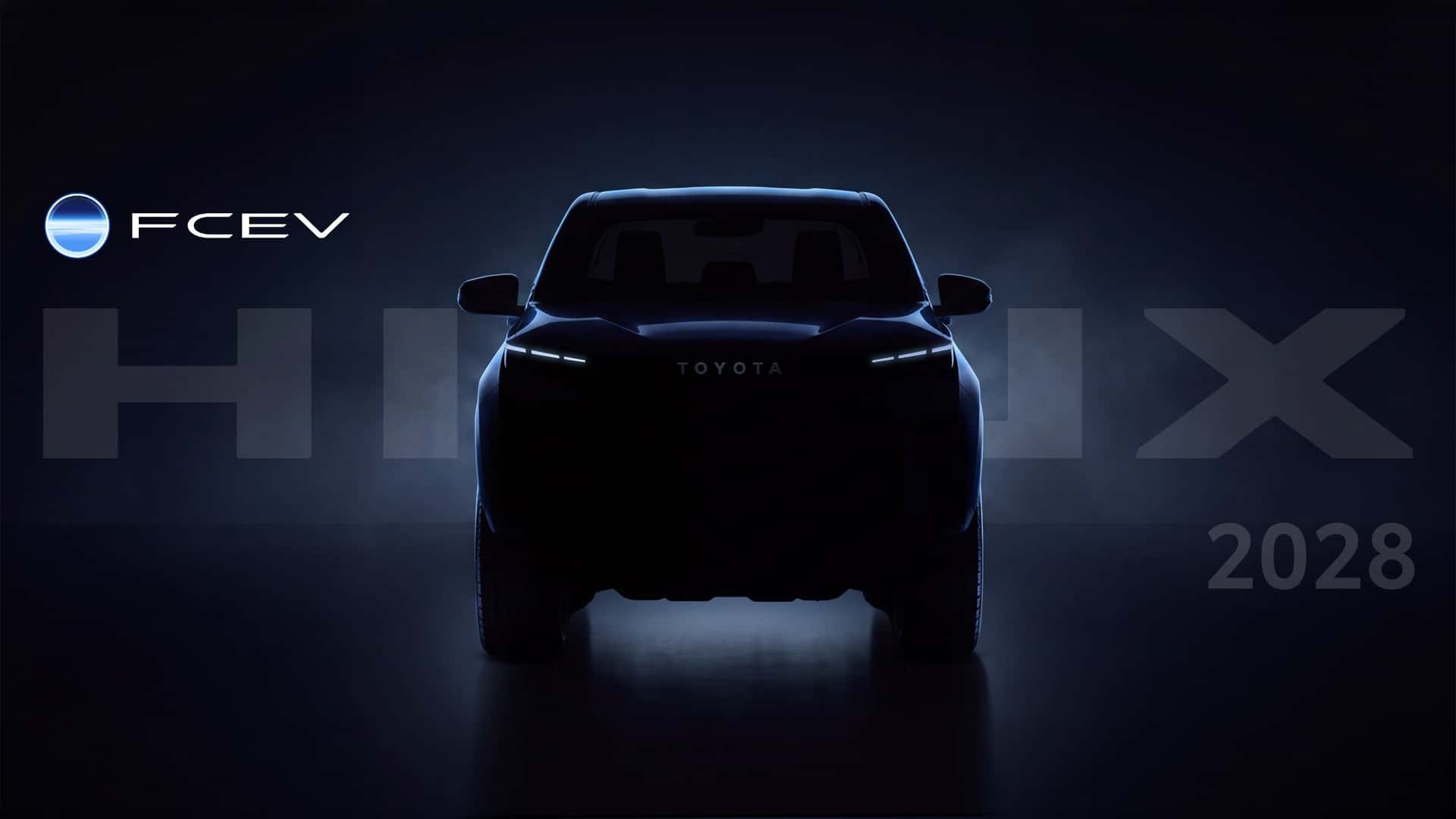
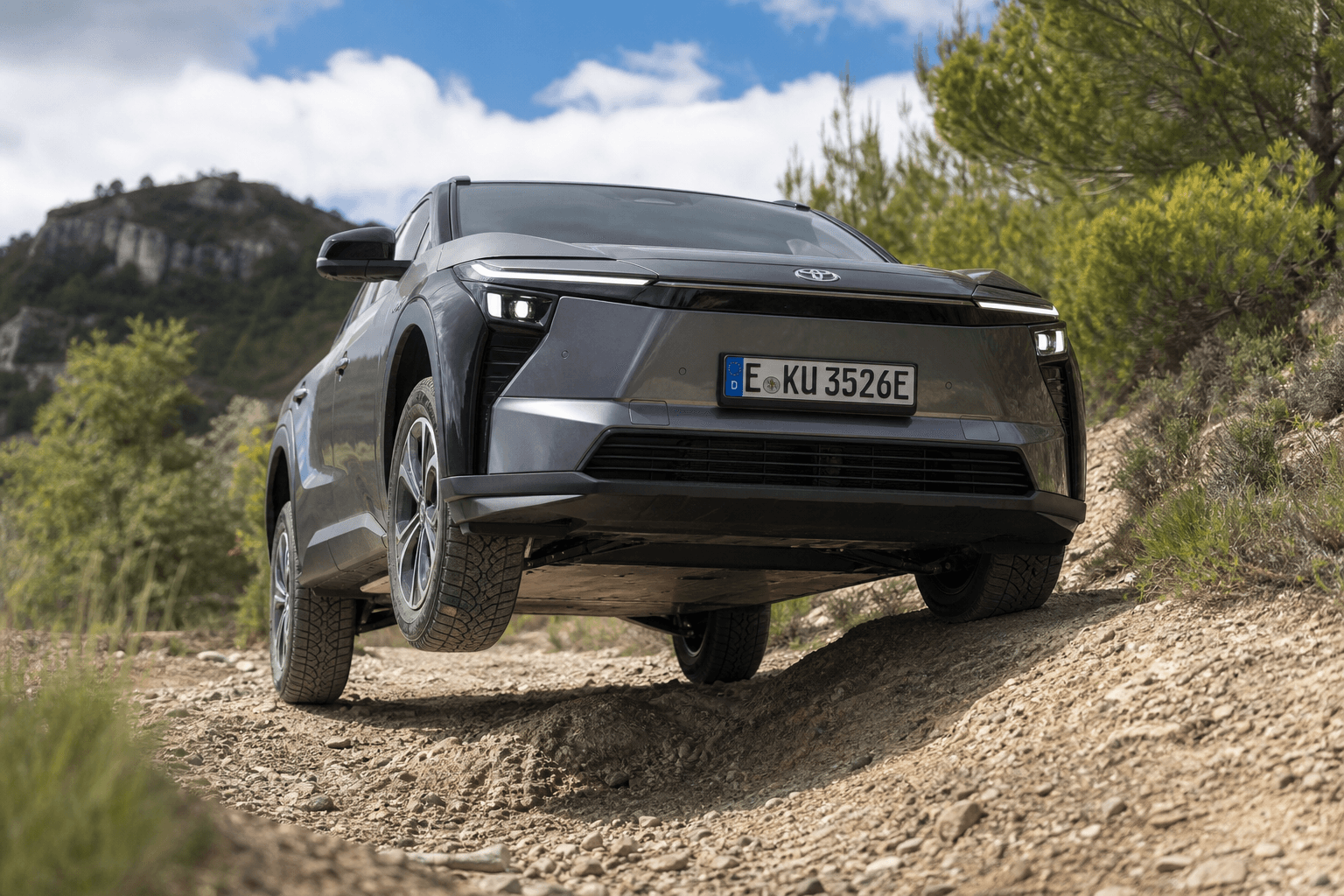
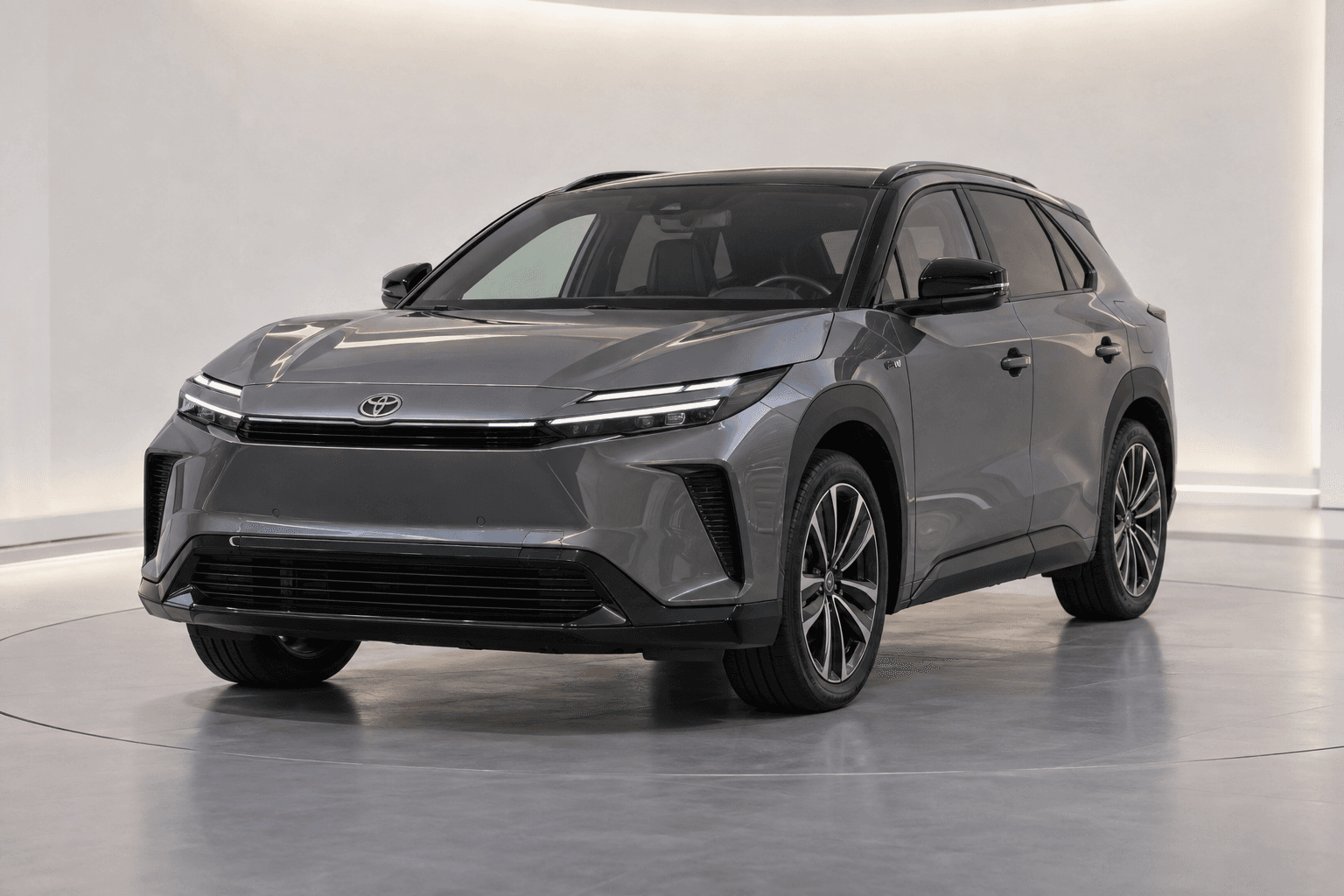
Electric cars add another factor. Manufacturers are simultaneously investing billions in batteries, software, new platforms and production facilities. Toyota is expanding its electric lineup, including with the planned next generation of the Toyota Corolla, and must balance these investments with competitive vehicle prices.
| Area | Many individual options | Few equipment packages |
|---|---|---|
| Configuration | High level of customization | Faster and clearer selection |
| Production | Many possible combinations | Simpler planning and higher volumes per variant |
| Delivery time | More dependent on individual parts | Potentially better availability |
| Purchase price | Higher development and logistics costs | More scope for lower prices |
| Individuality | Many details can be selected freely | Greater reliance on fixed packages |
Toyota responds to pressure from China
Many Chinese manufacturers already offer only a few clearly defined versions. Customers often choose only the battery, powertrain, exterior color and one of a small number of interior variants. This focus makes vehicles easier to compare while also simplifying industrial production.
The growing competition is also visible in Europe. Manufacturers such as Leapmotor, BYD and MG are gaining market share with generously equipped models and aggressive pricing. The development of electric car sales at Leapmotor, VW and BMW also demonstrates how intense this pressure has become.
Toyota is therefore following a broader industry trend. Volkswagen also wants to reduce its configuration options by up to 75% and significantly shrink the number of models offered across the group. Both manufacturers are trying to make greater use of their enormous industrial scale as a cost advantage once again.
What could change for buyers in Germany, Austria and Switzerland
For customers in Germany, Austria and Switzerland—the region commonly known as DACH—preconfigured trim levels are likely to become more important. Instead of selecting individual features separately, driver assistance systems, comfort extras and infotainment could increasingly be bundled into fixed packages. This makes the ordering process easier, but it may mean that customers have to choose a higher trim level just to get a single desired feature.
The potential advantages
- Clearer configurators and vehicles that are easier to compare
- Shorter delivery times thanks to standardized production
- Fewer rare combinations with difficult spare-parts availability
- Potential for lower prices or better standard equipment
The potential disadvantages
- Less freedom when choosing colors, materials and comfort extras
- Certain features may only be available in expensive packages
- Less individuality compared with premium brands
Less choice can make sense
In the mass-market segment, this simplification is fundamentally understandable. Many buyers want a sensibly equipped vehicle at a clear price without having to work through numerous interdependent options. The equipment included in clearly defined variants is also easier to identify on the used-car market.
Implementation remains crucial. If Toyota cuts combinations that are rarely requested while improving standard equipment, both customers and the manufacturer could benefit. However, if popular features are moved into costly packages, the reduced choice is more likely to be perceived as a cost-cutting measure.