
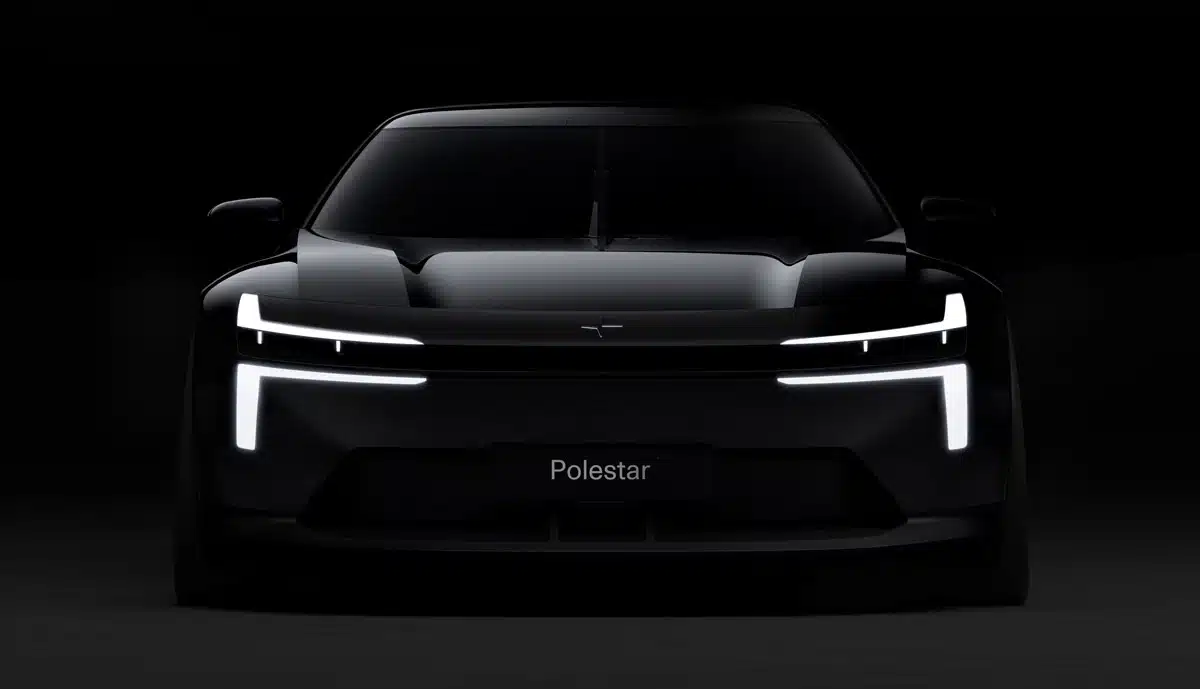
Formula 2030 Becomes Polestar’s Design Laboratory
Polestar is preparing its next major design step with the Formula 2030 concept vehicle. The show car is intended to demonstrate how the Swedish-Chinese brand will carry its established strengths in performance, technology and sustainability into its next generation of vehicles.
Polestar is not planning a radical departure from its current appearance. Instead, its Scandinavian-influenced design language will evolve significantly without sacrificing the brand’s recognizability.
Formula 2030 represents a bold evolution of the Polestar identity, not a complete restart.
New Polestar 2 Expected to Launch in 2027
The concept is particularly relevant to the next generation of the Polestar 2, which is scheduled to launch in 2027. Formula 2030 is expected to reveal the first features of the future production model.
The upcoming Polestar 7 is also likely to draw heavily on the show car. The brand has not yet provided specific technical specifications, so Formula 2030 should primarily be viewed as a preview of its proportions, lighting design, interior and choice of materials.
| Area | Formula 2030 Preview |
|---|---|
| Front design | Dual-Blade headlights remain a key identifying feature |
| Exterior | Further evolution of the clean Scandinavian design language |
| Interior | New design and a stronger focus on innovative materials |
| Production models | First design elements for the Polestar 2 and Polestar 7 |
| Timeline | New generation of the Polestar 2 planned from 2027 |
Dual-Blade Headlights Remain the Face of the Brand
The signature Dual-Blade headlights are not being phased out. That makes sense, as the split lighting signature has become one of Polestar’s most distinctive visual features. Familiar front end → modernized proportions and details: that is how the announced approach can be summarized.
This continuity is relevant to buyers. New models are intended to look more modern while remaining instantly recognizable as Polestars. With the model range expanding, a consistent brand face helps visually unite sedans, crossovers and SUVs.
Sustainability Claims Still Need Specifics
Polestar is also promising progress in innovative materials and sustainability. Which materials will actually be used, and whether they will deliver measurable benefits in terms of weight or carbon footprint, remains unclear for now.
The crucial question will therefore be which ideas make the transition from show car to series production. Concepts allow far greater freedom in materials and construction, while a production vehicle must also take costs, durability, repairability and industrial manufacturing into account.
World Premiere to Follow Later This Year
Before Formula 2030 is shown publicly, Polestar will initially present the vehicle to investors, retail partners and selected customers. Its world premiere is planned for later this year as part of an international driving event for the Polestar 4.
The concept is therefore more than just a design study. It links Polestar’s planned model expansion with its goal of becoming more profitable. Whether Formula 2030 will also introduce new technical solutions is unlikely to become clear until its full unveiling.


