New Opel Corsa to be offered exclusively as an EV
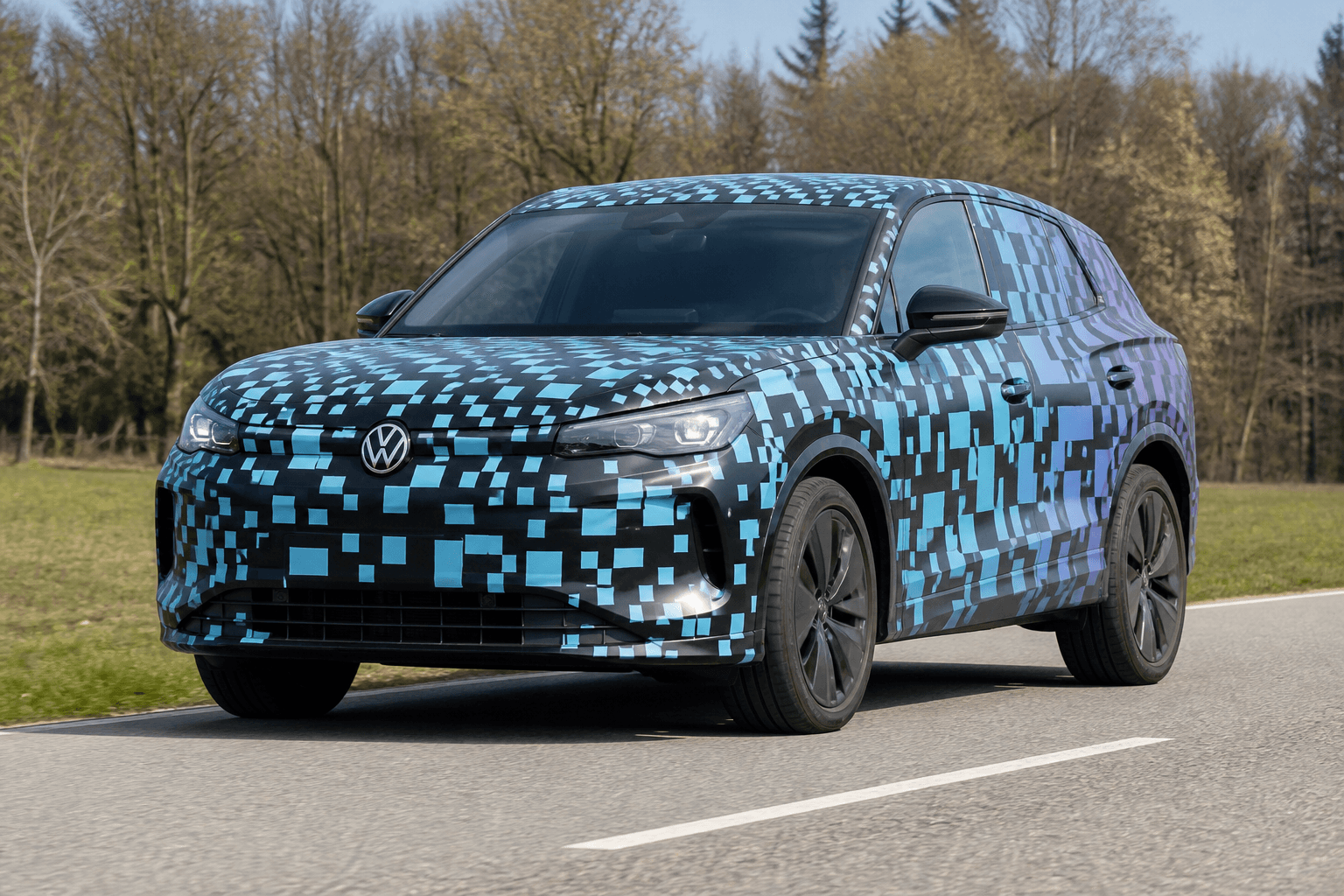
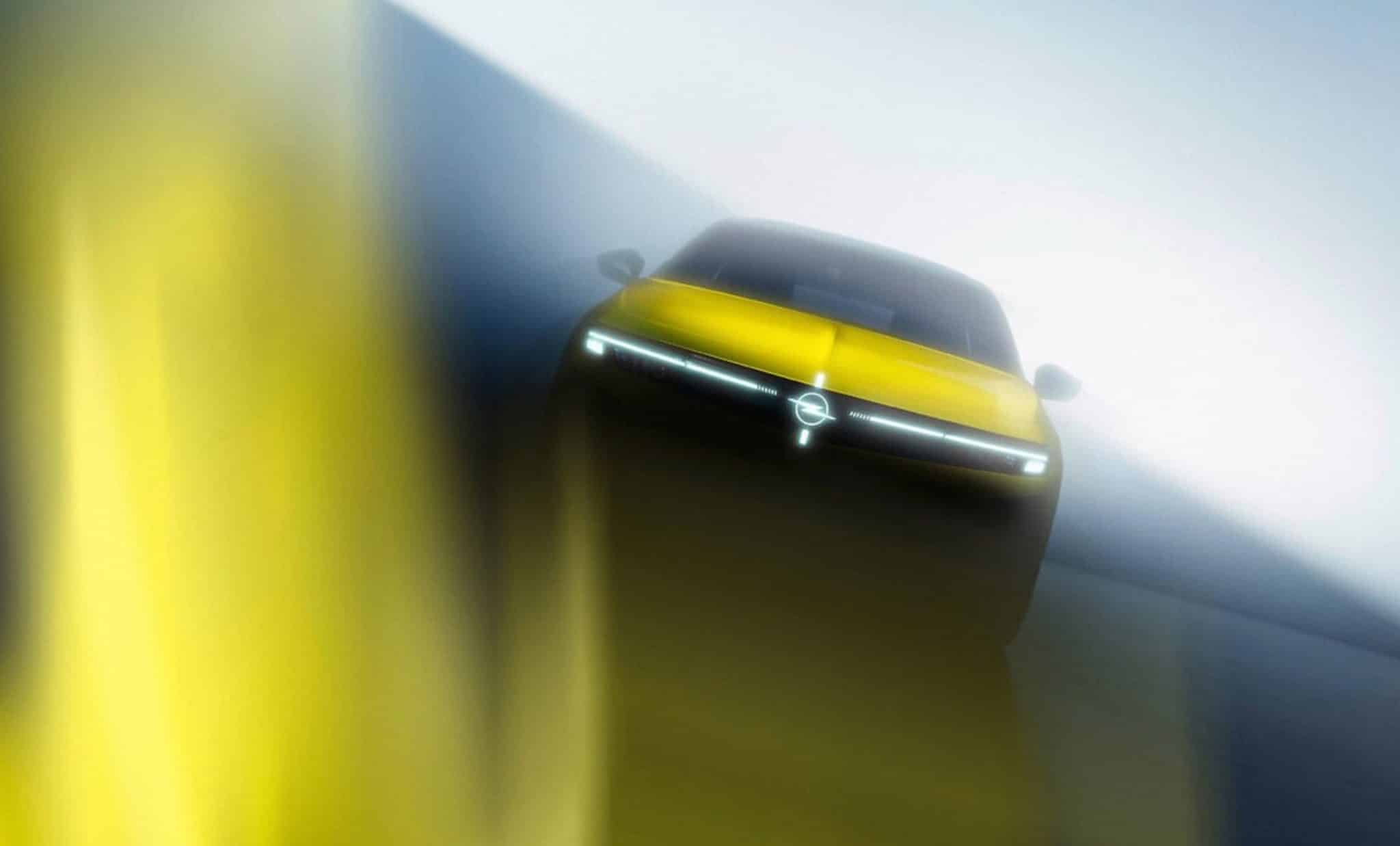
A clear break is emerging for the Opel Corsa: The next generation is set to be offered exclusively as a fully electric vehicle. Opel is thus positioning the future Corsa as a direct rival to the upcoming electric small cars due to arrive in Europe over the next few years, including a potential VW ID. Polo.
Opel has not yet announced a firm market launch date. Further announcements are broadly expected within the next two years, while a realistic start of series production is more likely around 2028.
STLA One as the foundation, fewer control units and more OTA updates
Technically, the new Corsa is expected to be the first model based on a new electric architecture described internally as STLA One. The approach follows the trend toward software-defined vehicles: moving away from numerous individual control units and toward central computers with a shared software platform.
This is precisely where the architecture could make a real difference in everyday use. If core functions are managed centrally, improvements and new features can be delivered more frequently and reliably via OTA updates, without a workshop visit. Tesla has demonstrated for years how significantly a car can evolve over time in this way, although traditional manufacturers often still have some catching up to do in terms of update frequency and functionality.
What this architecture could offer in everyday use
- faster and more consistent over-the-air software updates
- less electronic complexity thanks to central computers
- a better foundation for new driver-assistance and convenience features
€25,000 starting price is the goal—and the real challenge
Opel is targeting a starting price of around €25,000 for the new Corsa. This is exactly the price range where the mass market in the DACH region—Germany, Austria and Switzerland—is beginning to gain real momentum, especially if range, charging performance and equipment are not cut back too severely.
Whether this price is realistic, however, depends less on marketing targets and more on battery costs, production volumes and the final platform configuration. The pressure is particularly high in Europe because many manufacturers are only now ramping up their more affordable EVs, while increasingly price-aggressive competition is arriving from China.
Small-car showdown: Corsa versus ID. Polo in the next chapter
The context is interesting: Across all powertrains, the Corsa has recently even outsold the Polo at times in Europe. In the electric era, however, sales volumes will not be the only factor. What will also matter is how convincing the overall package of efficiency, charging and software proves to be. For many people, a VW ID. Polo is likely to become the flagship of the electric small-car segment, and that is exactly the benchmark a new Corsa will have to meet.
Anyone wanting to learn more about the segment can also read our overview of the upcoming entry-level EVs: VW ID. Polo, Cupra Raval and Skoda Epiq as a new family of electric small cars.
What it means for Germany, Austria and Switzerland
An electric Corsa is particularly relevant to the DACH market because small cars are often used there as second cars or commuter vehicles. The key question will be whether Opel can deliver a coherent package combining real-world range, reliable fast charging and straightforward controls. Between 2026 and 2028, this precise combination will separate genuinely practical entry-level EVs from models defined by little more than headline prices.
Does a small EV suit your driving profile?
If you are mainly uncertain about long-distance journeys and charging stops, our guide to EV range anxiety can help put the issue into perspective. And if you want to optimize charging at home, take a look at our article on EV charging losses.
Stellantis strategy: Opel retains multiple powertrains for now
Opel is part of Stellantis and therefore broadly follows a group strategy that allows technical components to be shared across brands. At the same time, Opel appears to have become more cautious about switching to an all-electric portfolio. Its goal of becoming the first European brand to go fully electric no longer plays the same central role. Instead, it will remain in a transitional phase for now, offering several powertrain types depending on the model and market.
Overall, the new Corsa sounds like an important building block for remaining competitive in the high-volume small-car segment. The big questions remain: When will it actually arrive, what will its charging and efficiency package look like, and can Opel achieve the €25,000 starting price without major compromises?