110,000 Onvo L60s delivered as August gains momentum
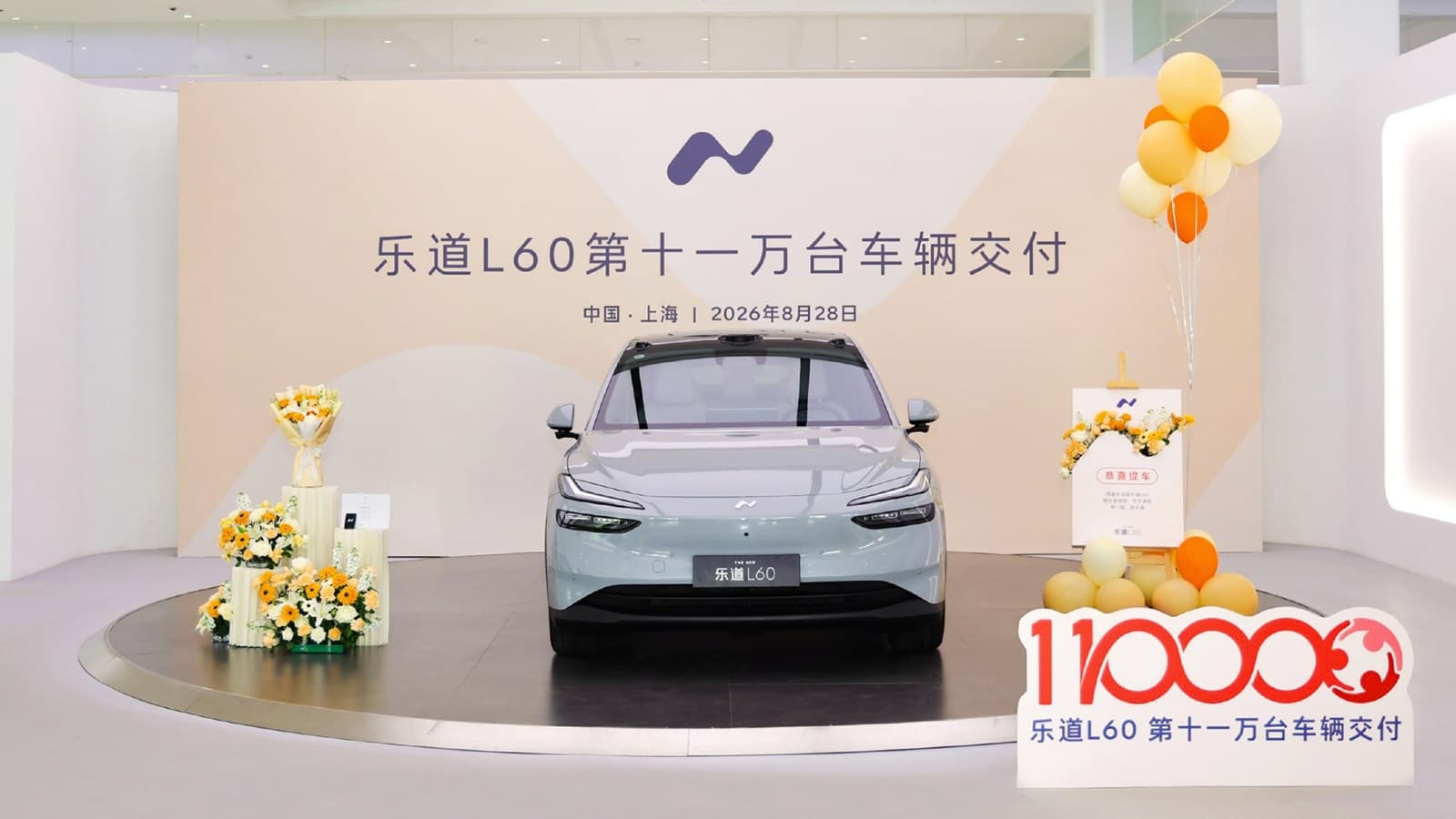
Onvo’s midsize L60 SUV has passed the milestone of 110,000 cumulative deliveries. The model has been on the road since late September 2024, meaning it reached the milestone after just under 23 months.
Based on the reported cumulative figures, Onvo delivered at least 3,201 L60s in August (as of the first 28 days). For comparison, July deliveries totaled 4,949 units. August therefore appears to mark a stabilization, even though it has not yet matched July as of today.
2026 remains below the previous year, but the update aims to reverse the trend
The L60 recorded 21,615 deliveries in the first seven months of 2026, representing a significant decline from the same period of the previous year according to the available figures. That makes the June update, which Onvo is positioning as a technical and pricing relaunch, particularly important.
The updated L60 was introduced in June with a starting price 6.8% lower than before. In China, the entry-level price for an outright purchase is now 192,800 yuan (roughly €28,000, depending on the exchange rate), while the top variants cost up to 222,800 yuan.
What the technology delivers in everyday use
The more interesting aspect is not the price alone, but the combination of platform, charging and driver-assistance systems. The L60 uses a 900-volt architecture. In practice, this is primarily an advantage when the charging hardware and cell chemistry can make full use of it: higher voltage allows less current at the same power output, potentially reducing the load on cables, connectors and thermal management.
A genuinely distinctive feature within the NIO ecosystem remains battery swapping: Onvo quotes 3 minutes for a swap. It is not a replacement for fast charging, but for high-mileage drivers or regions with a dense battery-swap network, it provides an additional option with highly predictable waiting times.
Driver-assistance systems: two hardware platforms in the same model
Onvo clearly divides the L60 range by driver-assistance hardware. The higher-spec Max+ and Ultra+ trims use a proprietary Onvo or NIO chip called the Shenji NX9031 (5 nm) and run on the NIO World Model architecture. The entry-level Pro version retains a vision-only approach with an Nvidia Orin-X and 254 TOPS of computing power.
For buyers, this means that comparing the variants should not be limited to wheels, seats or audio. They should also make a conscious decision about which driver-assistance platform they want in the vehicle. Today, software features evolve largely according to the computing hardware installed.
Range and batteries: 60 and 85 kWh, based on CLTC figures
The L60 is offered with 60 kWh and 85 kWh batteries. The stated ranges are up to 560 km and up to 740 km, respectively, although these figures are based on China’s CLTC test cycle. In Europe, WLTP figures would provide a more realistic basis for comparison, as CLTC results are generally more optimistic.
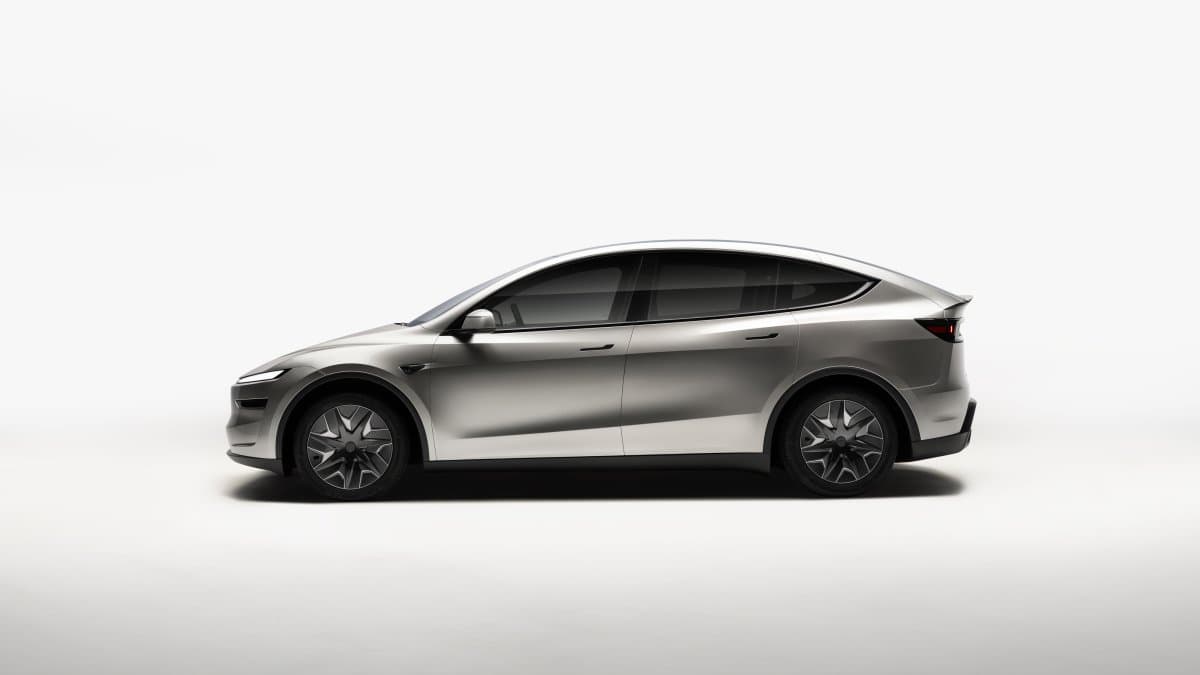
As a rough guide, anyone comparing the L60 with a Tesla Model Y should not pit range figures from different test cycles against each other, but should instead consider real-world energy consumption, charging and battery-swap options, and total operating costs.
Context: a Model Y rival and Onvo’s expanding portfolio
Onvo positions the L60 as a direct rival in the midsize electric SUV segment, where the Model Y has been the benchmark for years. Onvo emphasizes that, since its Chinese market launch, the L60 has frequently ranked among the top three best-selling midsize battery-electric SUVs priced at around 200,000 yuan.
At the same time, Onvo is no longer dependent solely on the L60: additional models in its portfolio are reducing the L60’s share of the brand’s deliveries. The brand delivered a total of 10,155 vehicles in July, with the L60 accounting for around 19.4%.
Why this also matters for Germany, Austria and Switzerland
Even if Onvo is currently primarily a China-focused topic, the trends are relevant: 900-volt platforms and increasingly pronounced hardware differentiation in driver-assistance systems will become commonplace in these markets as well. Readers looking to better understand the architectural differences can find more information in our comparison of 800V vs. 400V EV architectures.
The same applies to range: figures on paper are one thing, but the everyday experience is another. If you are interested in the psychology behind the range debate, see our guide to EV range anxiety.