Wayve to Guide Mercedes Vehicles Through City Traffic
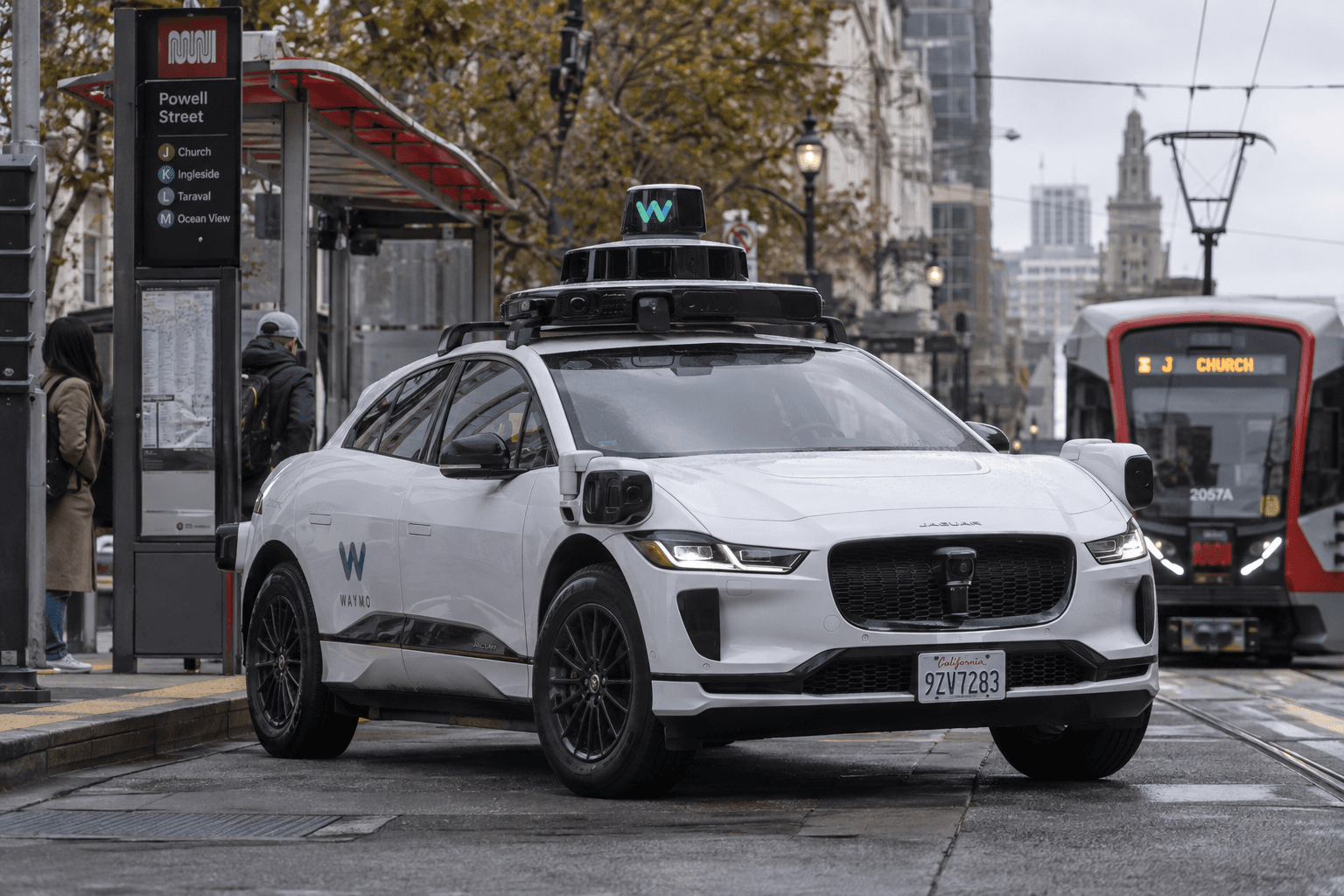
Mercedes-Benz is adding another technology partner to its automated-driving strategy. In the future, the brand’s vehicles are set to use Wayve’s AI Driver, which can handle complex point-to-point journeys in urban traffic.
Under current plans, the first Wayve-based system is expected to become available in Mercedes models within two years. It is not yet clear which model lines and markets will be first. In Germany, Austria and Switzerland, the scope and timing will also depend on regulatory approval and legislation.
Mercedes is not relying on a single software provider, but is developing multiple approaches for different levels of automation in parallel.
What Makes Wayve’s Technical Approach Different
Wayve uses what is known as an end-to-end approach. An AI model processes the vehicle’s sensor data and derives driving decisions directly from it, rather than handling every traffic situation solely through a long chain of separately programmed modules.
The system is also intended to work without high-precision HD maps. This does not mean that it uses no navigation or map data at all. Instead, the driving function is designed to depend less heavily on roads that have been mapped in detail beforehand, making it easier to deploy in new cities and regions.
In everyday use, this approach could be particularly beneficial around changing roadworks, unusual intersections or poorly marked roads. At the same time, the AI will need to demonstrate that it can reliably recognize rare and difficult-to-predict situations.
Mercedes Continues to Work With Nvidia
The Wayve partnership raises the question of how it will fit with the existing collaboration between Mercedes and Nvidia. Mercedes has already demonstrated MB.Drive Assist Pro, another system designed for supervised driving to a destination entered by the driver.
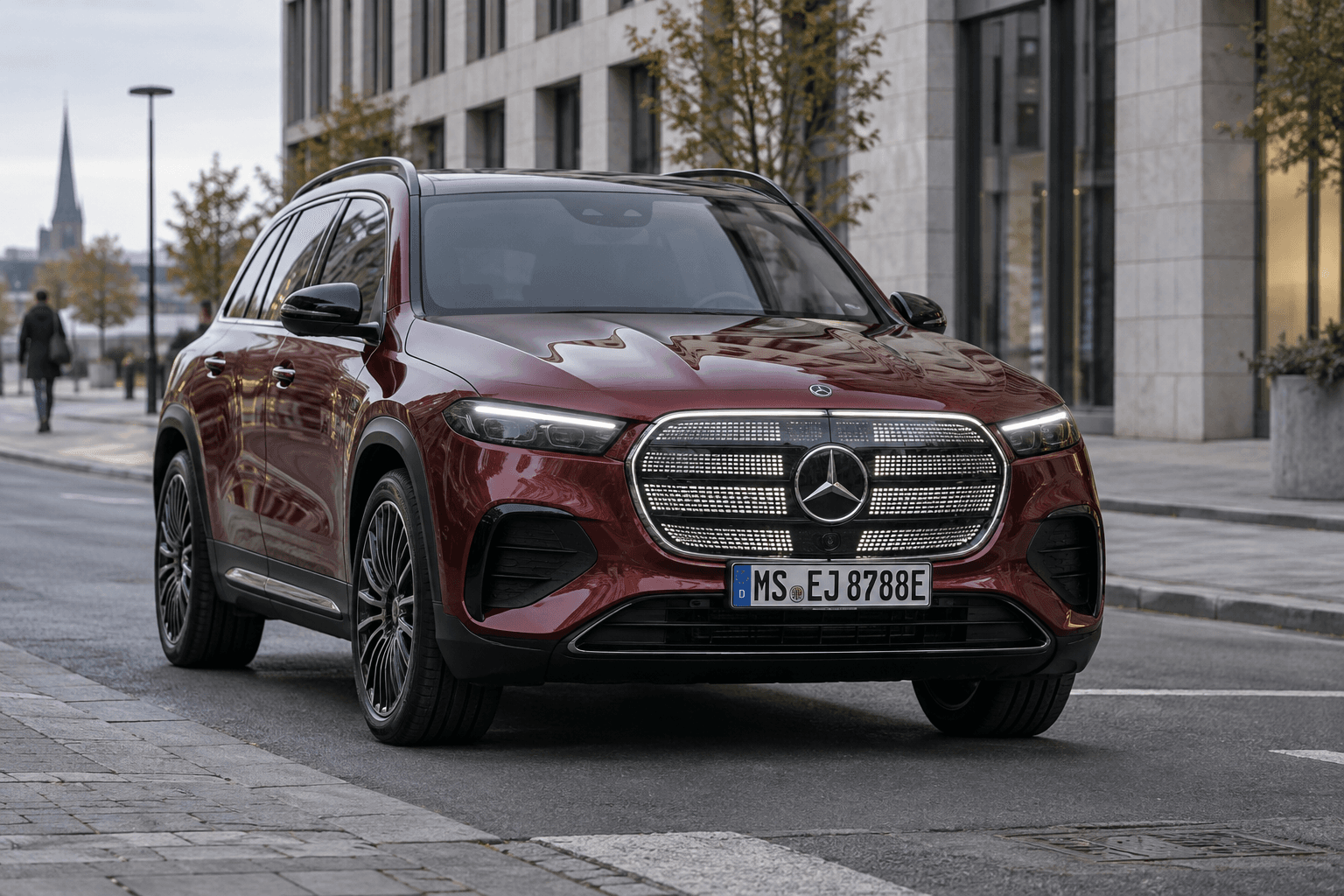
The electric Mercedes CLA is considered one of the first vehicles intended to receive this technology. The model line is already available, but the comprehensive point-to-point function has not yet been rolled out to customers as a standard feature.
| System | Purpose | Level of automation |
|---|---|---|
| Wayve AI Driver | Urban point-to-point journeys | Expected to require continuous supervision |
| MB.Drive Assist Pro with Nvidia | Navigation to the destination with complex traffic maneuvers | Supervised driver-assistance system |
| Drive Pilot | Driving on approved roads under clearly defined conditions | Level 3 within its permitted operating domain |
Mercedes could use the two AI platforms for different models, regions or stages of development. Wayve could also contribute specific capabilities while Nvidia continues to supply the computing platform and other software components. Mercedes has not yet specified how responsibilities will be divided.
Similar to Tesla FSD, but Not Autonomous
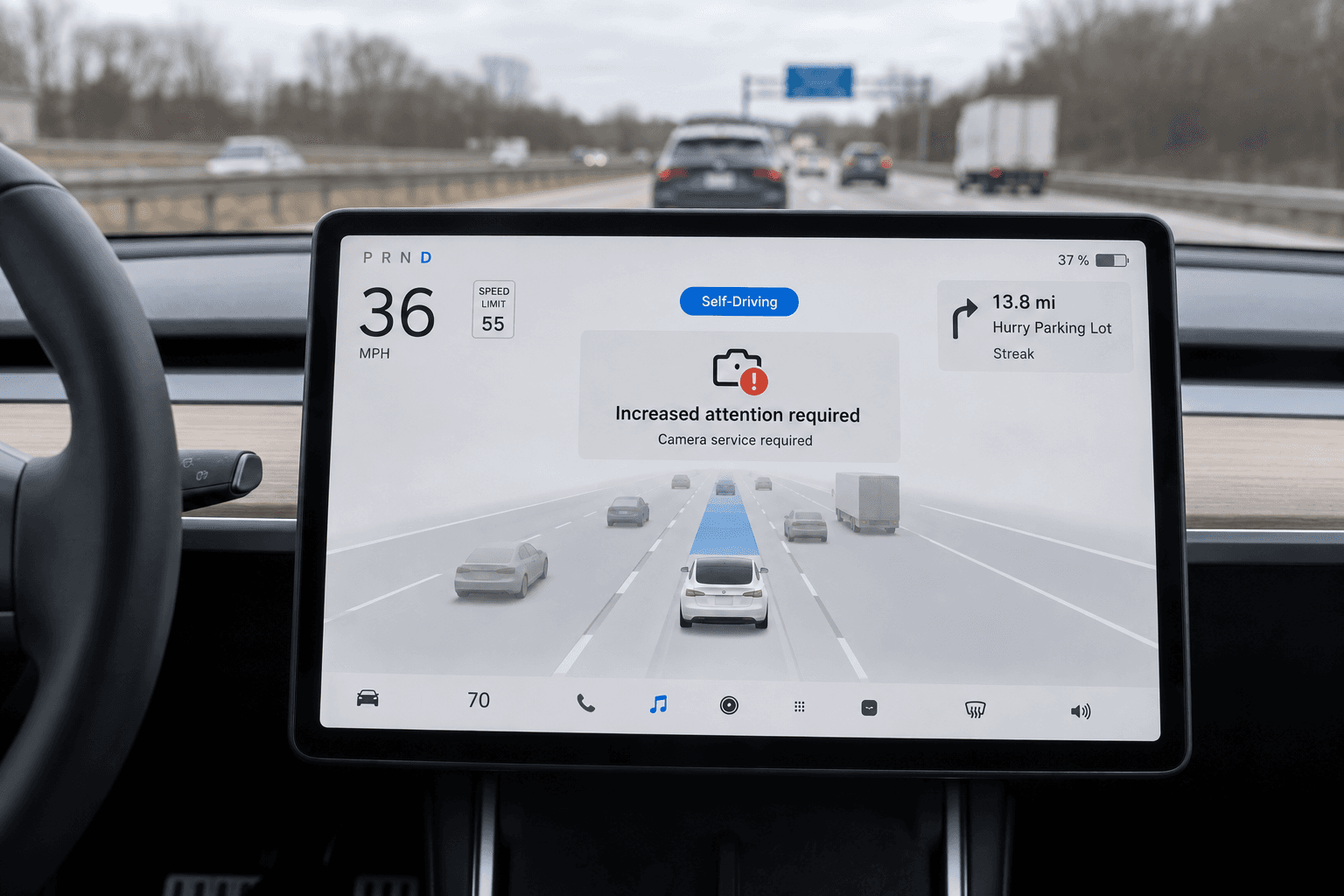
The announced use case is reminiscent of Tesla Full Self-Driving (Supervised). Depending on the market and regulatory approval, Tesla’s system can follow a navigation route, make turns, change lanes and respond to traffic lights or other road users. Nevertheless, it remains a supervised driver-assistance system in which the driver is responsible at all times.
This distinction is also likely to be crucial for Mercedes’ future system. A point-to-point function does not automatically constitute Level 4 autonomous driving. Mercedes would have to explicitly approve a higher level of automation and meet the associated regulatory and technical requirements.
Tesla has a considerable lead in data-driven vehicle software and large volumes of real-world fleet data. Mercedes, meanwhile, contributes its experience with certified safety systems and was an early mover in Level 3 technology with Drive Pilot. It will only be possible to reliably assess which architecture works better in everyday use after the systems launch for customers.
Drive Pilot Remains a Separate System
Drive Pilot has a different objective from the planned Wayve assistant. In defined situations, the Level 3 system may temporarily take over the driving task and responsibility. In return, its operating domain is much more restricted than that of a supervised Level 2 assistant.
Mercedes has recently placed less emphasis on the international expansion of Drive Pilot, focusing instead on flexible assistance systems for complete routes. The new partnership is consistent with this direction, but does not automatically replace Drive Pilot.
Wayve Is Becoming an Important Automotive Industry Partner
Mercedes already holds a stake in Wayve and has been working with the British AI company on technical projects for several years. The announced integration is therefore more than a short-term supply agreement.
Stellantis and Nissan have also entered into partnerships with Wayve. For Mercedes, this increases the pressure to turn the technology into a production-ready product quickly. The key question will be whether the flexible AI can become a predictable driver-assistance system that performs as confidently in European city centers as it does under ideal test conditions.
Tesla’s platform is also continuing to evolve. The announced developments involving Tesla FSD v15 and HW4 illustrate how quickly competition in AI-based driving functions is advancing.