Cupra Tindaya Set to Make the Leap to Production
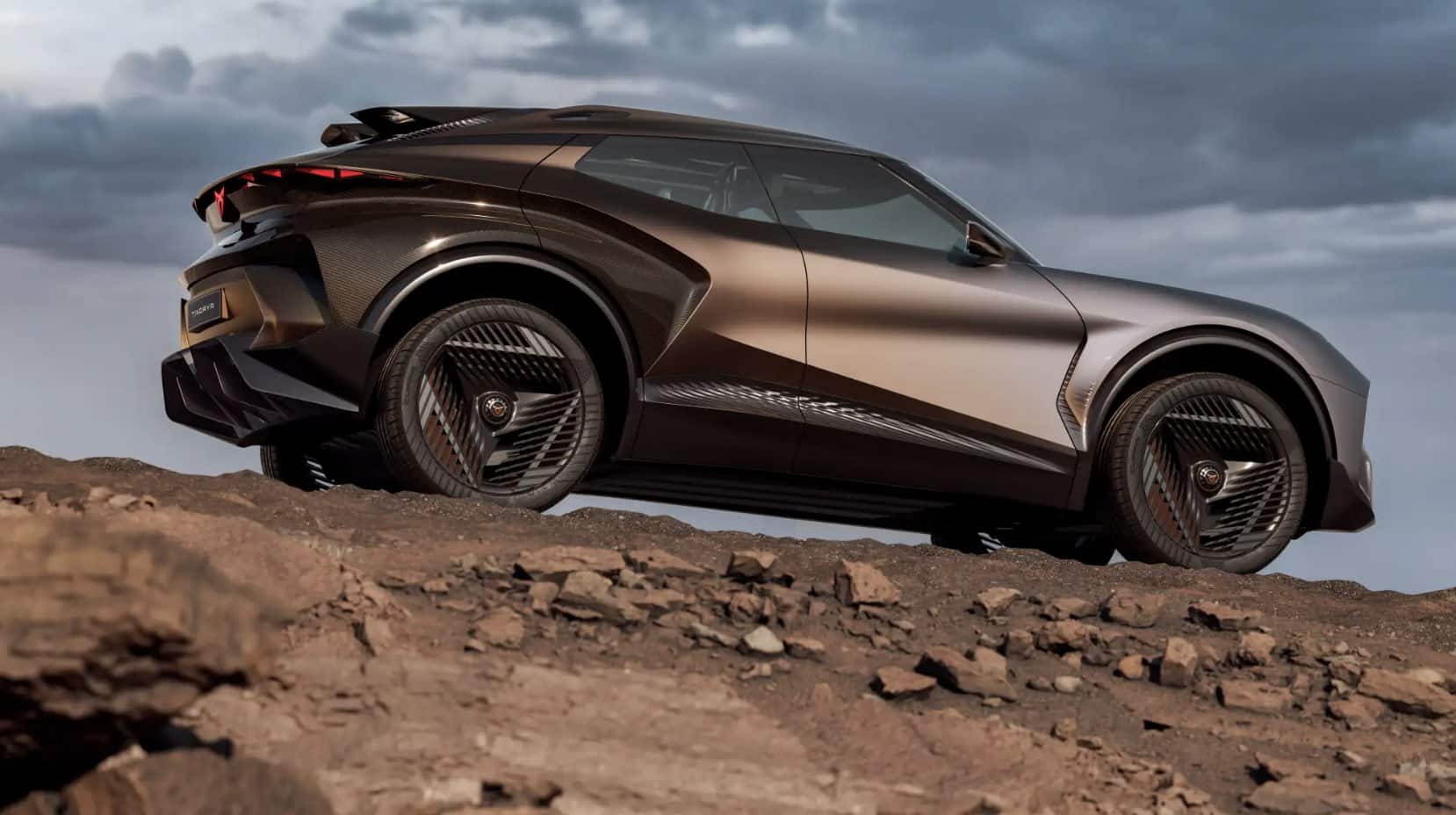
The Cupra Tindaya was apparently more than just a design exercise. Cupra is exploring series production of the striking SUV concept and has indicated that the vehicle could actually be on public roads in a few years.
This could make the Tindaya the brand’s new flagship. Cupra would position it above today’s Cupra Tavascan and target customers who find established premium SUVs too restrained in their styling.
| Aspect | Current Status |
|---|---|
| Vehicle class | Sporty premium SUV |
| Production model | Actively being evaluated and broadly announced by Cupra |
| Powertrain | No final decision yet |
| EV platform | SSP is considered a possible basis but has not been confirmed |
| Market launch | In a few years, with no specific date |
SSP and 800 Volts Would Be the Logical Technological Leap
The Volkswagen Group’s new Scalable Systems Platform is a possible technical basis. Known as SSP, the architecture is intended to underpin models from various brands and vehicle classes in the future. For Cupra, it would be a suitable foundation for developing a high-performance electric SUV with modern software and short charging times.
The planned 800-volt technology is particularly relevant. With a suitable battery and thermal management system, it enables high charging power at lower current levels. Our comparison of 800-volt and 400-volt EV architectures shows what difference this makes in everyday use.
However, SSP has not yet been officially confirmed for the Tindaya. As Cupra is also keeping the final powertrain concept open, the platform decision is unlikely to have been fully finalized either. Given its positioning, a fully electric model appears plausible, but it is not yet a confirmed product feature.
The Tindaya has a genuine chance of reaching production, but its powertrain, platform and market launch remain undecided.
The Production Car Is Likely to Be Far More Practical
The concept features sharp edges, extreme proportions and a deliberately dramatic front end. Less complex body panels, more conventional lights and a practical interior are likely for the production version. Even so, Cupra’s distinctive visual identity should remain intact.
That is precisely where the model’s opportunity lies. The BMW iX3, electric Mercedes GLC and Tesla Model Y each cover the segment with their own strengths, but their styling is less radical. Cupra could stand out with a more emotive design without moving directly into the price range of exotic luxury brands.
Cupra Must Balance Design, Price and Range
A particularly progressive flagship would strengthen the brand’s image, but it would also increase the financial risk. Cupra must offer enough technology and performance without losing sight of what its existing target audience can afford. Long range, fast charging and a distinctive interior will therefore be more important than headline figures alone.
The brand is becoming noticeably more important within the Volkswagen Group. This is also reflected in the success of its electrified models to date and the strategic shift we examined in our analysis of Cupra’s growth within the VW Group. However, this does not mean that the end of Seat has been confirmed.
Demand for different powertrains may also change before production begins. Cupra is therefore keeping the decision open for as long as possible. Nevertheless, much points to the Tindaya focusing on electric mobility, especially if the SUV does indeed use SSP and 800-volt technology.