CATL and DHL Target European Road Freight
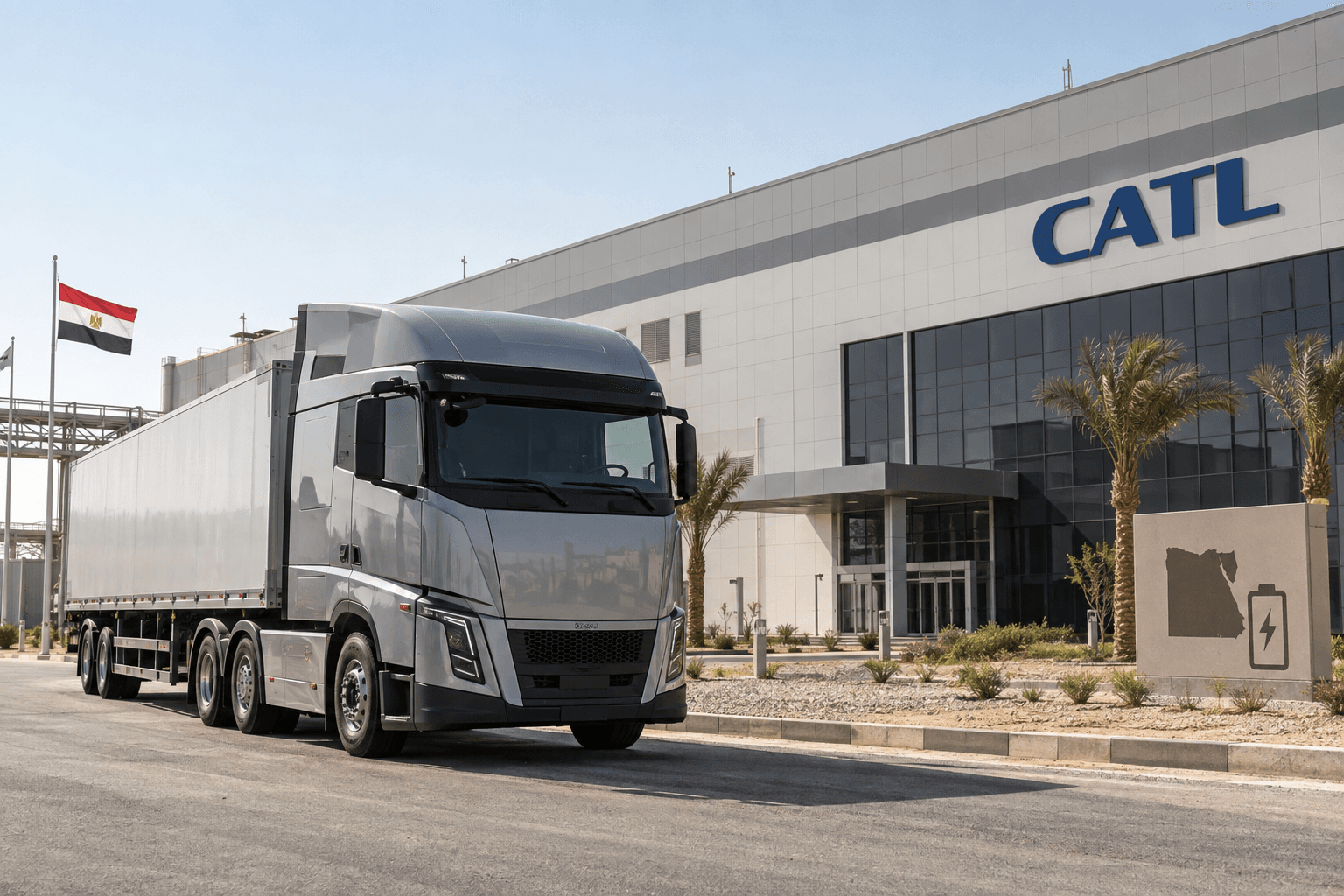
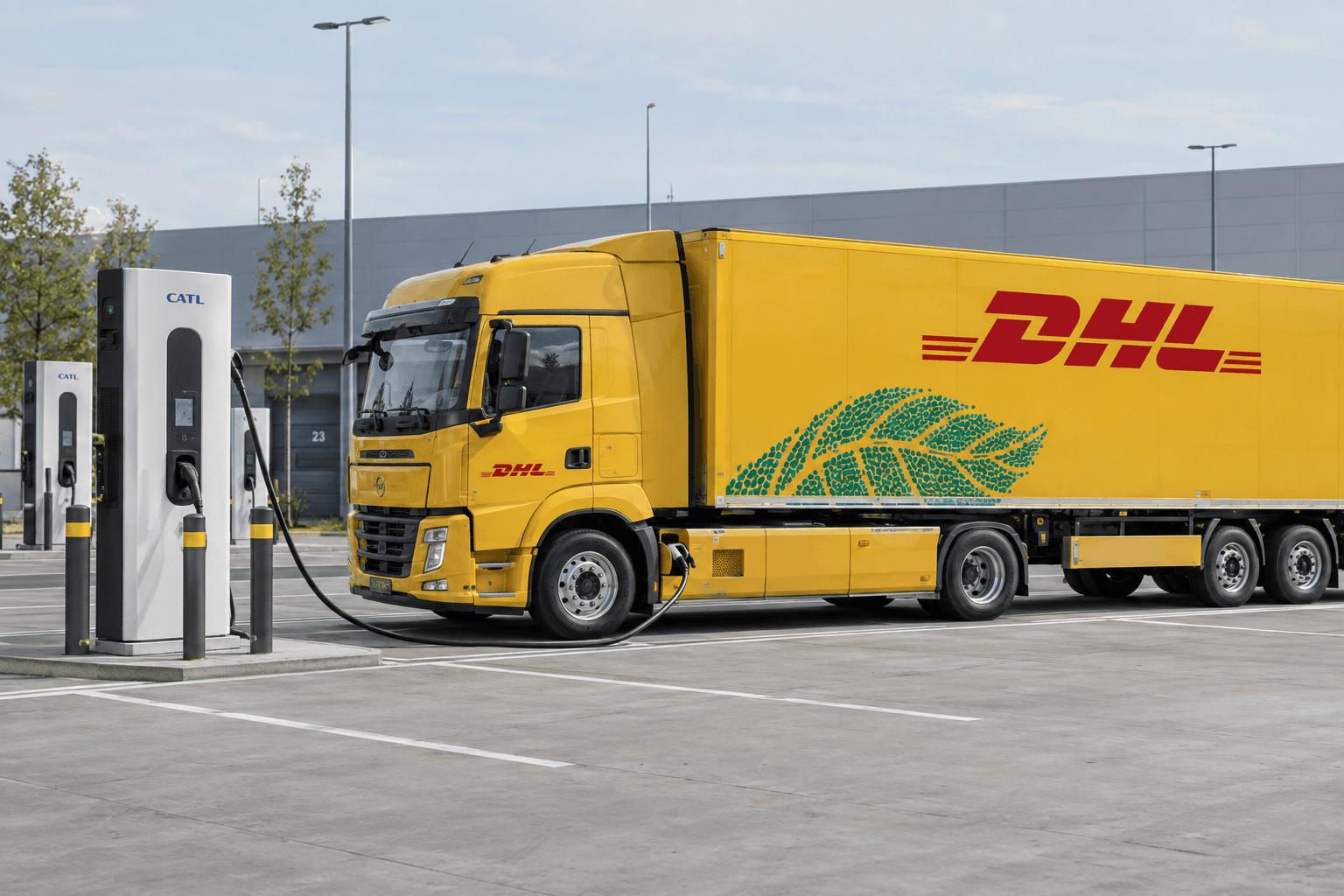
CATL and DHL plan to jointly develop green freight corridors in Europe. A memorandum of understanding signed in Hanover on September 14, 2026, covers electric trucks, charging infrastructure, energy storage, and battery-swapping pilot projects.
The goal is not a single showcase project but an operational model that can be applied to different transport routes. DHL will contribute real-world requirements from day-to-day logistics operations, while CATL will provide battery, charging, and swapping technology.
The key is the systemic approach: electric trucks, energy supply, and route planning are to be developed together.
Areas Covered by the Partnership
As a first step, the companies plan to identify suitable transport corridors and involve potential partners. These include vehicle manufacturers, energy suppliers, infrastructure companies, logistics providers, and investors.
| Area | Planned Approach | Operational Benefit |
|---|---|---|
| Electric trucks | Involve suitable vehicle manufacturers | Select vehicles to match the route and payload |
| Charging infrastructure | Stationary and mobile high-power chargers | Supply depots and corridors flexibly |
| Battery swapping | Pilot stations for heavy commercial vehicles | Reduce downtime for suitable operating profiles |
| Energy storage | Buffer storage at charging points | Limit peak loads and grid connection costs |
| Logistics planning | Coordinate routes, breaks, and energy demand | Better integrate charging into existing operations |
Which routes will actually be electrified remains undecided. No investment figures or schedules for individual projects have been announced either. For now, the agreement establishes an organizational framework; specific projects will need to be approved separately.
Why Electric Freight Corridors Matter
For heavy electric trucks, simply installing large batteries is not enough. High daily mileage, tight schedules, and limited grid capacity make infrastructure a critical factor. A charging hub serving several trucks may at times require far more power than a conventional fast-charging hub for passenger cars.
Defined corridors can help mitigate this problem. If vehicles regularly visit the same depots, terminals, and rest areas, charging power and storage capacity can be planned more precisely. Fixed route → more predictable energy demand.
In technical terms, heavy-duty transport requires more power than today’s passenger cars with 400- or 800-volt architectures typically draw. Megawatt charging is becoming relevant for electric trucks so that legally mandated breaks can be used as fully as possible for recharging.
CATL Tectrans II Promises Up to 1,000 km
Alongside the partnership, CATL has unveiled the second generation of its Tectrans battery solution for commercial vehicles. In its largest configuration, the version for heavy trucks is expected to provide a range of up to 1,000 km.
For fast charging, CATL claims an 80% state of charge after 25 minutes. The system also supports both cable charging and battery-pack swapping. The range and charging time are currently manufacturer figures and will depend heavily on payload, speed, weather, and vehicle configuration in real-world operation.
This choice could be particularly attractive to fleet operators. Megawatt charging is suitable for scheduled rest periods, while battery swapping could enable especially short stops. However, swapping technology requires standardized battery packs, enough stations, and a viable business model.
Battery Swapping Set to Launch in the UK in 2027
To build a European battery-swapping infrastructure, CATL can draw on a joint venture with Octopus Energy. The first demonstration stations in the UK are planned for 2027. By 2035, the British network could grow to more than 30 locations.
For now, battery swapping therefore remains a pilot approach rather than a widespread alternative to fast charging. Its potential lies mainly in standardized fleets operating fixed routes whose vehicles need to spend as little time idle as possible.
Mobile Chargers Can Bridge Grid Expansion Delays
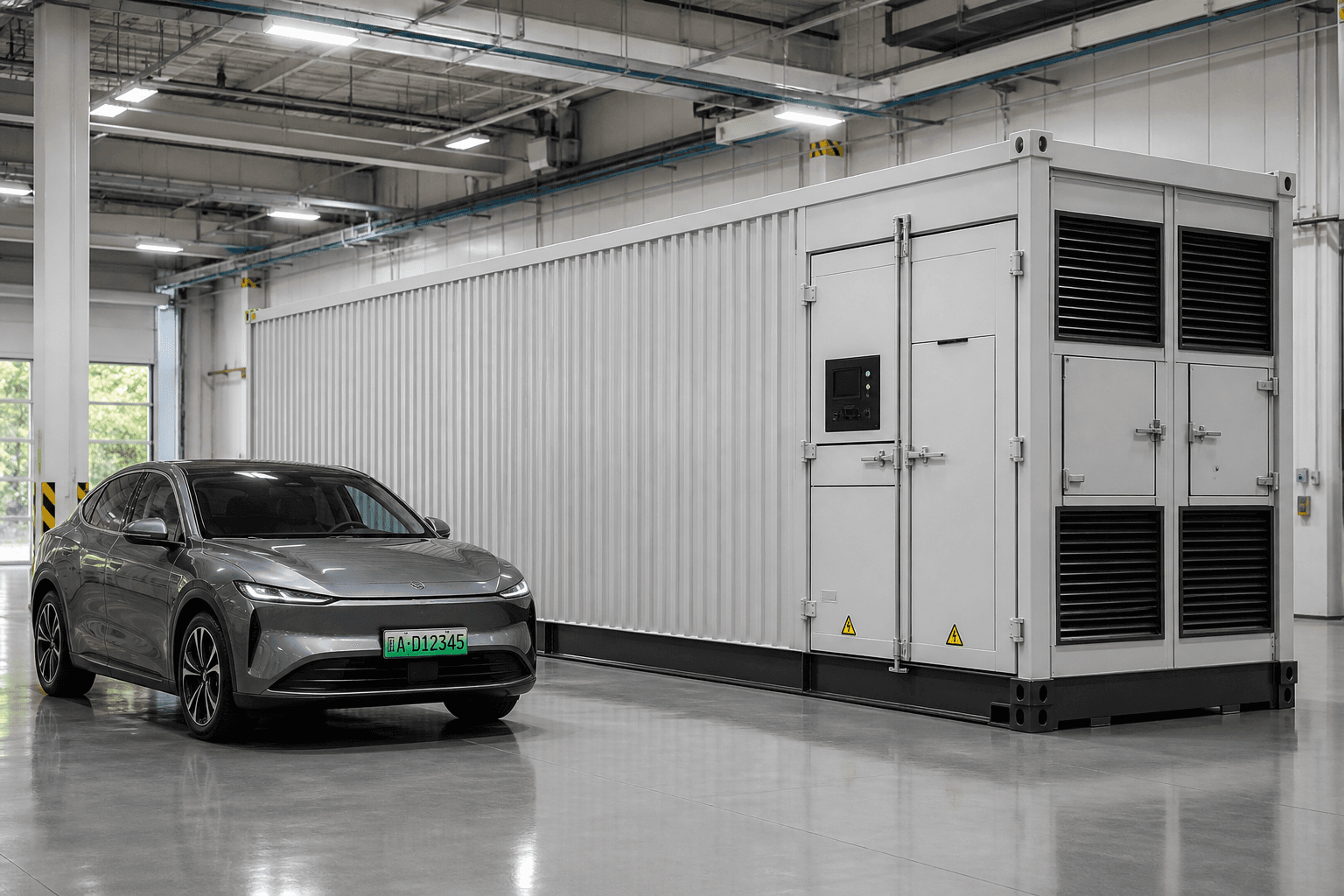
Alongside permanent charging hubs, CATL and DHL are also examining mobile energy and charging solutions. Such systems combine battery storage with high-power charging technology and can be deployed at locations that do not yet have a high-capacity grid connection.
This is practical for logistics companies because it could allow new electric trucks to enter service sooner. In the long term, mobile storage cannot replace a high-capacity grid connection, but it can bridge construction delays, absorb peak loads, or supply temporary transport projects.
What the Agreement Means for Europe
DHL aims to achieve net-zero emissions associated with its logistics activities by 2050. The new partnership could help the company introduce electric trucks not as standalone purchases but together with energy supply and route planning.
At the same time, the electric commercial vehicle market is growing across several vehicle classes. While projects such as the Kia PV7 electric van address distribution over shorter routes, the CATL-DHL initiative focuses more heavily on heavy trucks and European long-haul corridors.
The memorandum of understanding is not yet evidence of rapid, large-scale deployment. Nevertheless, the approach is relevant because it brings together the key components. Electric road freight can scale reliably and economically only when vehicles, charging hubs, grid connections, and schedules are coordinated.