BMW’s Regensburg Plant Reaches the Nine-Million Mark
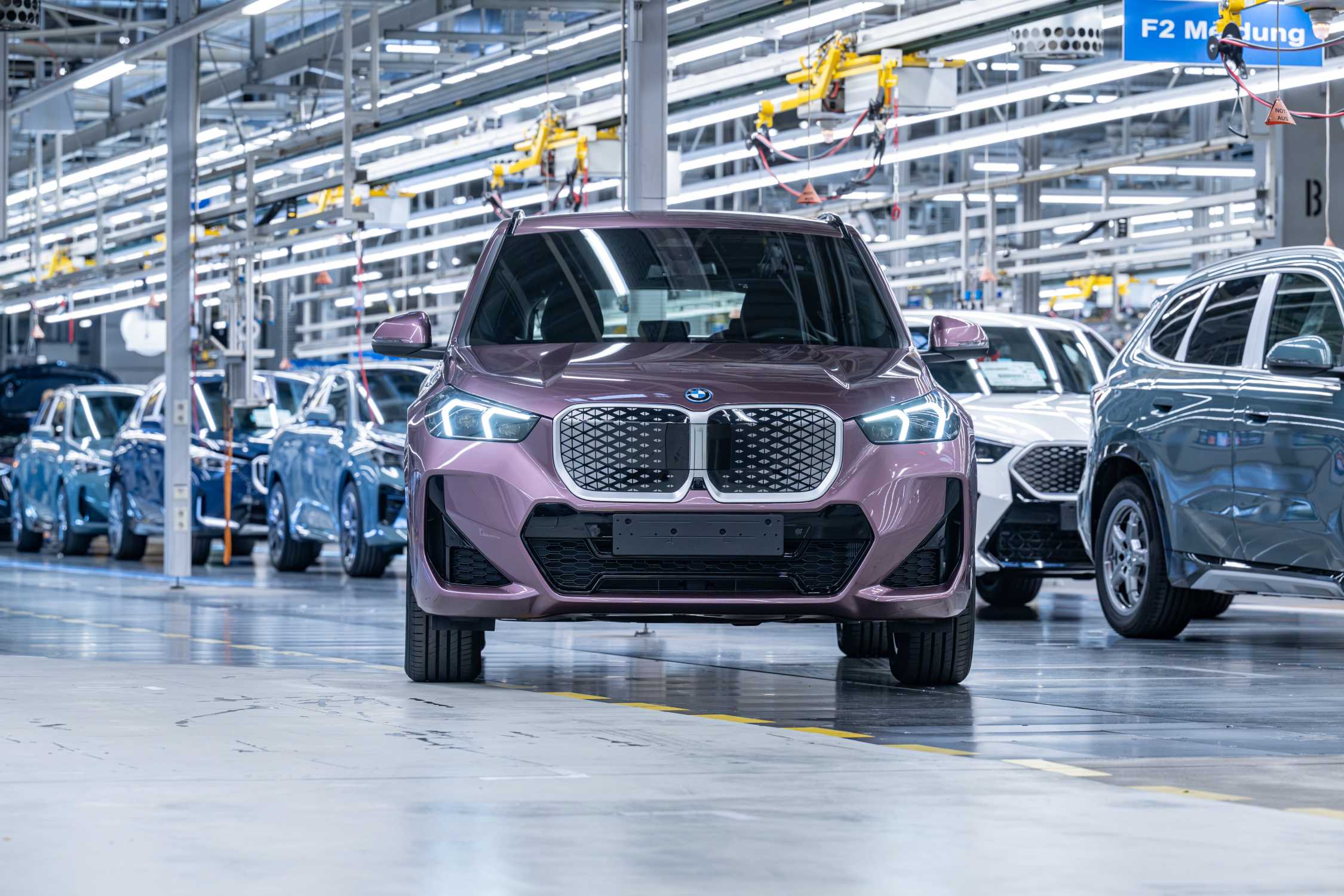
In its 40th year of series production, BMW’s Regensburg plant is celebrating a major milestone: the nine-millionth car built there is an all-electric BMW iX1. The vehicle has a BMW Individual Velvet Orchid II Metallic paint finish and was built for a customer in Sweden.
The choice of anniversary model also demonstrates how firmly electric mobility has become established in high-volume production. The BMW X1 and its electric iX1 variant roll off the production line in Regensburg alongside plug-in hybrids and models with gasoline or diesel engines.
The production record is less a new model announcement than evidence that EVs have long been part of BMW’s regular volume production.
More Than 1,400 Vehicles per Working Day
According to BMW, a vehicle leaves the assembly line every 57 seconds. The plant operates around the clock in three shifts and currently produces more than 1,400 cars per working day.
More than 356,000 vehicles were built in Regensburg in 2025, the highest annual total to date. More than 150,000 of them were electrified. However, that figure includes both all-electric cars and plug-in hybrids; the share of fully electric vehicles is not reported separately.
| Metric | Figure |
|---|---|
| Start of series production | 1986 |
| Total vehicles produced | 9 million |
| Current model ranges | BMW X1 and BMW X2 |
| Production per working day | more than 1,400 vehicles |
| Assembly cycle time | 57 seconds per vehicle |
| Annual production in 2025 | more than 356,000 vehicles |
| Electrified vehicles in 2025 | more than 150,000 vehicles |
| Employees in Regensburg and Wackersdorf | around 9,000 |
One Line for Different Powertrains
The flexible production system is particularly significant from both a technical and an economic perspective. BMW can build combustion-engine vehicles, plug-in hybrids and EVs on the same production line, allowing it to adjust volumes comparatively quickly in response to demand.
For buyers in Germany, Austria and Switzerland—the DACH region—this setup could help ensure a more stable supply of the X1 family. Production in Germany also shortens logistics compared with models imported from overseas, although actual delivery times still depend on the variant, equipment and allocation between markets.
The iX1 faces a rapidly expanding selection of electric crossovers. Our comparison of electric compact SUVs for 2026 provides an overview of prices, ranges and charging performance.
From the BMW 3 Series to an Electric Compact SUV
Series production in Regensburg began in 1986 with the E30-generation BMW 3 Series. At the time, the plant was designed to produce 400 vehicles per day and provide 3,500 jobs. Today, the Regensburg and Wackersdorf sites employ around 9,000 people in total, including approximately 380 apprentices.
Over four decades, Regensburg has produced various generations of the BMW 1 Series, 3 Series, X1 and X2, as well as the Z4 and several versions of the 4 Series. According to BMW, Regensburg is now the company’s highest-volume vehicle plant in Europe.
Neue Klasse Also Set to Come to Regensburg
Production of vehicles based on BMW’s next-generation Neue Klasse architecture is also scheduled to begin at the site in the second half of this decade. The announcement does not specify an exact date or the particular variants planned.
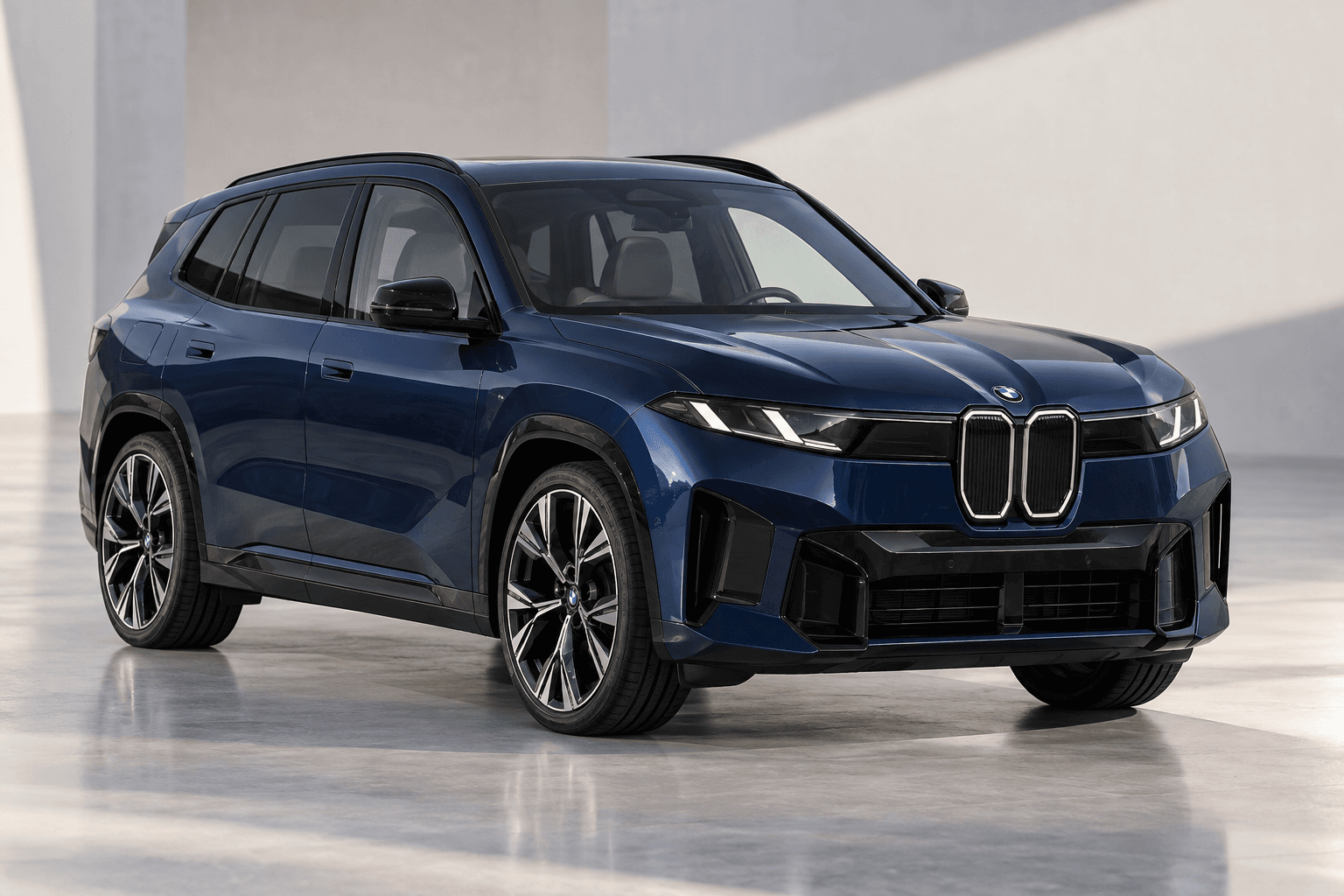
This would represent an important technological leap for the site, as the Neue Klasse uses an architecture designed more specifically for EVs. Our overview of the Neue Klasse BMW iX1 explains what technology is expected in the future compact model.
BMW has not announced new prices, WLTP ranges or charging times to mark the production milestone. That is understandable, as this is not a model premiere. Nevertheless, the milestone highlights the role the iX1 now plays at a plant that continues to produce several types of powertrain in parallel.