Volkswagen shifts capacity toward electric cars
Volkswagen is adapting its German production operations to a faster-than-expected shift in demand. While orders for fully electric cars are rising in Germany and other European markets, combustion-engine vehicles are losing momentum.
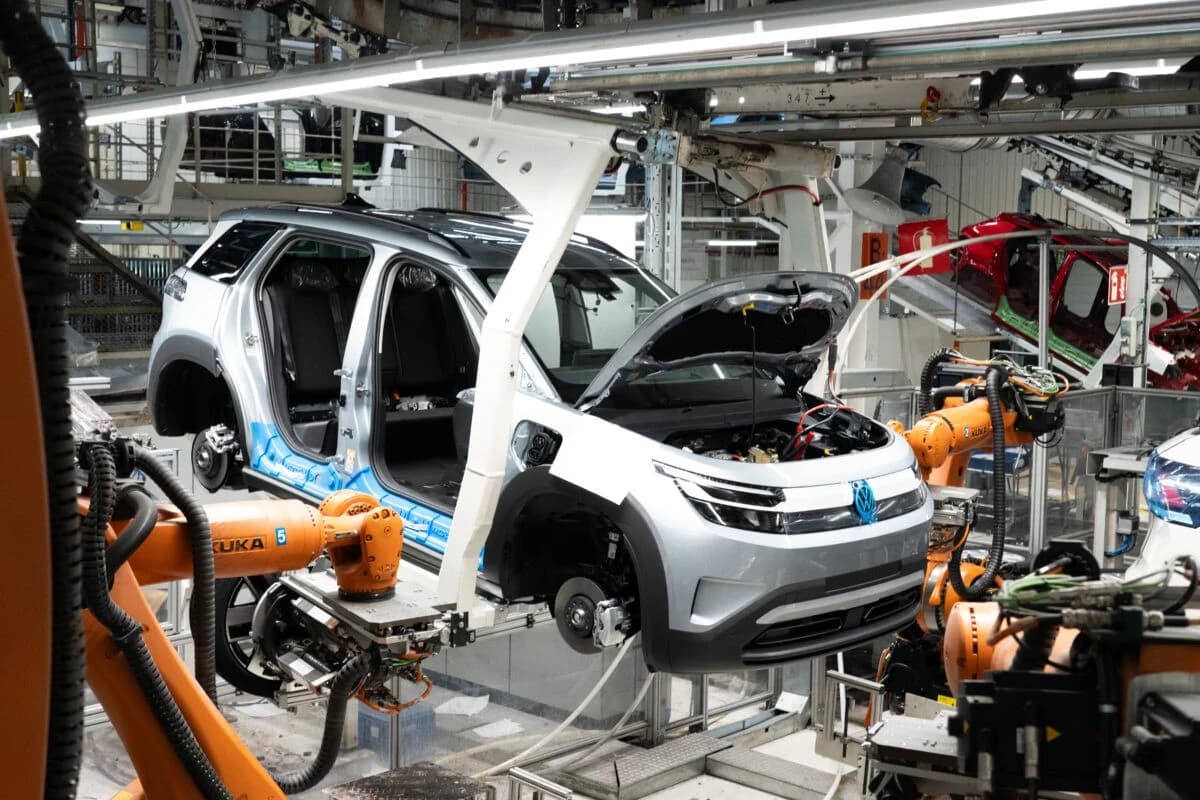
This is particularly evident at the company’s main plant in Wolfsburg. VW is canceling planned extra shifts for models with combustion engines. Instead of the originally targeted production of more than 600,000 vehicles, the plant is now expected to produce around 580,000 units in the current year.
More electric car orders and lower demand for combustion-engine vehicles are now leading to visible shifts in VW’s production.
Emden and Zwickau benefit from EV demand
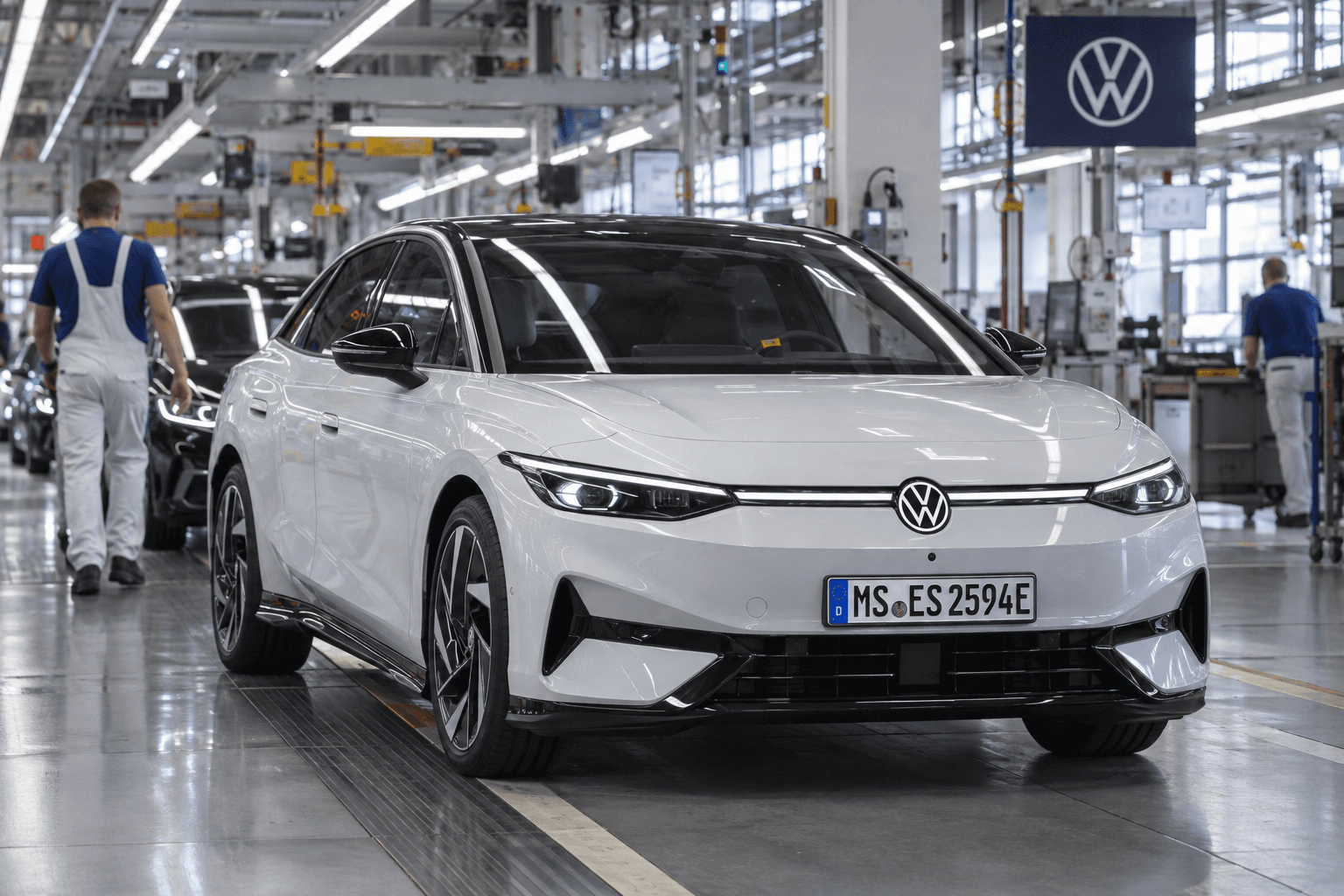
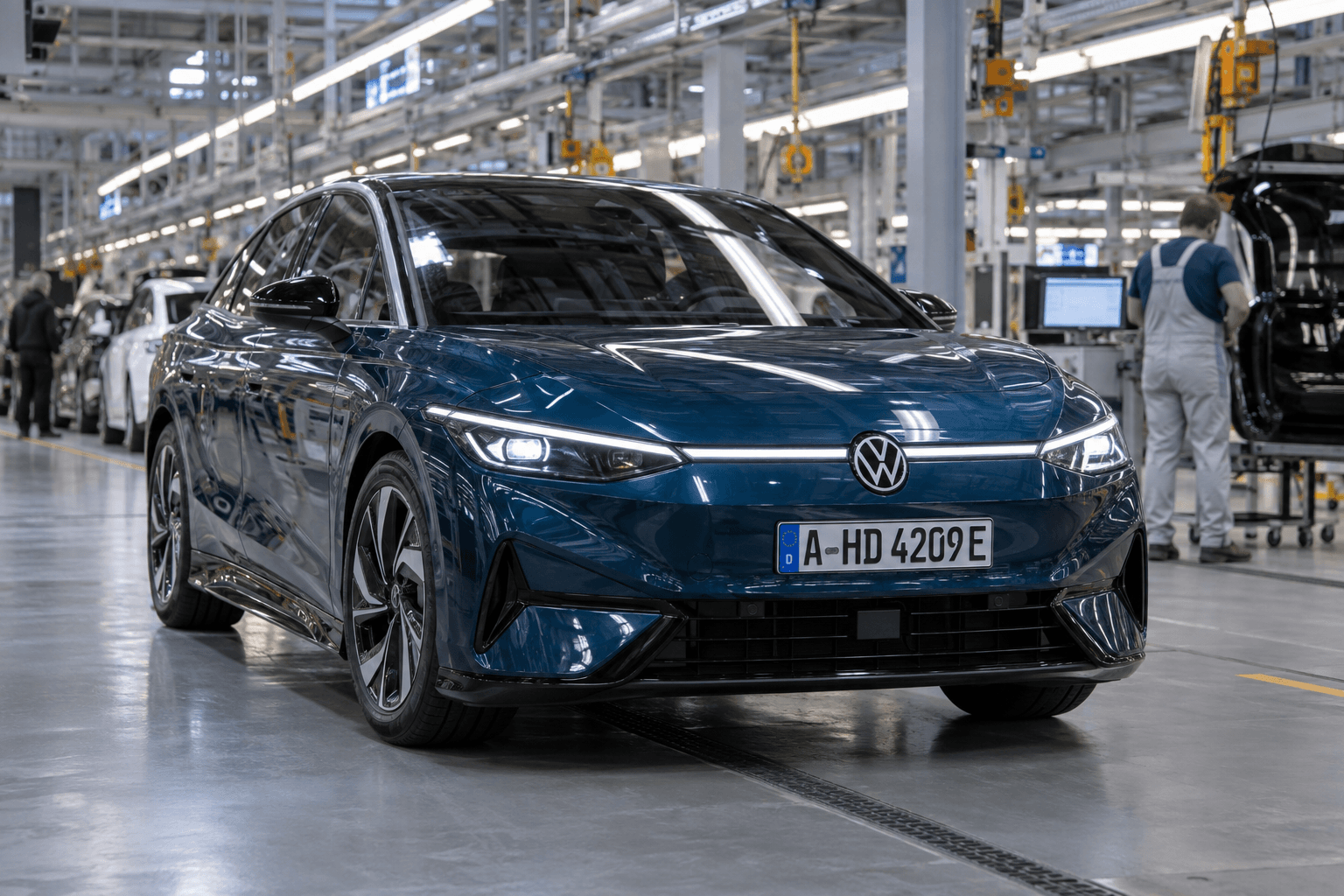
Alongside the adjustment in Wolfsburg, capacity utilization is increasing at the electric car plants in Emden and Zwickau. At least two additional shifts are planned in Emden for the VW ID.7, which is offered as a sedan and an estate.
The VW ID.4 is also produced at the same plant. The electric midsize SUV is due for a major overhaul and, according to current plans, is to be positioned as the ID. Tiguan in the future.
| Plant | Production development | Key models |
|---|---|---|
| Wolfsburg | Extra shifts for combustion-engine vehicles canceled | Combustion-engine models |
| Emden | Additional EV shifts planned | ID.7 and ID.4 |
| Zwickau | Capacity utilization rises due to improved order levels | ID.3 and Audi Q4 e-tron |
Zwickau is also receiving a boost. Orders for the VW ID.3 and the Audi Q4 e-tron are improving capacity utilization at the plant. Both model lines use the group’s electric MEB platform.
New small electric cars drive orders
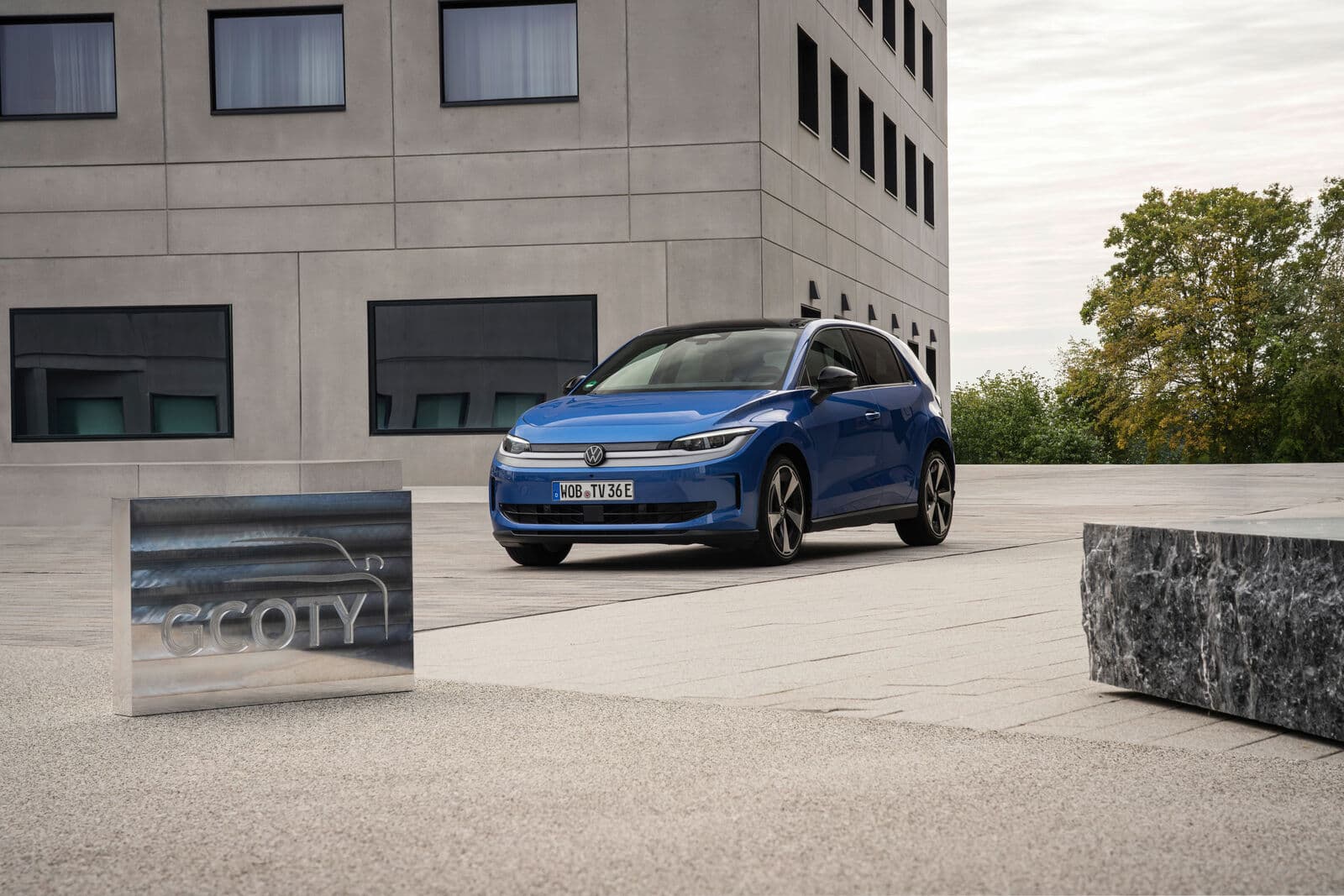
The new entry-level models produced in Spain account for a large share of current orders. Across the group, the VW ID. Polo, Cupra Raval, VW ID. Cross, and Škoda Epiq have together attracted more than 100,000 preorders. The electric Polo alone is said to account for more than 40,000 orders.
In the German market, Volkswagen now receives more orders for fully electric cars than for combustion-engine vehicles. High fuel prices are also likely to be supporting this trend. As a result, electric powertrains are becoming attractive to buyers not only for climate-related reasons but increasingly because of their running costs as well.
Higher sales do not automatically mean higher profits
The development is fundamentally positive for Volkswagen, as stronger demand improves capacity utilization at its specialized electric car plants. At the same time, the group currently earns less on average from an electric car than from a comparable combustion-engine vehicle.
This is precisely where the economic challenge lies: rising unit volumes → better factory utilization, but not automatically higher returns. Volkswagen must therefore continue to optimize battery costs, production expenditure, and its platform strategy.
For the German-speaking DACH region—Germany, Austria, and Switzerland—the production shift is an important market signal. While it does not yet prove that combustion engines are being abandoned across the board, it shows that electric mobility is gaining momentum faster than most recently anticipated. It remains unclear how VW will incorporate its plants in Emden, Zwickau, Hanover, and Neckarsulm into its long-term production strategy from the 2030s onward.