VW ID. Cross production begins in Navarra
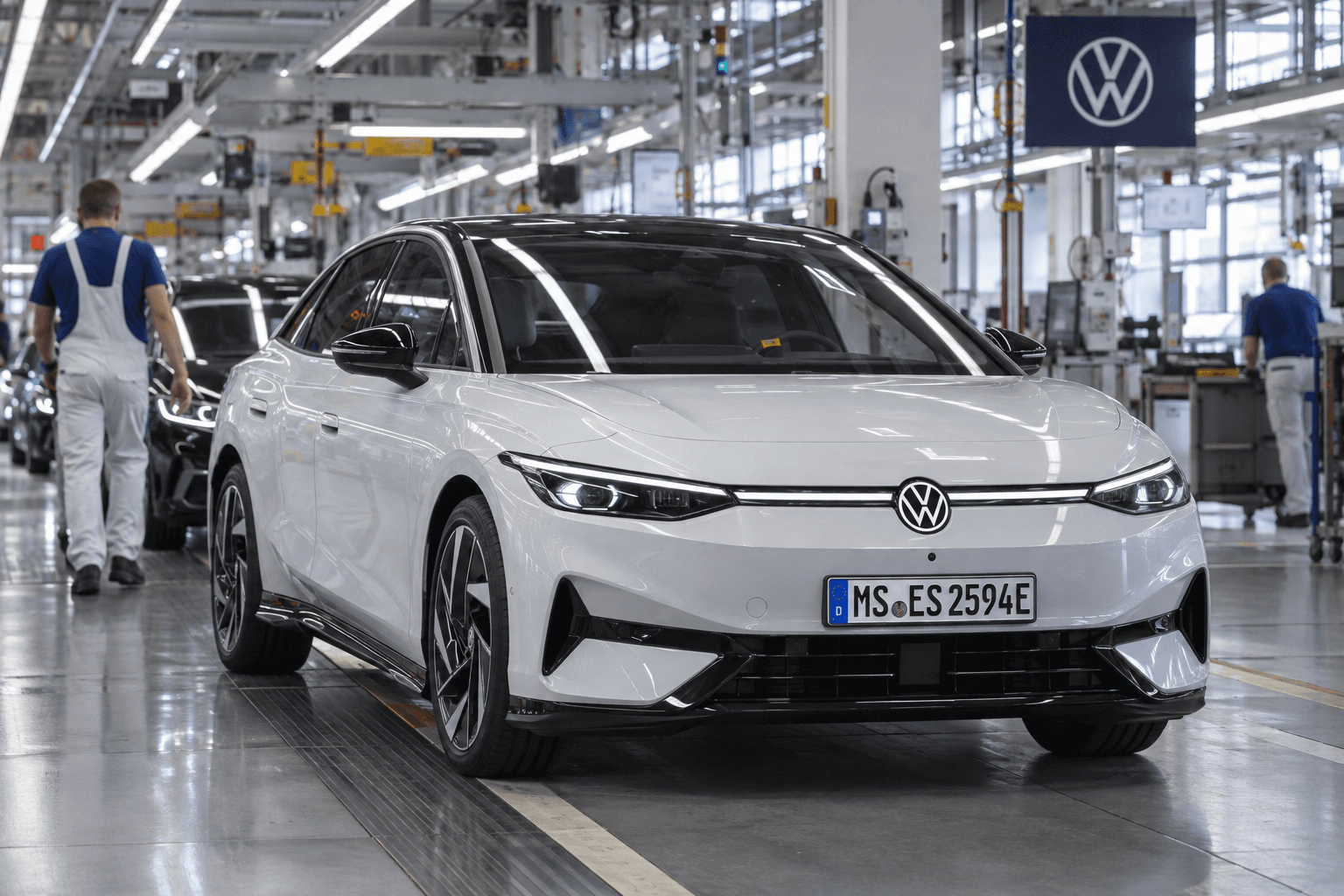
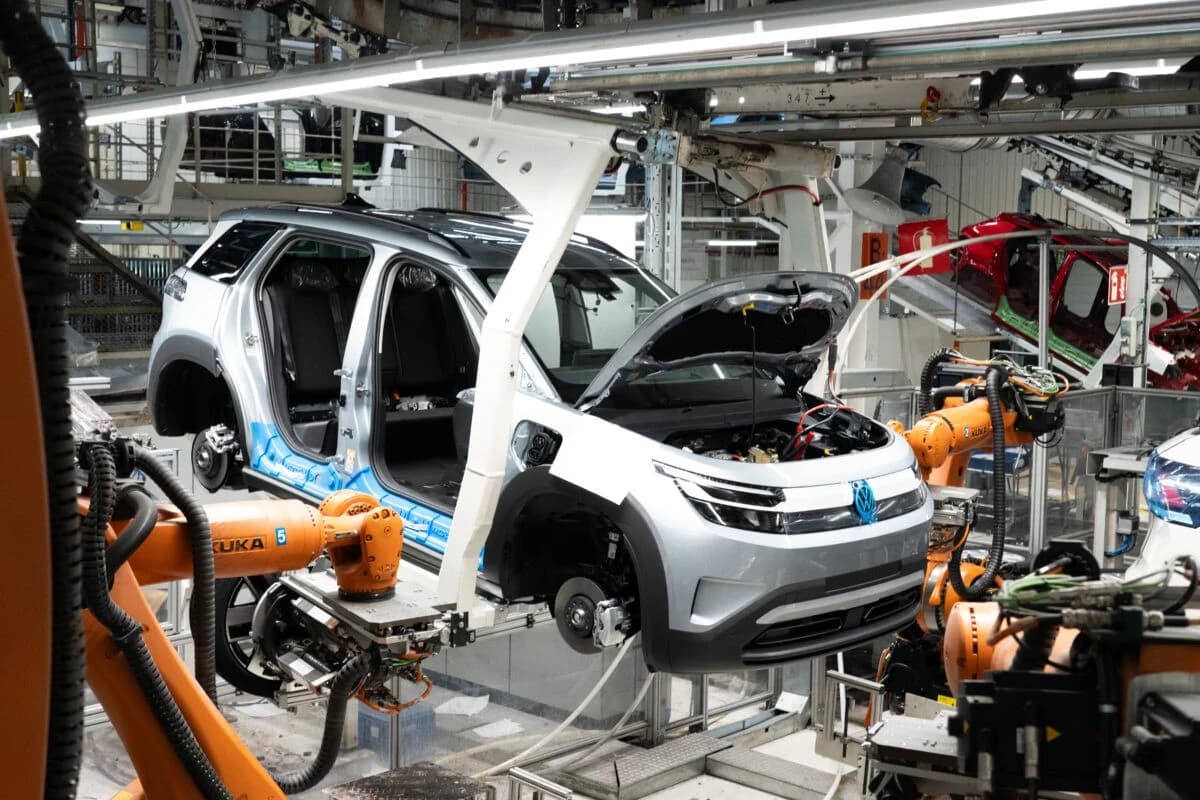
Volkswagen has started series production of the ID. Cross at its Navarra plant near Pamplona. The first vehicle is an ID. Cross Life in Nori Green, destined for the German market. The compact electric SUV is set to be offered in 34 countries.
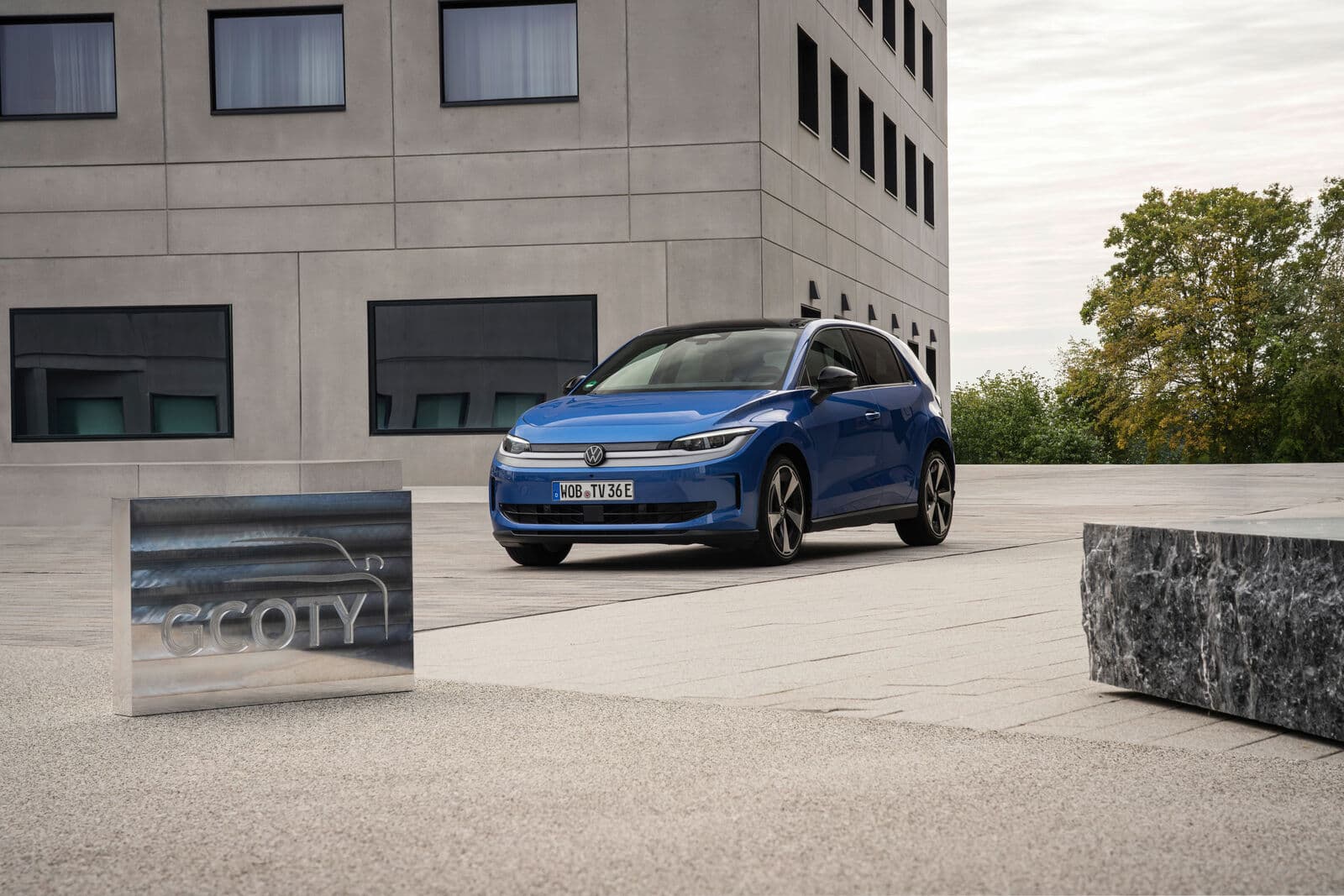
At the start of production, Volkswagen is initially building the higher-positioned Life and Style trims. The more affordable entry-level Trend version will follow later. With the ID. Cross, production is now underway for all four models in the VW Group’s new family of small electric cars.
In Navarra, the ID. Cross shares production facilities with the Skoda Epiq. The ID. Polo and the closely related Cupra Raval, meanwhile, are built in Martorell, Spain.
Prices: The entry-level model will not arrive until October
The announced starting price for the VW ID. Cross in Germany is €27,995. However, this version is not expected to become available to order until October 2026. This positions the SUV around €3,000 above the ID. Polo.
Currently, only the Life and Style trims are available. The regular price of the ID. Cross Life starts at €36,525. After factoring in VW’s purchase incentive, available until the end of September 2026, the price falls to €34,025, subject to the applicable promotional terms.
We have summarized further details about the configuration currently available in our article on the VW ID. Cross with 155 kW and a 52 kWh battery.
Three powertrains and two battery sizes
At 4.15 meters long, the ID. Cross is around 10 centimeters longer and 5 centimeters taller than the ID. Polo. It is also based on the upgraded front-wheel-drive MEB+ platform. Unlike with the ID. Polo, Volkswagen limits the choice to three power levels.
| Specification | ID. Cross 85 kW | ID. Cross 99 kW | ID. Cross 155 kW |
|---|---|---|---|
| Drivetrain | Front-wheel drive, 290 Nm | Front-wheel drive, 290 Nm | Front-wheel drive, 290 Nm |
| Usable battery capacity | 37 kWh LFP | 37 kWh LFP | 52 kWh NMC |
| WLTP range | around 316 km | around 316 km | up to 427 km |
| DC charging power | up to 90 kW | up to 90 kW | up to 105 kW |
| DC charging time from 10% to 80% | 27 minutes | 27 minutes | 24 minutes |
| AC charging power | 11 kW | 11 kW | 11 kW |
| Top speed | 150 km/h | 150 km/h | 160 km/h |
| Curb weight | 1,539 kg | 1,539 kg | 1,548 kg |
MEB+ introduces new battery and drivetrain technology
The new model family is the first to use several key technology components from MEB+. These include the Group’s standardized battery cell, which can be manufactured with different cell chemistries. Depending on the ID. Cross variant, it is used as either a cost-effective LFP battery or a higher-energy-density NMC battery.
Volkswagen is also using a cell-to-pack design. This integrates the cells directly into the battery pack without the conventional intermediate layer of individual modules. It saves installation space and can improve material efficiency, which is particularly relevant for compact, price-sensitive electric cars.
The APP290 electric motor was developed for the front-wheel-drive system. Its name refers to the 290 Nm of torque offered by all three power levels. The pulse inverter was also developed in-house and is produced within the Group.
What the charging performance means in everyday use
The small 37 kWh battery supports DC charging at up to 90 kW and, under suitable conditions, takes 27 minutes to charge from 10% to 80%. That is solid for an electric SUV used mainly in urban areas, but the larger battery remains the more convenient choice for frequent long-distance journeys.
With 52 kWh, the range increases to as much as 427 km, while the charging time falls to 24 minutes despite the larger capacity. The maximum power of 105 kW does not set any records, but maintaining the most stable possible charging curve is what matters. All variants support three-phase 11 kW charging from a wallbox.
The ID. Cross combines a genuine starting price below €30,000 with a practical SUV body, but this affordable version will not arrive until several weeks after production begins.
Navarra becomes a flexible electric-car plant
Until now, the Navarra plant produced only combustion-engine models such as the VW Taigo and VW T-Cross. In the future, electric cars and combustion-engine models can be assembled on the same line. This will allow Volkswagen to adapt production more flexibly to actual demand.
Around 5,000 employees produce more than 1,400 vehicles per day at the site. Since it was incorporated into the Volkswagen Group in 1984, more than 10 million cars have left the plant. To prepare for the additional electric model lines, the workforce completed more than 290,000 hours of training.
The start of series production also strengthens Spain’s position as a European manufacturing hub for affordable electric cars. The key factor in the model’s market success will now be how quickly Volkswagen can supply sufficient numbers of the affordable Trend version. The higher trims currently in production are priced significantly above the advertised starting price.