VW delays the ID. Buzz in the US again
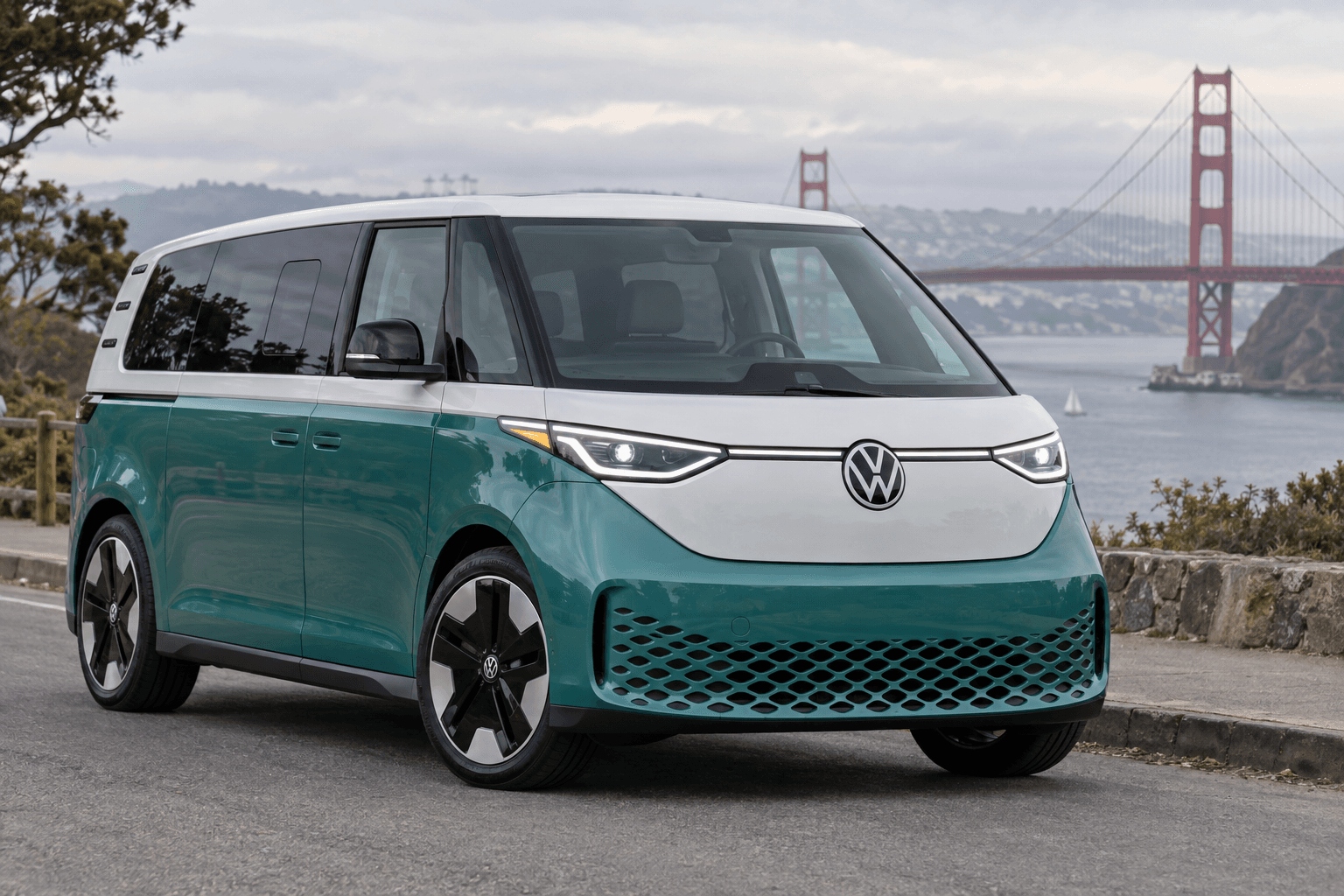
The VW ID. Buzz is taking a longer break from the US market. Instead of returning for the 2027 model year, the electric van is now set to come back for the 2028 model year, with its market launch scheduled for the first half of 2027.
This does not mean the model is being discontinued. Volkswagen remains committed to the ID. Buzz in North America and intends to combine several planned improvements into a larger update.
The additional delay is intended to allow Volkswagen to introduce new variants and key convenience features at the same time.
These updates are planned for the ID. Buzz
For the originally planned return, VW had already announced two new trim levels, revised software, and additional wheel and paint options. These also include a Tourer version geared more toward camping and leisure activities.
Two more features are now being added: bidirectional charging and a digital vehicle key. It is not yet known which standards and power levels VW will support.
| Area | Planned change |
|---|---|
| Market launch | First half of 2027 as a 2028 model-year vehicle |
| Charging port | Factory-fitted NACS port for North America |
| Software | Revised vehicle software |
| Energy | Bidirectional charging |
| Access | Digital vehicle key |
| Model lineup | Two new variants, including the Tourer |
NACS applies only to North America
The planned NACS port uses the North American charging standard established by Tesla, which has since been standardized as SAE J3400. This change has no direct significance for Germany, Austria, or Switzerland, as European vehicles will continue to use CCS2.
Bidirectional charging is more noteworthy. In the future, it could allow the battery to feed energy back into a home or the power grid. Its practical benefits, however, depend on a compatible wallbox, energy management system, and regional regulations, as developments surrounding bidirectional charging at Hyundai and Kia also demonstrate.
Price and range held back the US launch
The ID. Buzz launched in the US at a difficult time. Its starting price was just under $60,000, while its official EPA-rated range at launch was only around 377 km. EPA figures, based on the US Environmental Protection Agency’s testing procedure, are not directly comparable with Europe’s WLTP figures. Even so, the combination of price and range was unattractive to many prospective buyers.
Volkswagen sold 6,140 units in the US in 2025. For a model with strong emotional appeal and styling cues from the classic VW Bus, that was a subdued debut.
In addition, the electric van, which is built in Germany, did not qualify for the nationwide US federal tax credit of $7,500. Import tariffs on European vehicles and two temporary stop-sale orders made the launch even more difficult.
Volkswagen adjusts its US strategy
The delay is connected to a broader realignment of the electric vehicle business in the US. Expiring purchase incentives and relaxed fuel-economy standards are reducing the pressure to sell large volumes of electric models quickly.
Volkswagen also halted production of the VW ID.4 at its Tennessee plant in April and shifted capacity to higher-volume combustion-engine SUVs. This does not represent a general retreat from electric mobility, but it does show that VW is aligning its US lineup more closely with current demand.
No direct consequences for Europe for now
The postponement affects the North American market. It does not indicate a delay for Europe, as equipment, charging ports, and model planning differ significantly.
For the ID. Buzz in the US, the pause could even prove beneficial: instead of a minor model-year update, it will return with a broader technology package. The decisive factor will be whether Volkswagen improves not only the software and convenience features, but also the balance between price, range, and everyday usability.