More than 52,000 EV subsidy applications approved
Germany’s new EV subsidy is reaching a growing number of private buyers. By 1 September 2026, 52,473 subsidy applications had been approved, with around 230 million euros in funding committed.
The clear focus is on fully electric vehicles. Of all approvals, 47,986 were for fully electric cars and 4,487 for plug-in hybrids.
| Powertrain type | Approved applications | Share |
|---|---|---|
| Fully electric car | 47,986 | around 91.5% |
| Plug-in hybrid | 4,487 | around 8.5% |
| Total | 52,473 | 100% |
Volkswagen leads, Tesla ranks second
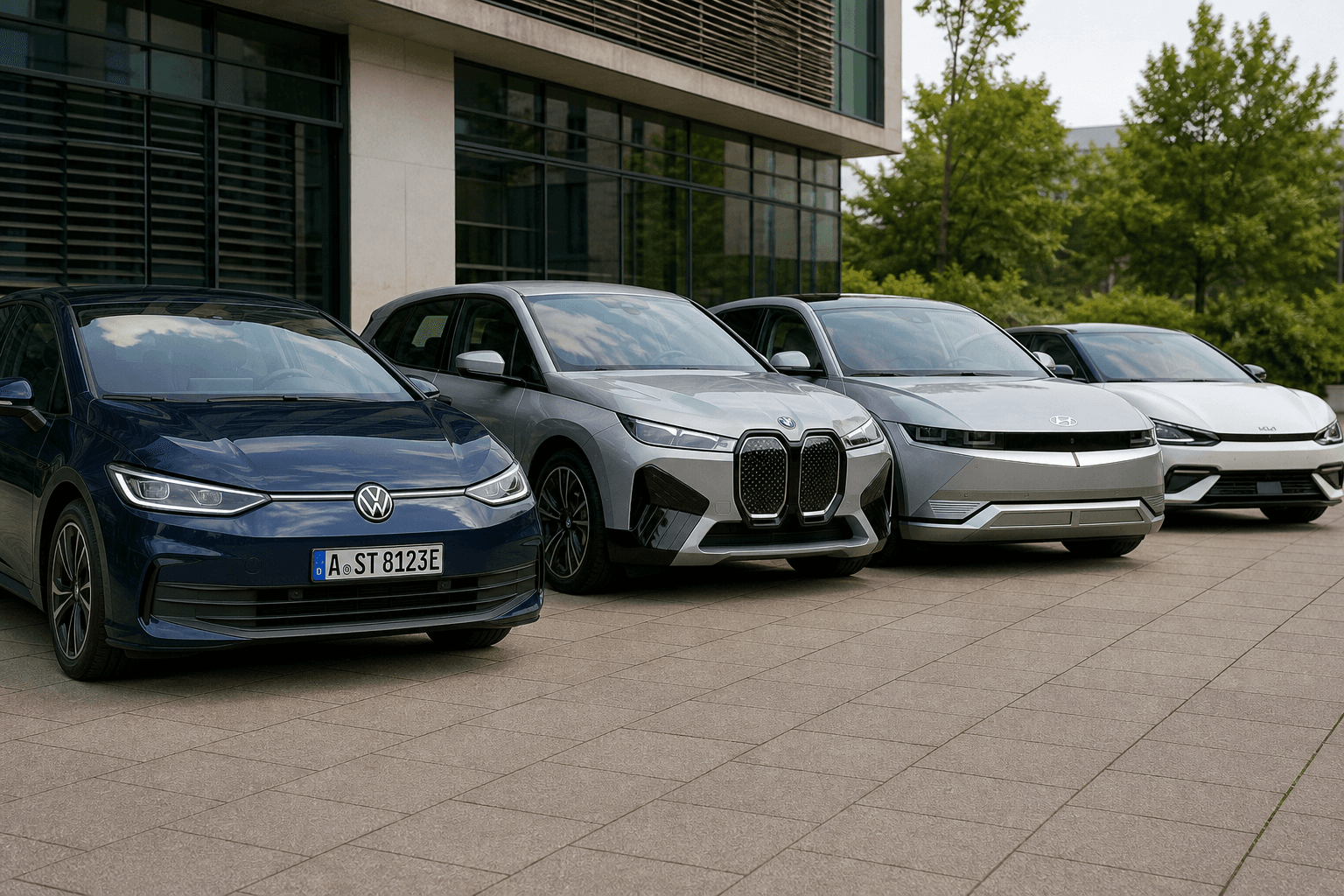
Among automakers and automotive groups, Volkswagen leads with 11,680 approved vehicles. Tesla has received 8,141 approvals, putting it in second place, followed by Stellantis and Hyundai Motor Group.
| Manufacturer or group | Approved vehicles | Share of all approvals |
|---|---|---|
| Volkswagen Group | 11,680 | around 22.3% |
| Tesla | 8,141 | around 15.5% |
| Stellantis | 7,482 | around 14.3% |
| Hyundai Motor Group | 5,705 | around 10.9% |
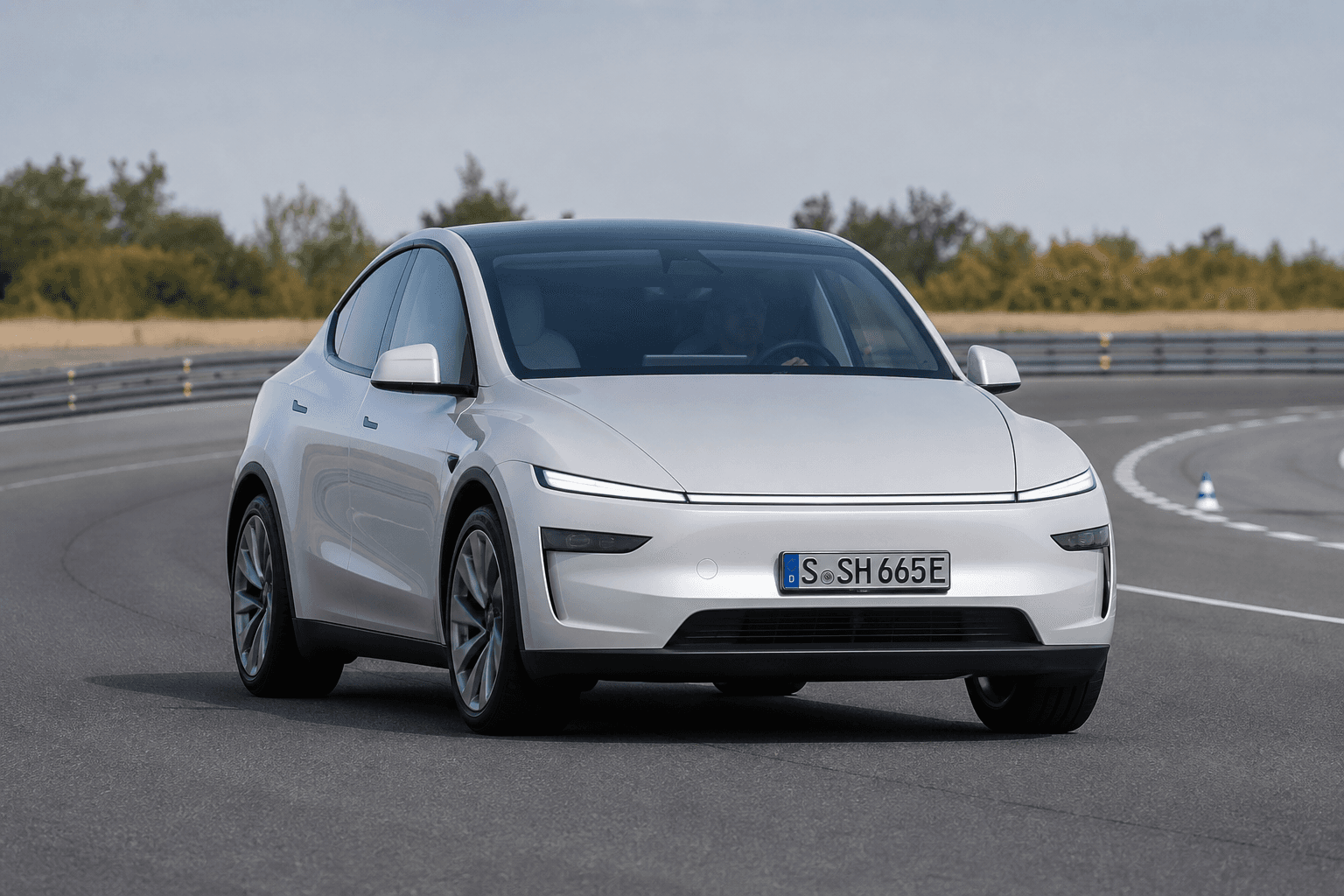
Tesla’s strong position reflects the broader market picture. The Model Y also continues to play a leading role in the 2026 EV ranking for Western Europe.
Only around one in ten new electric cars subsidised
From January through August 2026, 515,545 fully electric cars were newly registered in Germany. Compared with the 47,986 approved battery-electric vehicle applications, this equates to an estimated subsidy rate of around 9.3%.
The high number of electric-car registrations cannot be explained by the new purchase incentive alone.
The comparison shows that the market is also growing under its own momentum. This is consistent with the broader EV boom in Europe, where electric models now account for a significant share of new registrations.
Why the subsidy rate is only a rough guide
The 9.3% figure should not be understood as a final rate. The subsidy is available exclusively to private individuals within specified income limits, while registration statistics also include commercially registered vehicles. These account for a large share of Germany’s new-car market.
There is also a time lag. Applications can be submitted up to twelve months after a vehicle’s initial registration, so the number of approvals for 2026 is likely to rise further.
The programme was announced on 19 January, and applications opened on 19 May. Vehicles initially registered from 1 January 2026 are eligible retroactively, with the registration date rather than the order date determining eligibility.
Subsidies of up to 6,000 euros available
Depending on income, household size and powertrain type, the subsidy ranges from 1,500 to 6,000 euros. It is therefore specifically aimed at private households rather than being a blanket incentive for all new registrations.
A total of three billion euros will be available through 2029. Germany’s Federal Environment Ministry expects the programme to support around 800,000 vehicles over its full duration.
The figures so far show a solid start, but not a market driven solely by subsidies. Demand for fully electric cars in particular remains significantly higher than the number of subsidy approvals to date.