AUDI E5 Sportback and E7X: Chinese-market models suddenly appear in Germany
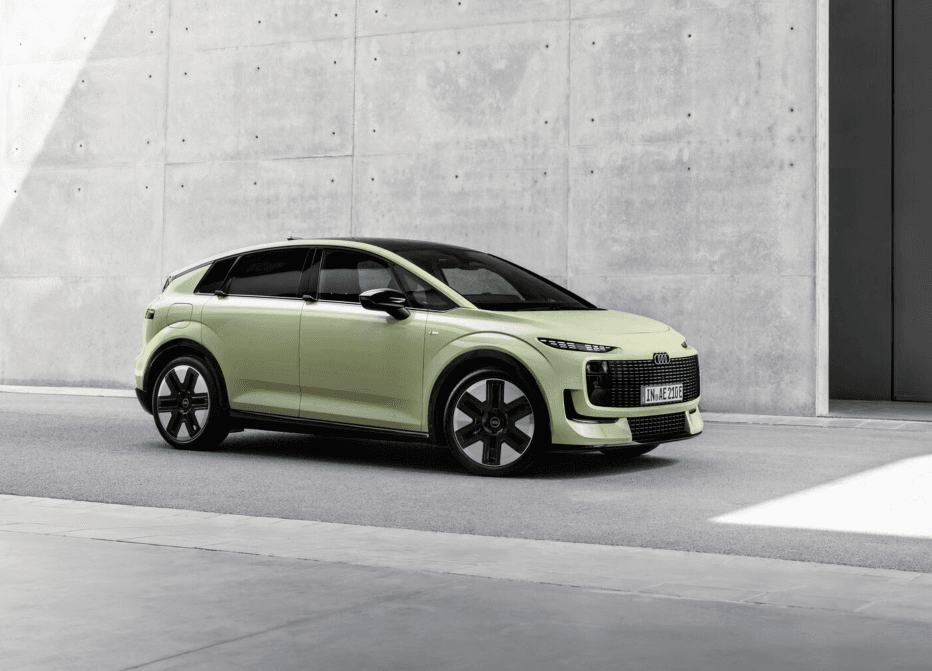
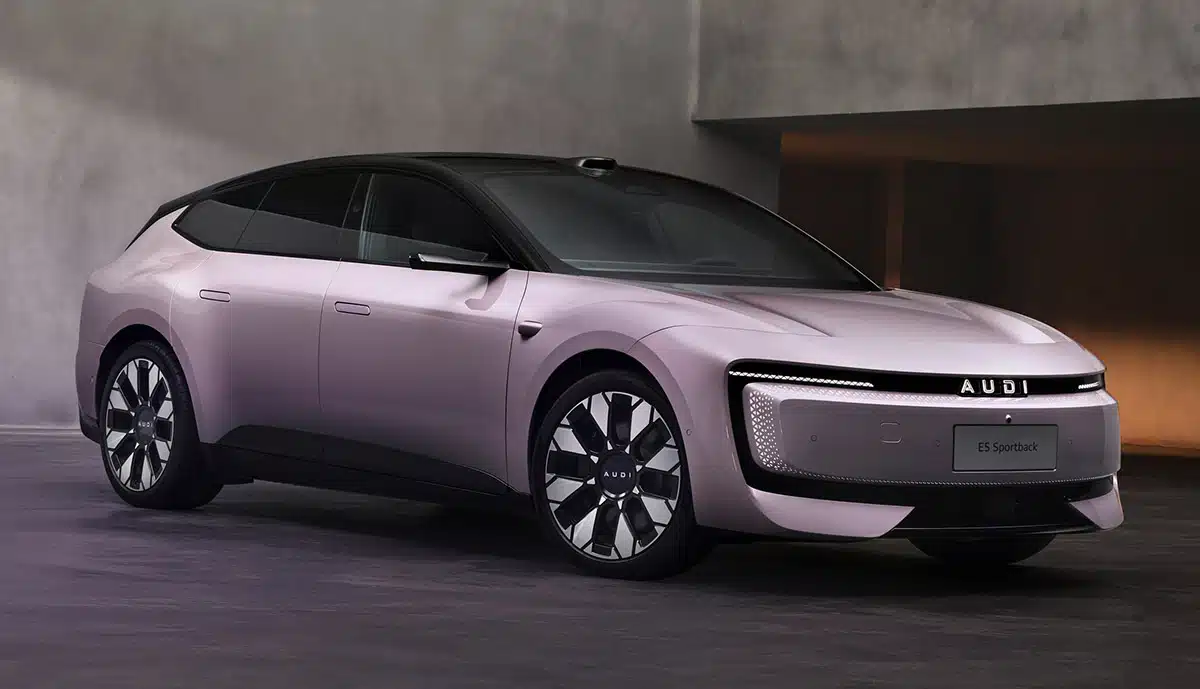
Two electric cars originally developed exclusively for China are currently being offered on the German market: the AUDI E5 Sportback and the AUDI E7X SUV. What makes them unusual is that, since 2025, Audi has not used the four rings for this model series in China, instead displaying the brand as AUDI in capital letters on the vehicle.
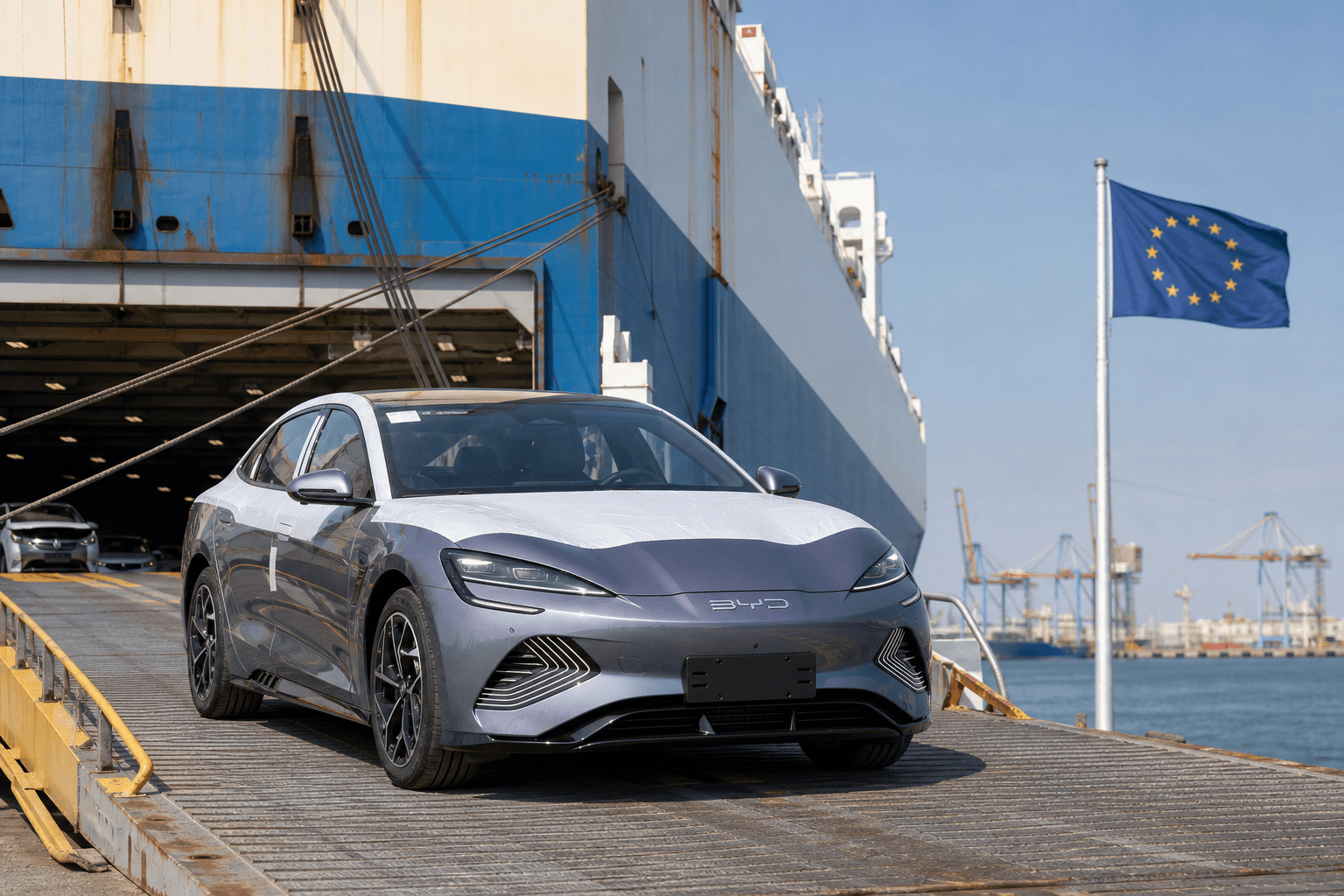
The vehicles are not coming to Germany through Audi’s regular sales network. Instead, they are being imported and prepared for registration in the country. This arrangement is precisely what makes the issue interesting and potentially risky—not technically, but primarily from a legal perspective.
What is behind the AUDI brand: joint venture, dedicated platform, focus on China
The Chinese-market models come from a partnership with Chinese manufacturer SAIC. Technically, they are based on a dedicated architecture developed jointly by the two companies and described as the Advanced Digitized Platform. They are also closely integrated with China’s local digital ecosystem, including software, services, and integrations designed for that market.
This is an important consideration for buyers in Germany, Austria, and Switzerland—the DACH region. Even if the car can be registered, its focus on China often means that certain online services, apps, or voice functions may not work here exactly as they do in the target market. In everyday use, this could range from merely having different infotainment to restricted connected services.
Prices in Germany are significantly higher than in China
According to the seller, the vehicles are being offered on the German market for €59,980 for the E5 Sportback and €72,900 for the E7X. The report says this is roughly twice the price charged in China, which is not generally unusual for imports once transportation, type approval, duties, and the importer’s margin are taken into account.
| Model | Vehicle type | Asking price in Germany | Origin/positioning |
|---|---|---|---|
| AUDI E5 Sportback | Sportback | €59,980 | China-exclusive AUDI model (SAIC partnership) |
| AUDI E7X | SUV | €72,900 | China-exclusive AUDI model (SAIC partnership) |
Type approval is one thing; trademark law is another
The seller says the vehicles will be approved for Europe and receive the necessary EU certificates and registration documents. This is the technical and administrative side of the process: lighting, driver-assistance systems, safety certificates, documentation, type-approval procedures, or individual vehicle approval, depending on the approach taken.
The greater unresolved vulnerability, however, is trademark law. Sources in the vehicle trade point out that an importer could run into difficulties if the manufacturer does not explicitly accept the import. Even if lawyers generally give the go-ahead, a residual risk with tangible consequences reportedly remains, potentially including very severe action against the sale of the vehicles.
The key issue is not so much whether the car may be driven, but whether it may be placed on the market under the relevant brand in this way.
How Audi views the situation
Audi itself has not commented in detail on this specific import operation. Its position remains that the AUDI vehicles developed jointly with SAIC were created specifically for Chinese customers and are intended exclusively for that market.
At the same time, there appears to be demand, and the first sales have reportedly already taken place. This demonstrates how attractive Chinese-market models can be to some buyers, whether because of their equipment, software-focused design, or simply because they are new Audi-related products that are not officially available here—at least not yet.
What does this mean for prospective buyers in Germany, Austria, and Switzerland?
If you are considering buying such an imported vehicle, it is worth taking a very sober look at the risks. In addition to the usual import issues, such as warranty claims, software updates, and spare-parts availability, there is also a legal dimension in this case.
Arguments in favor
- Rare models with a dedicated platform and a China-specific digital focus.
- If the type-approval process has been completed properly, the vehicles can generally be registered for everyday use.
Arguments against
- Residual trademark-law risk if the manufacturer does not explicitly consent to the import.
- Uncertainty surrounding digital services, updates, and support because the vehicle was built for China.
Assessment: Gray-market imports are nothing new, but software quickly makes things more complicated
Parallel imports have always existed, but connected electric cars make the situation more complex. Online features, app connectivity, and backend services are now often just as important as the battery and charging performance. If a service is discontinued or blocked in a particular region, it can significantly reduce everyday convenience.
If you are generally interested in this subject, it is also worth reading our article on the AUDI E5 and E7X from China in Europe. For useful background, see Electric-car connector types explained: A straightforward guide to AC and DC charging, especially if an imported vehicle raises questions about charging standards and documentation.