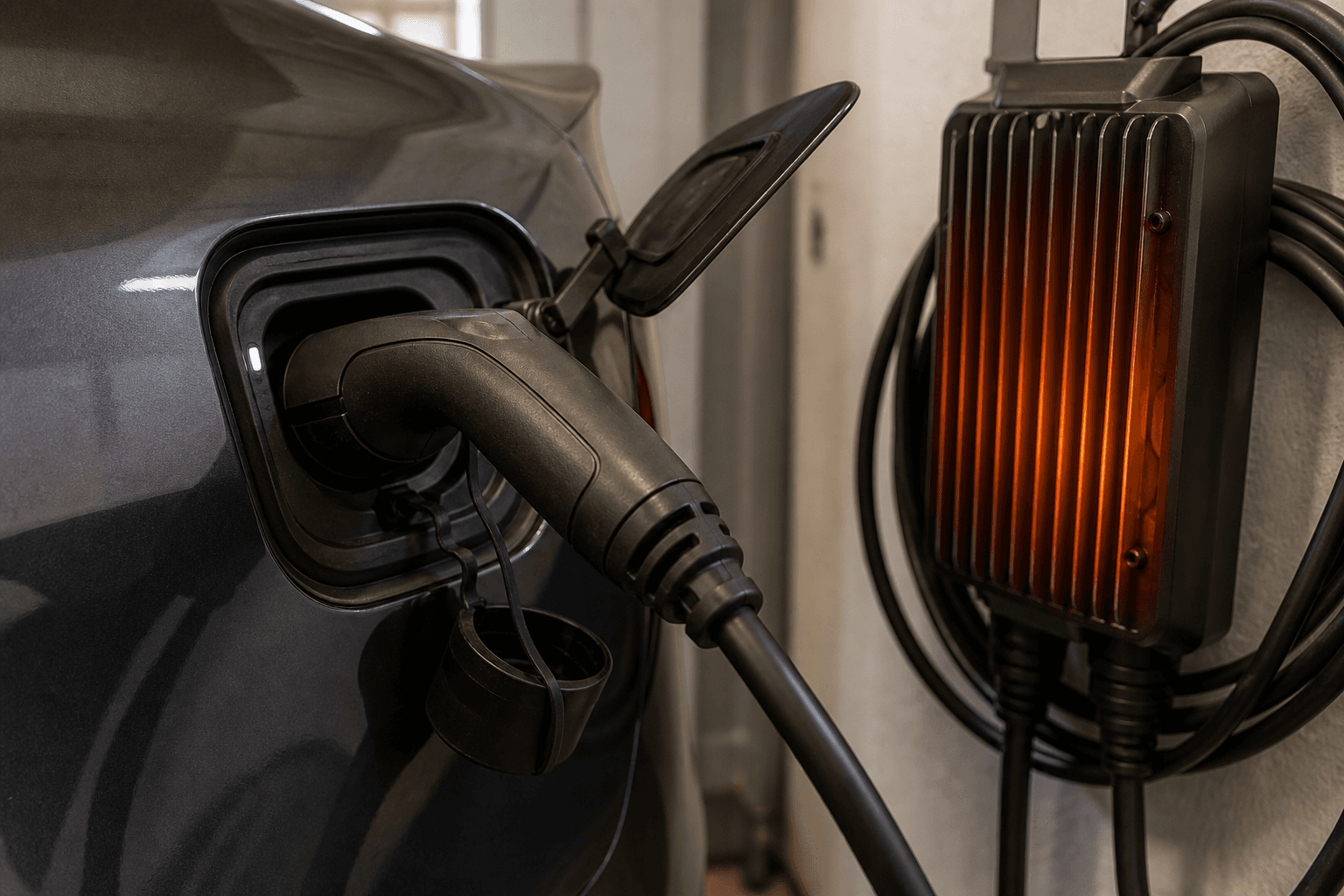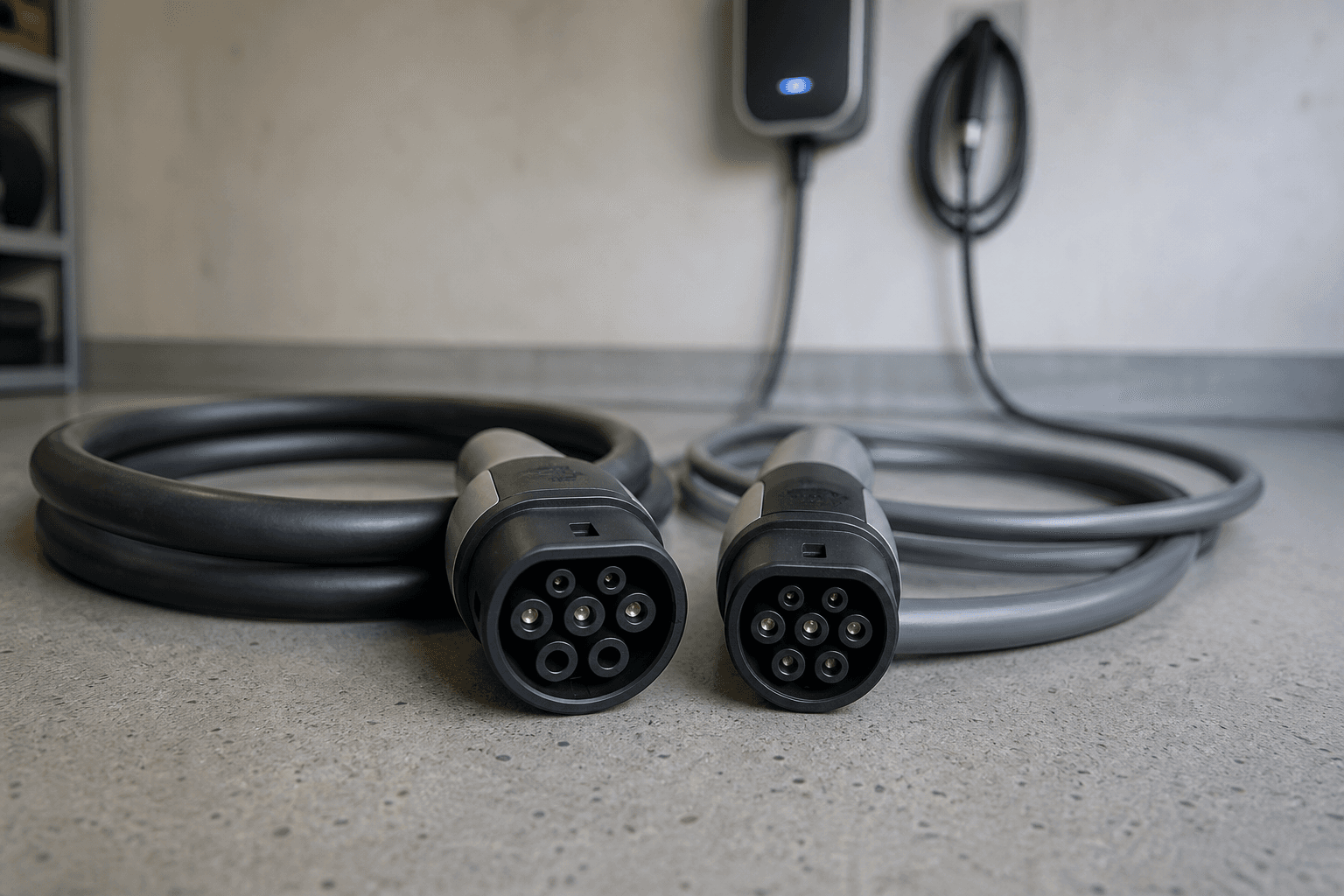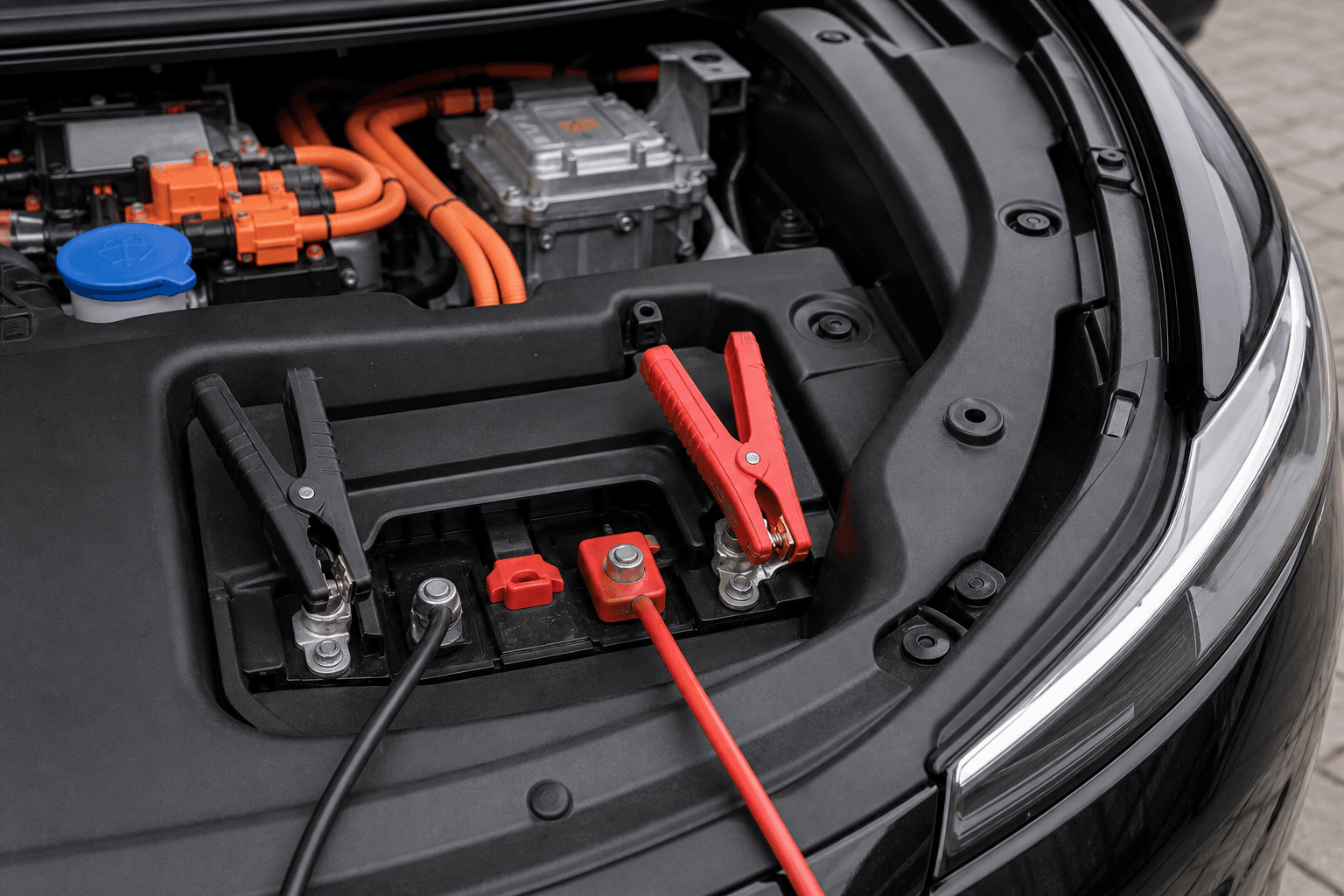
In addition to the large high-voltage battery, electric cars have a small 12-volt battery. Among other things, it powers the control units, central locking, lights, and safety systems. Most importantly, it enables the high-voltage system. If the 12-volt battery is dead, the vehicle may not become ready to drive even if the traction battery is charged.
Jump-starting an EV involves only the 12-volt system. Never work on orange high-voltage cables or components.
How can you tell if the 12-volt battery is dead?
A failure does not always provide advance warning. The car may still work normally when parked and then fail to respond at all the next morning. Typical symptoms can be distinguished from problems with the high-voltage system.
| Observation | Possible cause |
|---|---|
| Vehicle cannot be unlocked with the remote control | 12-volt battery is severely discharged |
| Displays remain dark or flicker | Supply voltage is too low |
| Relays click, but driving mode does not activate | High-voltage contactors cannot close |
| Numerous unrelated warning messages appear | Control units are reacting to low voltage |
| The traction battery has sufficient charge, but the car still will not move | Fault in the 12-volt system or its charging equipment |
If the central locking system fails, the mechanical emergency key inside the remote key will often help. The owner’s manual shows where to find the door lock and jump-start terminals. Depending on the model, the 12-volt battery itself may be installed under the hood, in the trunk, or beneath a cover.
Why does the battery go flat?
While the vehicle is ready to drive, the small battery is charged from the high-voltage battery through a DC-DC converter. Some vehicles also recharge it while parked. Nevertheless, it can discharge because of aging, cold temperatures, long periods of inactivity, control units that remain permanently active, or aftermarket accessories. A fault in the DC-DC converter is another possible cause.
After a one-off failure, the battery should therefore not automatically be replaced without further investigation. If the problem recurs, a specialist workshop should check the battery, parasitic current draw, software version, and charging system.
Before jump-starting: Check the safety instructions and manual
The owner’s manual for the specific model always takes precedence. Some electric cars have special connection points or use a low-voltage lithium battery instead of a lead-acid battery. Different procedures may apply to these systems.
- Use only a suitable 12-volt jump-starting power source
- Do not jump-start a battery that is damaged, leaking, or visibly swollen
- Do not attempt to jump-start the vehicle if there are accident, fire, or high-voltage warnings
- Do not touch orange cables or high-voltage components
- Never reverse the positive and negative terminals
A suitable jump starter is generally easier to use than a second vehicle. Whether a particular electric car may itself be used as the donor vehicle is stated in its manual. Many manufacturers prohibit this because the 12-volt system is not designed to handle high starting currents for another vehicle.
How to jump-start an EV
The following sequence describes the usual procedure. If the vehicle manual specifies a different procedure, follow the manufacturer’s instructions exclusively.
- Secure the vehicle: Set the selector to Park, engage the parking brake, and switch off electrical equipment. The two vehicles must not touch.
- Locate the connection points: Use the owner’s manual to identify the designated positive terminal and grounding point. Do not assume that the battery itself is directly accessible.
- Connect the positive cable: First attach the red clamp to the positive terminal of the disabled EV, then attach the other end to the positive terminal of the power source.
- Connect the negative cable: First connect the black clamp to the negative terminal of the power source. Attach the other end to the designated grounding point on the EV unless the manual specifies otherwise.
- Activate the jump-starting source: Switch on the jump starter or operate the power source according to its instructions. Then start the EV normally until the instrument panel indicates that it is ready to drive.
- Remove the cables: Once the vehicle has started successfully, disconnect the cables in reverse order. The clamps must not touch each other or any moving components.
If the car does not enter the ready-to-drive state after a few attempts, stop the procedure. Repeated attempts can strain the cables, battery, or vehicle electronics. Calling roadside assistance is then the safest option.
What should you do after a successful jump-start?
Ready-to-drive state established → the DC-DC converter can once again power the 12-volt system. How long the vehicle should remain ready to drive or be driven depends on the model. Consult the owner’s manual for the appropriate procedure.
A deeply discharged or aging battery may not recover permanently after the vehicle has been ready to drive for only a short time. Have its condition checked promptly, especially if the car displays further warning messages or fails to respond again the next day. The battery may be charged separately only with a charger suitable for its battery technology and in accordance with the manufacturer’s instructions.
When should you call roadside assistance?
Professional assistance is advisable if the connection points are unclear, the vehicle has a low-voltage lithium battery, or there is visible damage. The same applies after an accident or if there is a burning smell, unusual heat, smoke, or a high-voltage warning. In these situations, keep your distance and do not attempt any work on the vehicle yourself.