Geely E5 Switches to an 800-Volt Platform
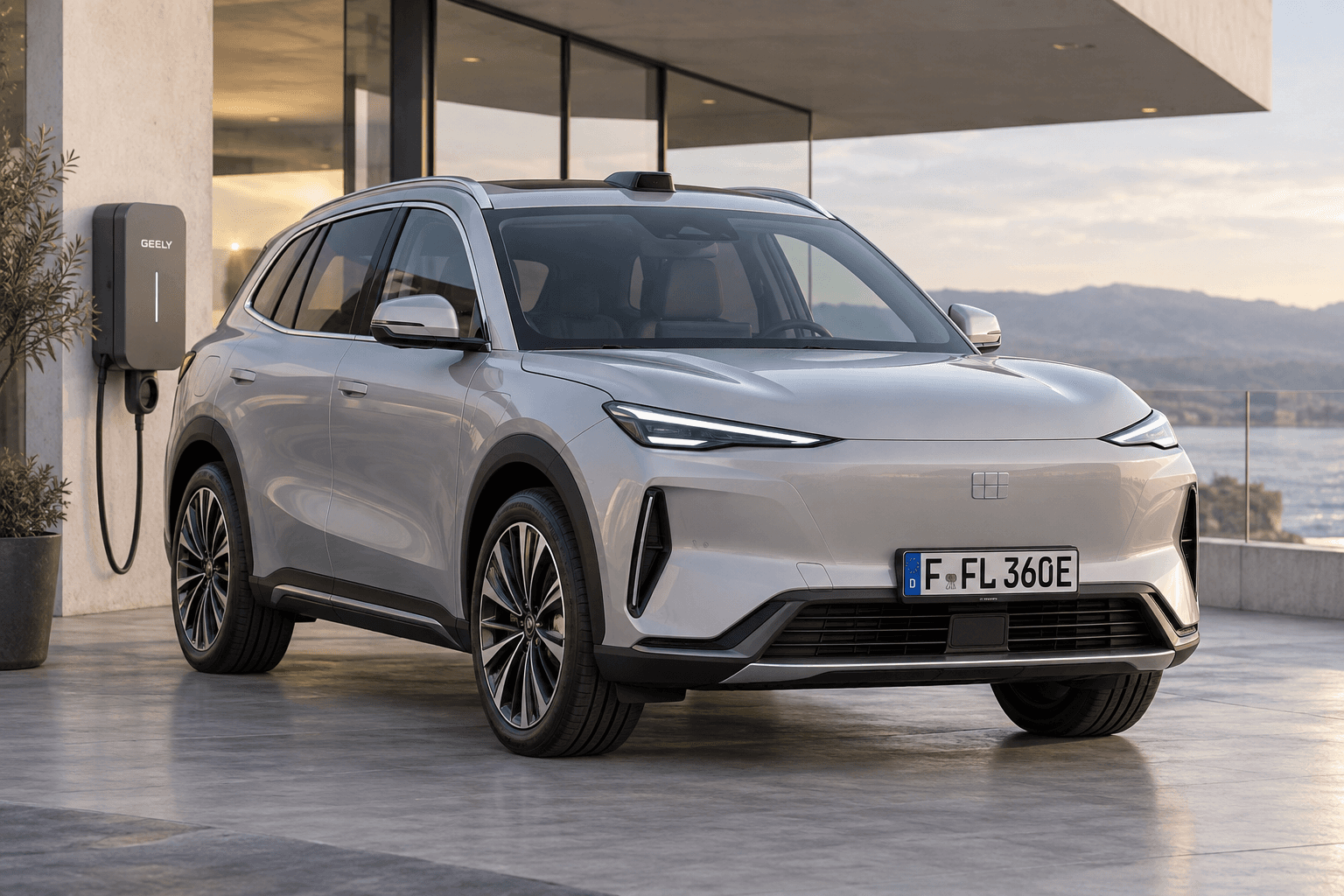
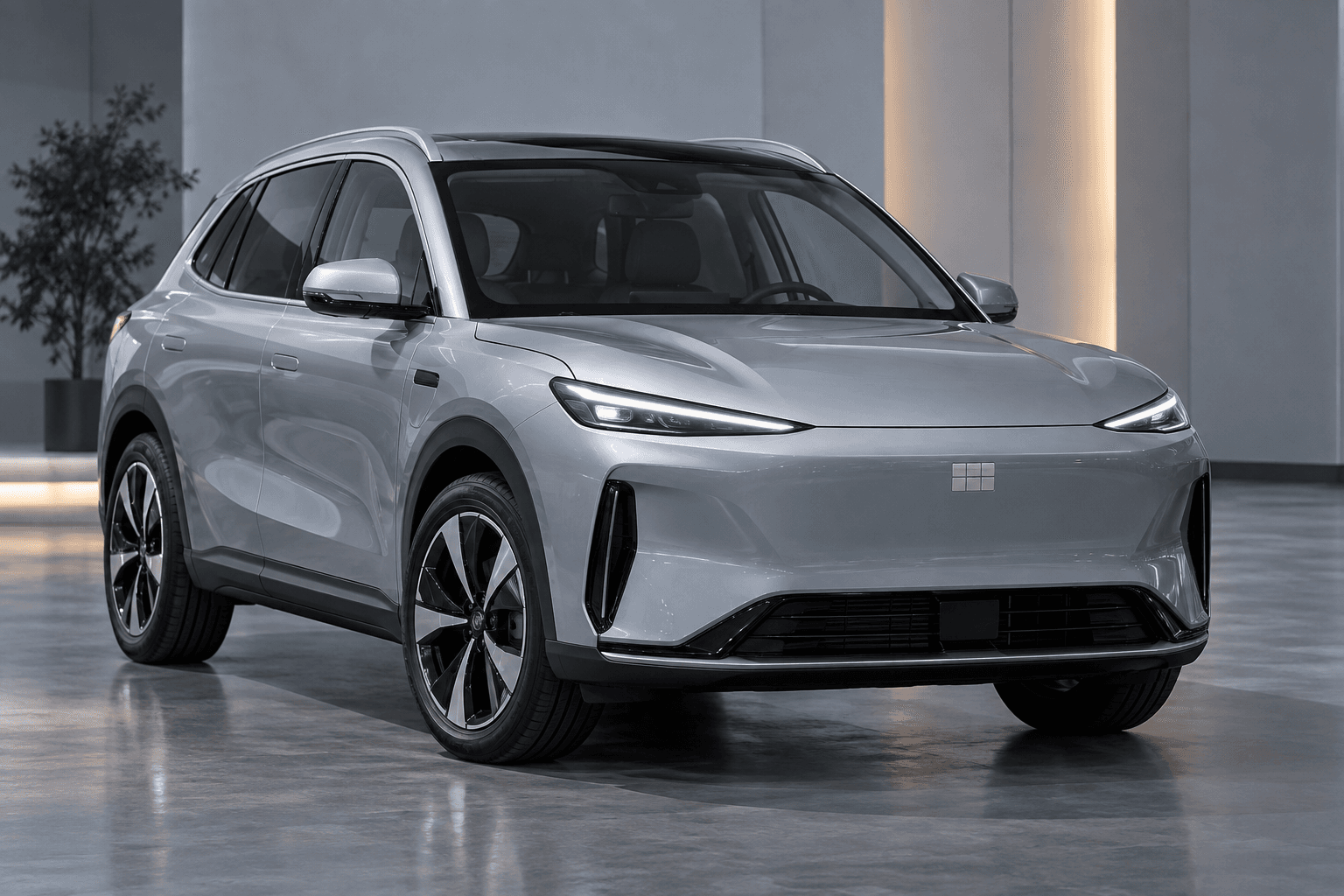
Geely is preparing an extensive technical upgrade for the E5. The 4.63-meter-long electric SUV is set to use an 800-volt architecture in the future and deliver up to 245 kW in its most powerful version. Its European market launch is currently expected in 2027.
The basic design will apparently remain largely unchanged. The key changes involve the battery, power electronics, and drivetrain. Geely is therefore following the current trend among Chinese manufacturers of significantly upgrading existing models technologically without introducing a completely new vehicle design every time.
More Power With the Same 70 kWh Battery
The flagship model is expected to feature a 245 kW electric rear-wheel-drive system. Compared with the current drivetrain, this would represent a significant increase of more than 70 kW. Acceleration and top-speed figures have not yet been announced.
The larger battery is still expected to have a capacity of 70 kWh. Rather than promising additional range through a larger energy store, Geely is apparently relying on a more efficient drivetrain and optimized power electronics. The preliminary target is around 521 km according to WLTP.
| Specification | New Geely E5 |
|---|---|
| Vehicle length | 4.63 meters |
| Electrical system | 800 volts |
| Maximum power | 245 kW |
| Flagship version drivetrain | Rear-wheel drive |
| Battery capacity | 70 kWh |
| Planned range | around 521 km WLTP |
| Frunk | 160 liters |
| Expected European launch | 2027 |
800 Volts Alone Does Not Guarantee Record Charging Times
The new voltage level provides the technical basis for higher charging power, lower currents, and thinner high-voltage cables. This can reduce weight, heat generation, and charging losses. However, the real-world benefit depends on the battery cells, cooling, charging curve, and preconditioning.
The current Geely E5 can charge at up to 135 kW on DC power. The new version is likely to clearly exceed that figure, but no specific peak charging power or charging time has yet been announced. Switching to 800 volts therefore does not automatically mean extremely short charging stops, as shown by our comparison of 800-volt and 400-volt systems.
What matters is not only the maximum kW figure, but also how long the battery can sustain high charging power.
160-Liter Frunk and Revised Interior
One practical detail is the announced 160-liter frunk. That is an unusually large amount of storage space under the hood for an electric SUV of this size. Charging cables, bags, or smaller items of luggage could be stored there without taking up space in the trunk.
Geely is also revising the interior. The changes include a more rounded steering wheel and redesigned button panels. Conventional door handles are also expected to be part of the package, which is often more convenient in everyday use than fully retractable or exclusively electronic solutions.
Geely Targets Europe’s Popular SUV Segment
At 4.63 meters long, the E5 will enter a highly competitive market. There, it will face numerous electric family SUVs from European, Korean, and Chinese manufacturers. Our comparison of electric compact SUVs for 2026 provides an overview of relevant alternatives.
For Volkswagen and other established manufacturers, the E5 is particularly noteworthy because of its combination of an 800-volt system, powerful rear-wheel drive, and large frunk. Even so, it will only be possible to speak of a technological lead once Geely publishes charging power, the charging curve, energy consumption, and European prices. Availability, the service network, and software quality will also play an important role in the German-speaking DACH region of Germany, Austria, and Switzerland.
Assessment of the Geely E5
On paper, the Geely E5 is evolving from a relatively conventional electric SUV into a technologically ambitious model. The 800-volt platform in particular could make a noticeable difference on long-distance journeys. At the same time, the unchanged battery size shows that Geely does not simply want to gain more range by adding battery weight.
However, important questions will remain unanswered until the expected European launch in 2027. Only confirmed charging times, consumption figures, and prices will show how competitive the overall package really is.