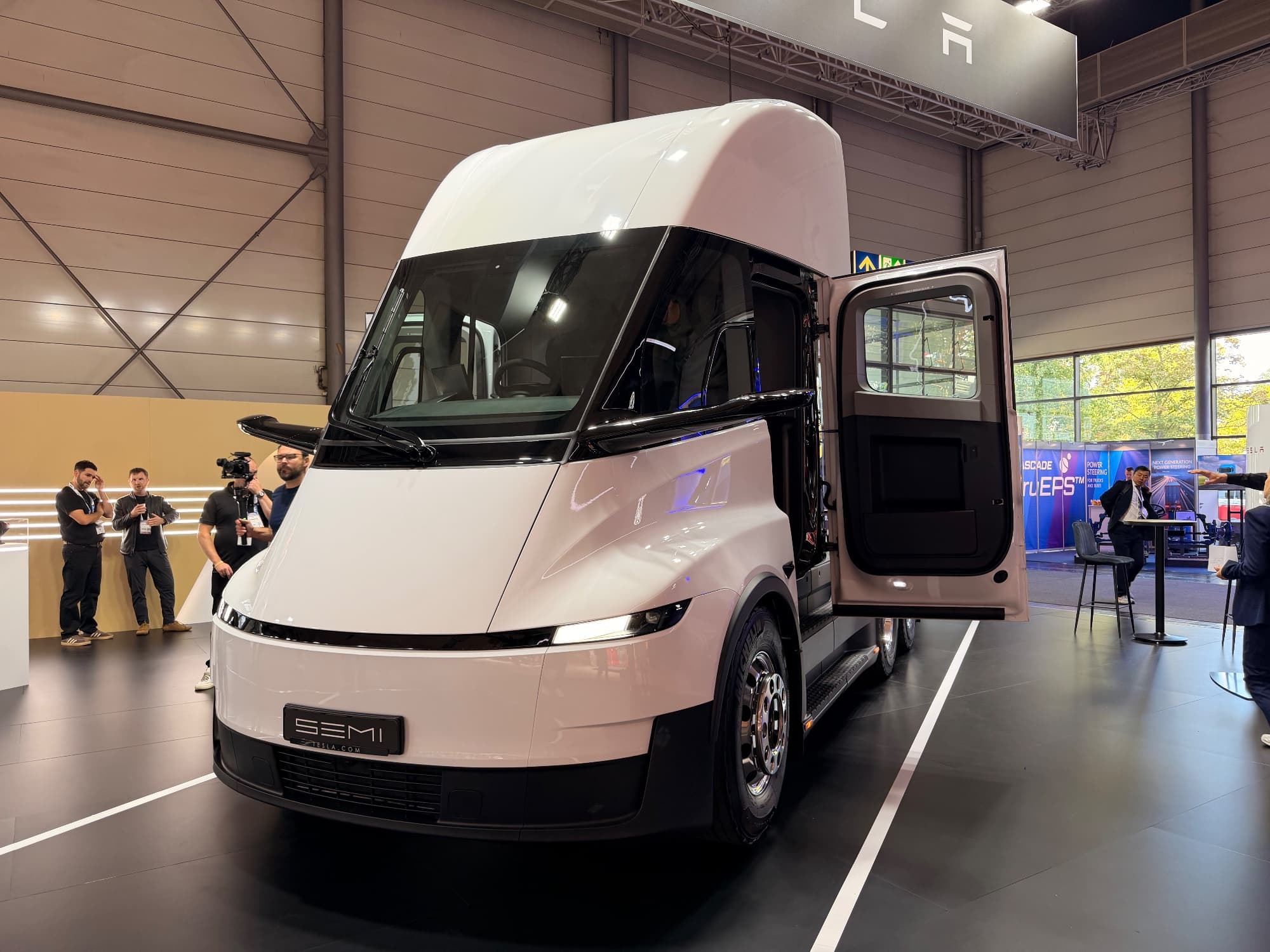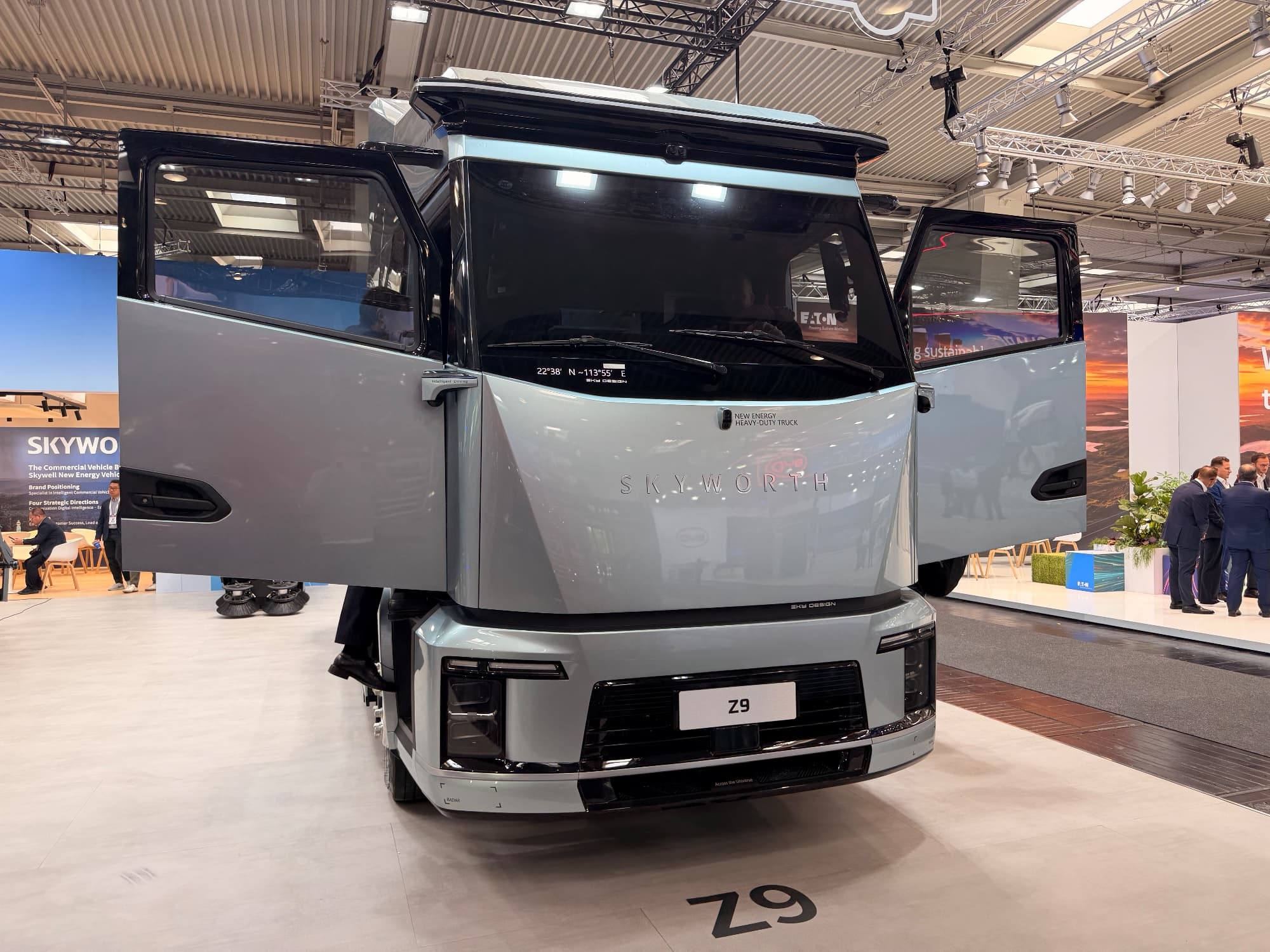
We at ElektroQuatsch attended IAA Transportation 2026 in Hanover and took a look at the latest electric trucks and delivery vehicles from various brands. They range from heavy-duty tractor units for long-haul transport to compact vans for urban deliveries. Alongside established manufacturers, the many Chinese companies making their European ambitions clear are particularly striking. Seven models and concepts especially caught our attention.
Skyworth Z9
The Skyworth Z9 is celebrating its world premiere at IAA Transportation 2026. It is also Skyworth’s first appearance at the commercial vehicle trade show in Hanover. The manufacturer, previously known in Germany primarily for televisions and a handful of electric cars, is presenting a heavy-duty electric tractor unit with a 6×4 drivetrain.
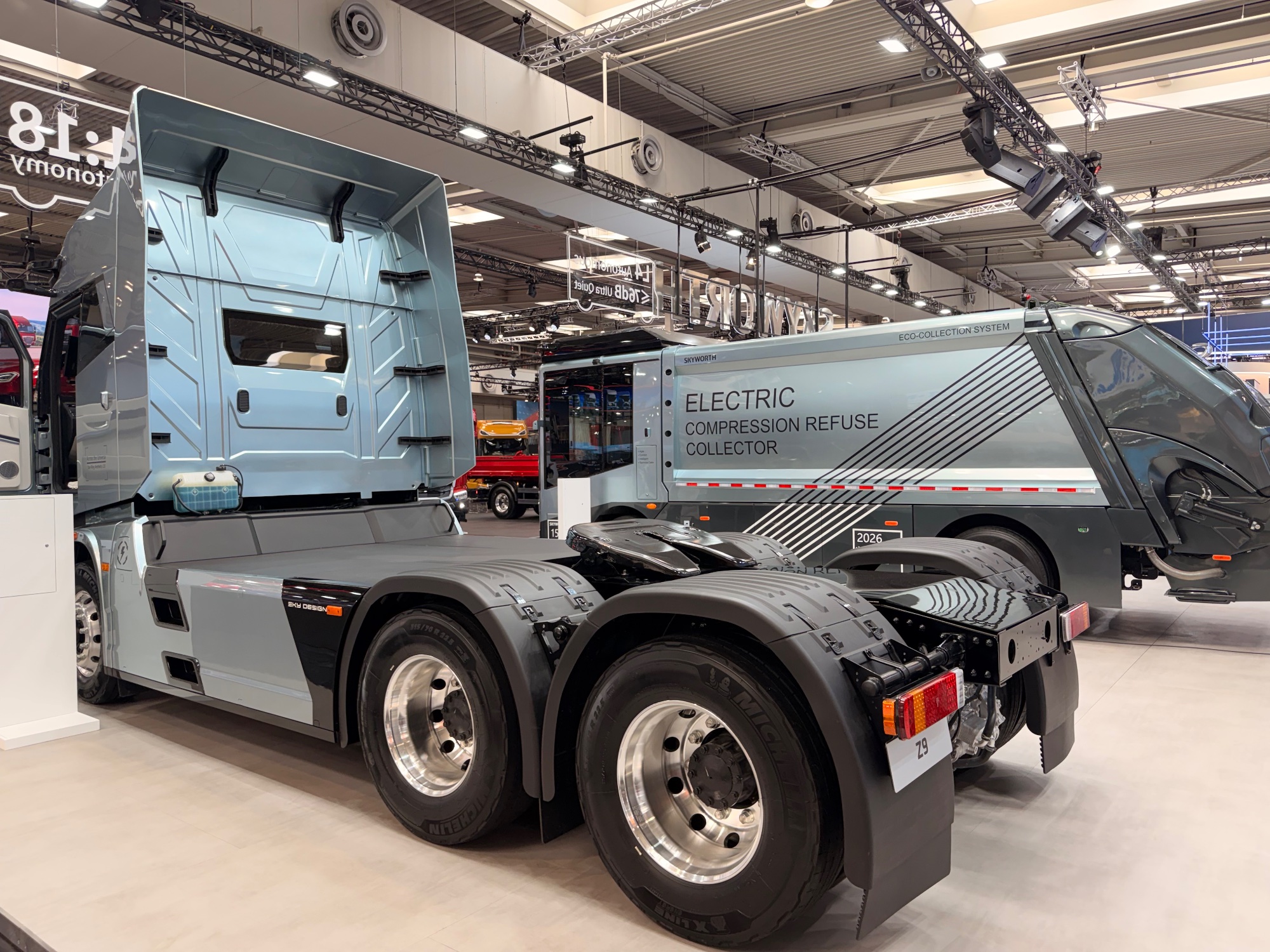
According to the manufacturer, the Z9 has a 400 kWh LFP battery. Its two electric motors are expected to deliver a combined 610 kW and maximum torque of 1,160 Nm. No reliable figures are yet available for range, charging power, payload, or a possible European market launch. Without these figures, the Z9 cannot yet be directly compared with established European long-haul trucks.
A key part of the concept is its announced Level 4 autonomous operation. According to Skyworth, this would allow the truck to operate in defined environments without continuous supervision by a driver. For now, this remains a technological prospect, as regulations, infrastructure, and specific operating areas will determine whether and where the function can actually be used. Nevertheless, the Z9 is one of the most striking examples of how confidently new manufacturers are pushing into Europe’s commercial vehicle market.
Mercedes eActros 600
The Mercedes eActros 600 on display in Hanover is much closer to a production vehicle. We were able to examine the electric long-haul tractor unit up close. Unlike many concept vehicles, the eActros 600 is already designed for regular freight operations and high daily mileages.
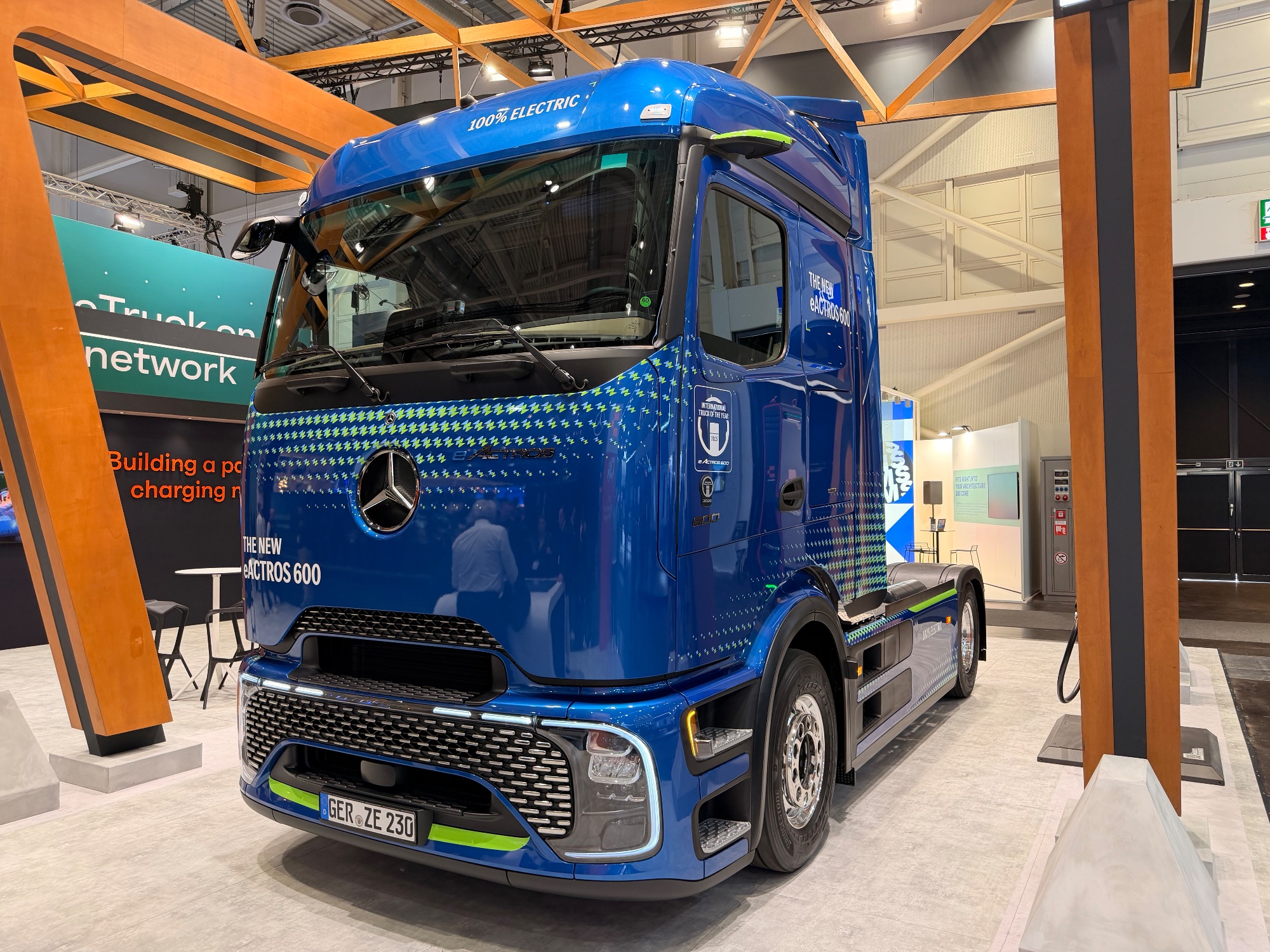
According to Mercedes-Benz Trucks, the eActros 600 has three LFP battery packs with a combined installed capacity of 621 kWh. The manufacturer claims a range of more than 500 kilometers without intermediate charging. By recharging during legally required breaks, daily distances of more than 1,000 kilometers should be possible, provided suitable charging infrastructure is available along the route.
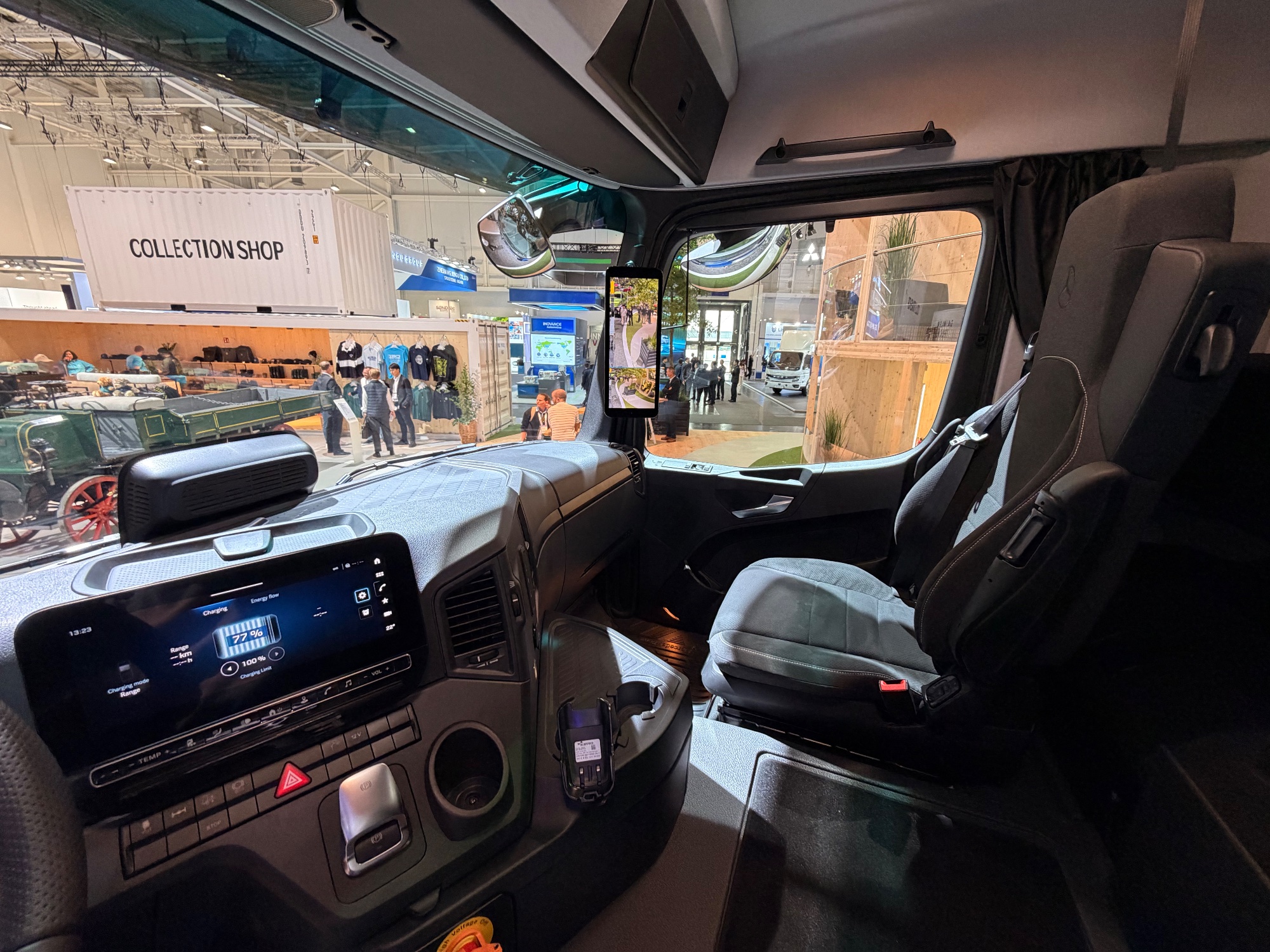
According to the manufacturer, the vehicle will initially support CCS charging at up to 400 kW. It is also being prepared for the Megawatt Charging System. In the future, this should allow the battery to charge from 20% to 80% in around 30 minutes at approximately one megawatt. The eActros 600 therefore demonstrates that electric long-haul transport does not depend on battery size alone. The interaction between range, break planning, and reliable truck charging hubs is crucial. Considerable work is still needed on precisely this infrastructure before widespread adoption can occur.
FAW TLX 2036
The FAW TLX 2036 focuses less on a near-term market launch and more on a long-term vision for freight transport. Even the model name refers to the year 2036. Accordingly, the vehicle appears at the show as a vision of the future rather than a production truck available to order immediately.
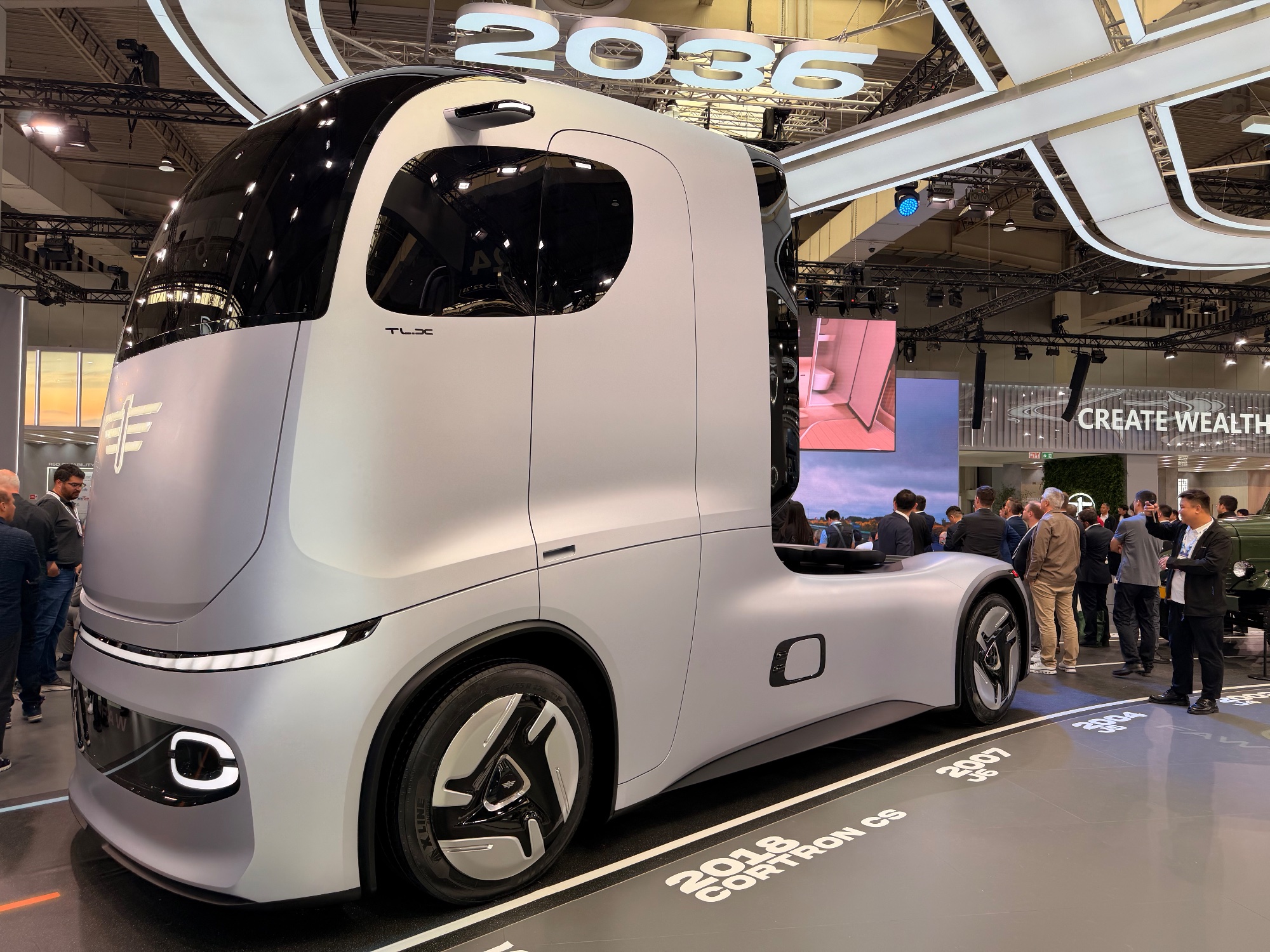
We examined the TLX 2036 at the trade show booth. However, no reliable manufacturer figures were available to us for battery capacity, range, charging power, or payload. A technical comparison with the eActros 600, Tesla Semi, or Skyworth Z9 would therefore be speculative at this point.
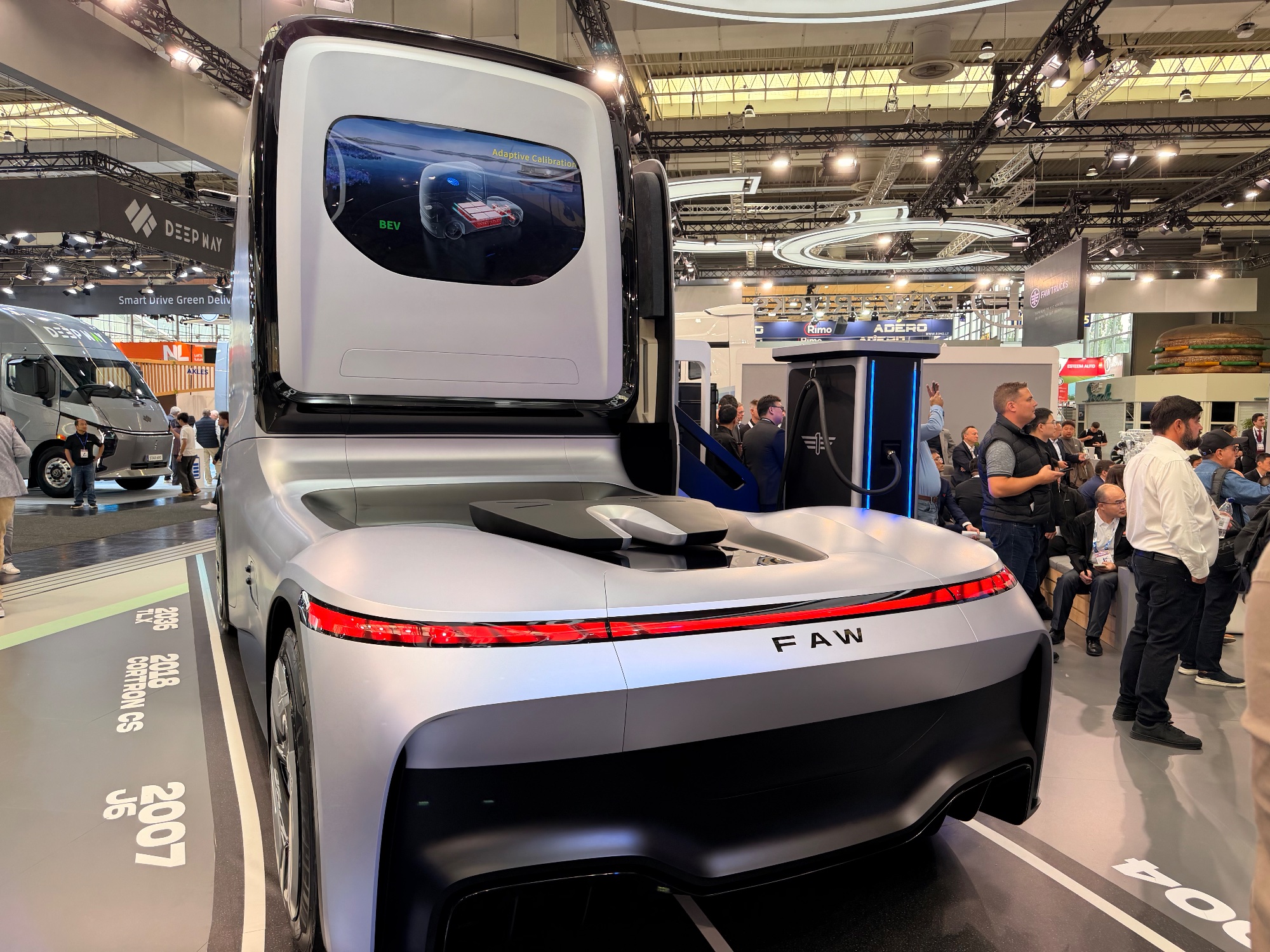
It is nevertheless interesting to see which topics FAW addresses with a concept like this. Future truck platforms are not just about electric powertrains, but also automated driving functions, greater fleet connectivity, and the most efficient possible use of the available installation space.
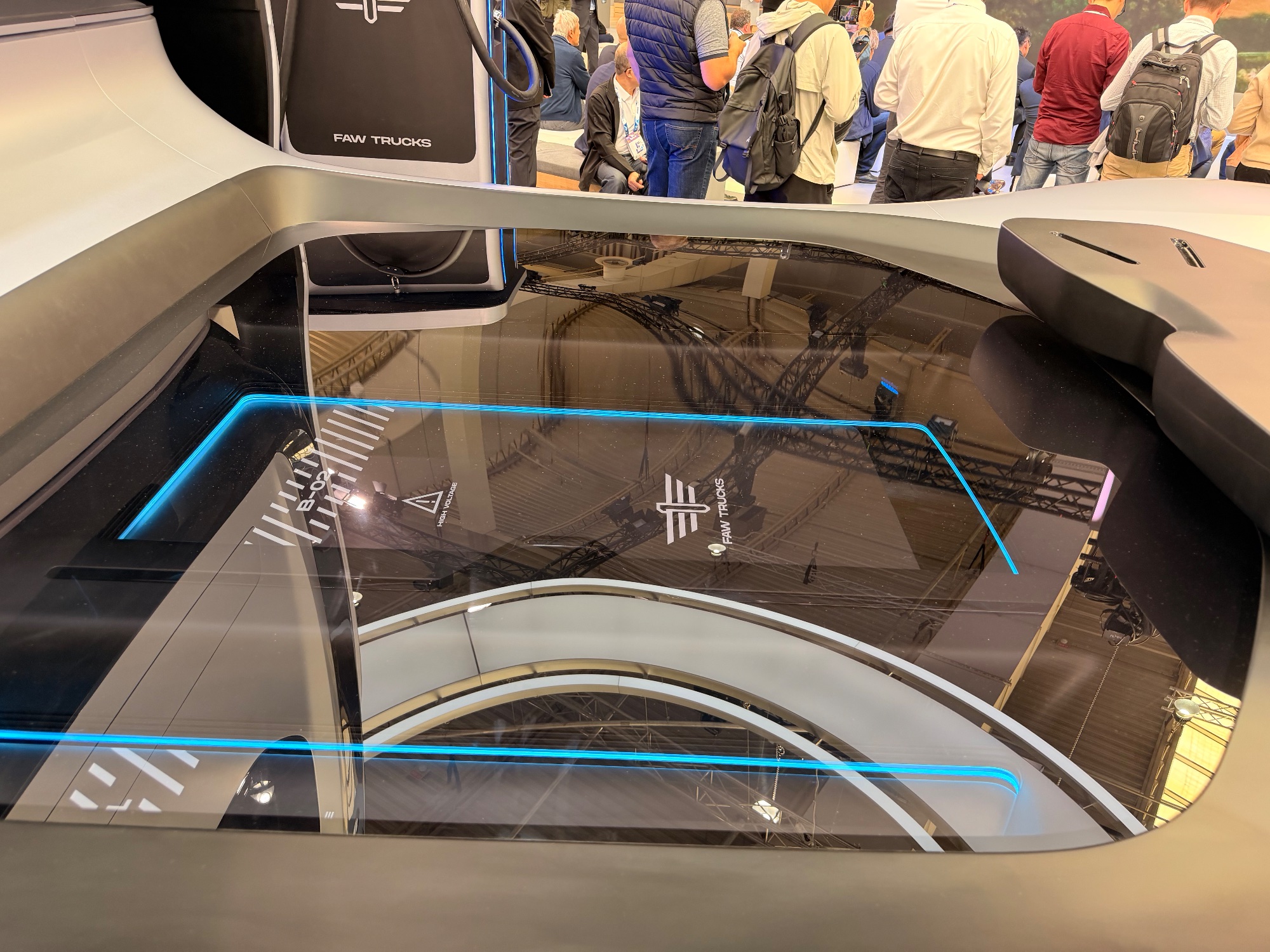
Ultimately, however, freight companies need specific figures. These include payload, total cost of ownership, charging time, maintenance requirements, and the availability of a service network. A design study does not yet answer these questions.
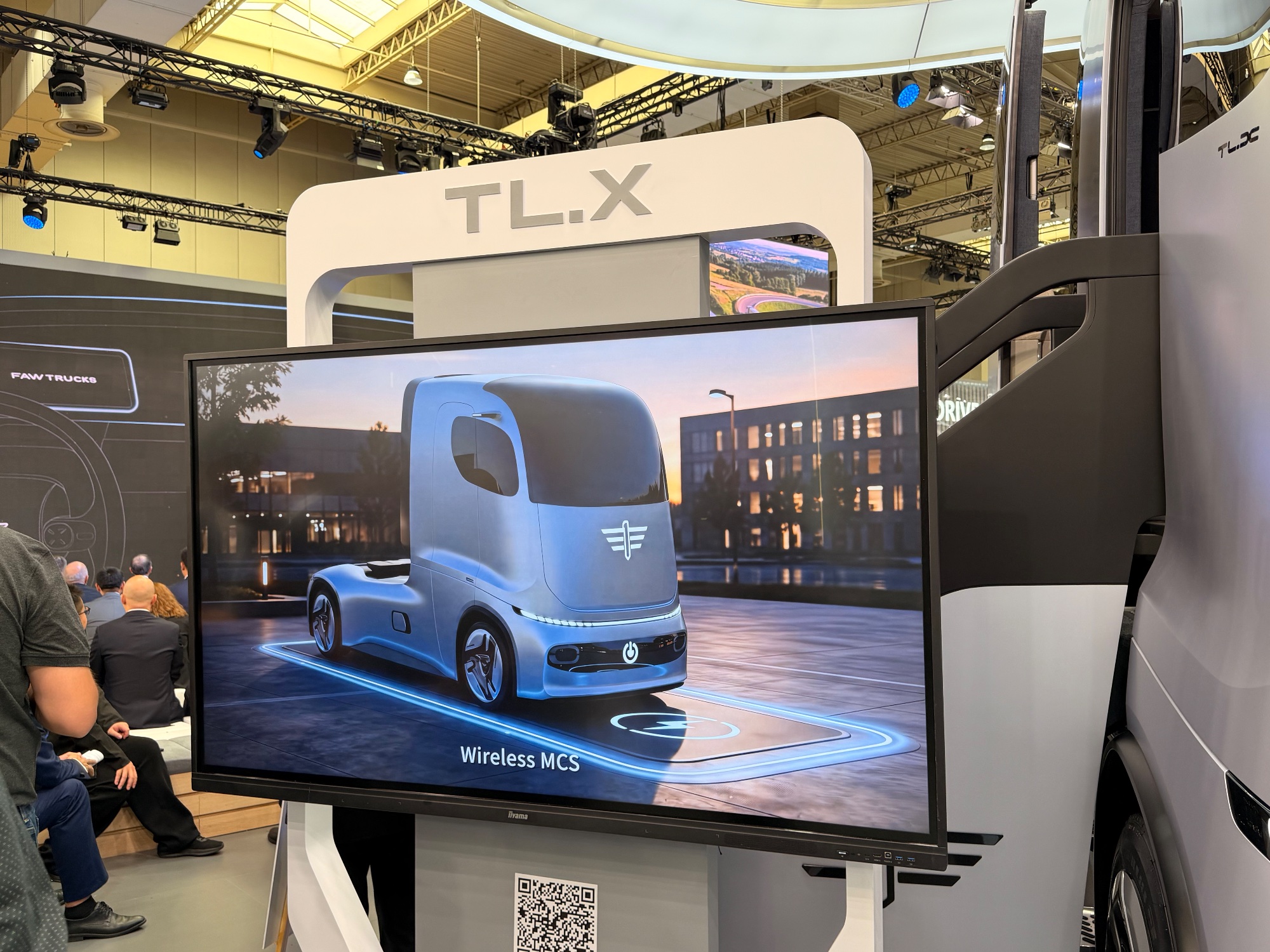
The TLX 2036 should therefore primarily be viewed as a preview. It illustrates how FAW envisions heavy road freight transport in around ten years. Whether individual solutions will later make their way into a production vehicle remains to be seen.
Tesla Semi for Europe
The Tesla Semi is no longer an entirely new vehicle, but the European version is one of the show’s key new developments. We took a look at the truck in Hanover. Its central driving position and driver-focused basic concept continue to set it clearly apart from conventional European tractor units.
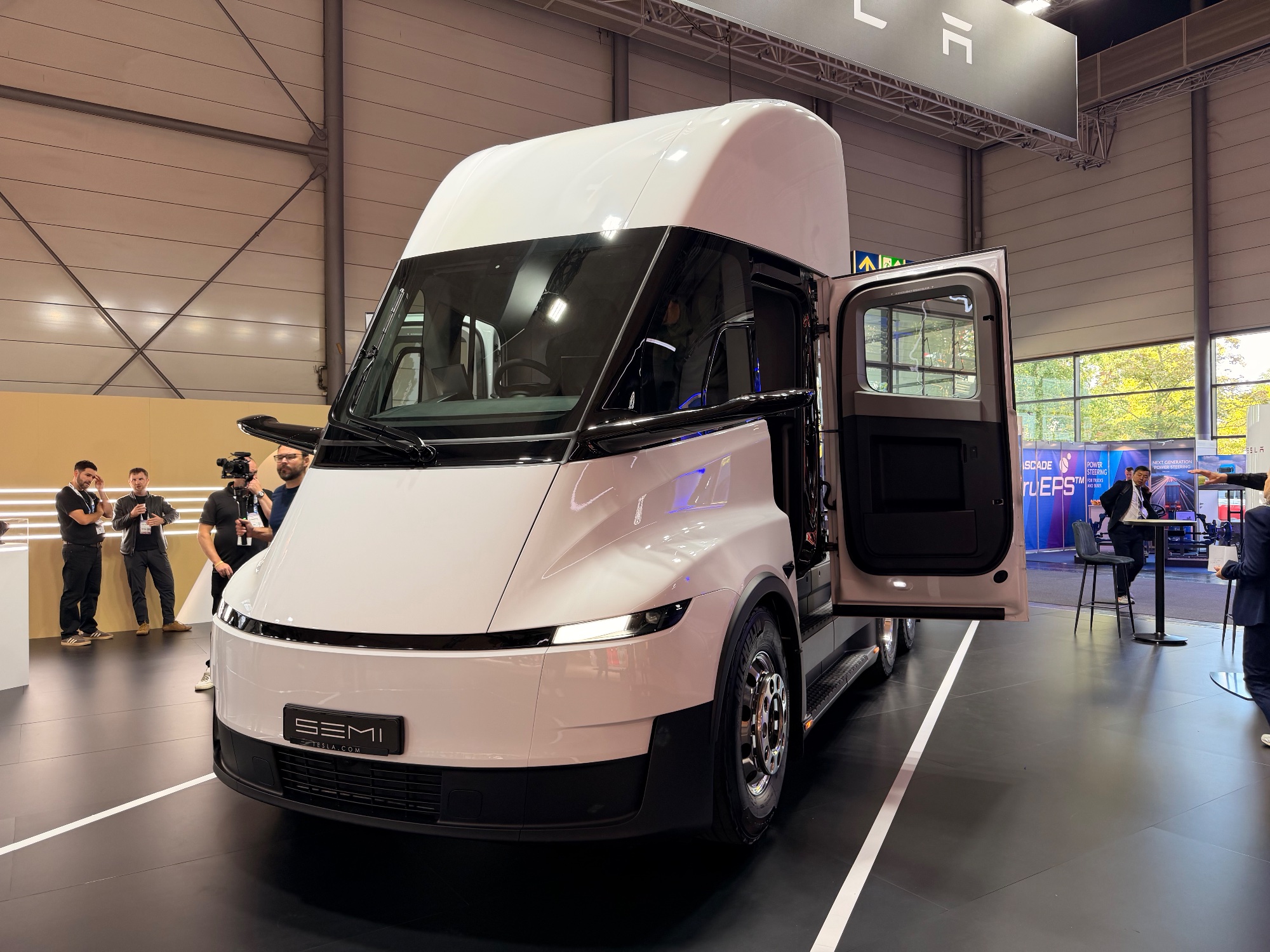
According to figures published to date, the European Tesla Semi is expected to offer up to 800 kW of power and a range of around 550 kilometers. This places it roughly on par with the lower-range US version. For the longer-range US version, by contrast, Tesla claims approximately 800 kilometers. Direct comparisons between the figures are limited because of differing operating conditions and testing methods.
| Version | Range according to figures published to date | Assessment |
|---|---|---|
| Tesla Semi Europe | around 550 km | Designed for European weights and route profiles |
| Tesla Semi US, Standard | around 480 km | Lower-range US option |
| Tesla Semi US, Long Range | around 800 km | Higher-range US option |
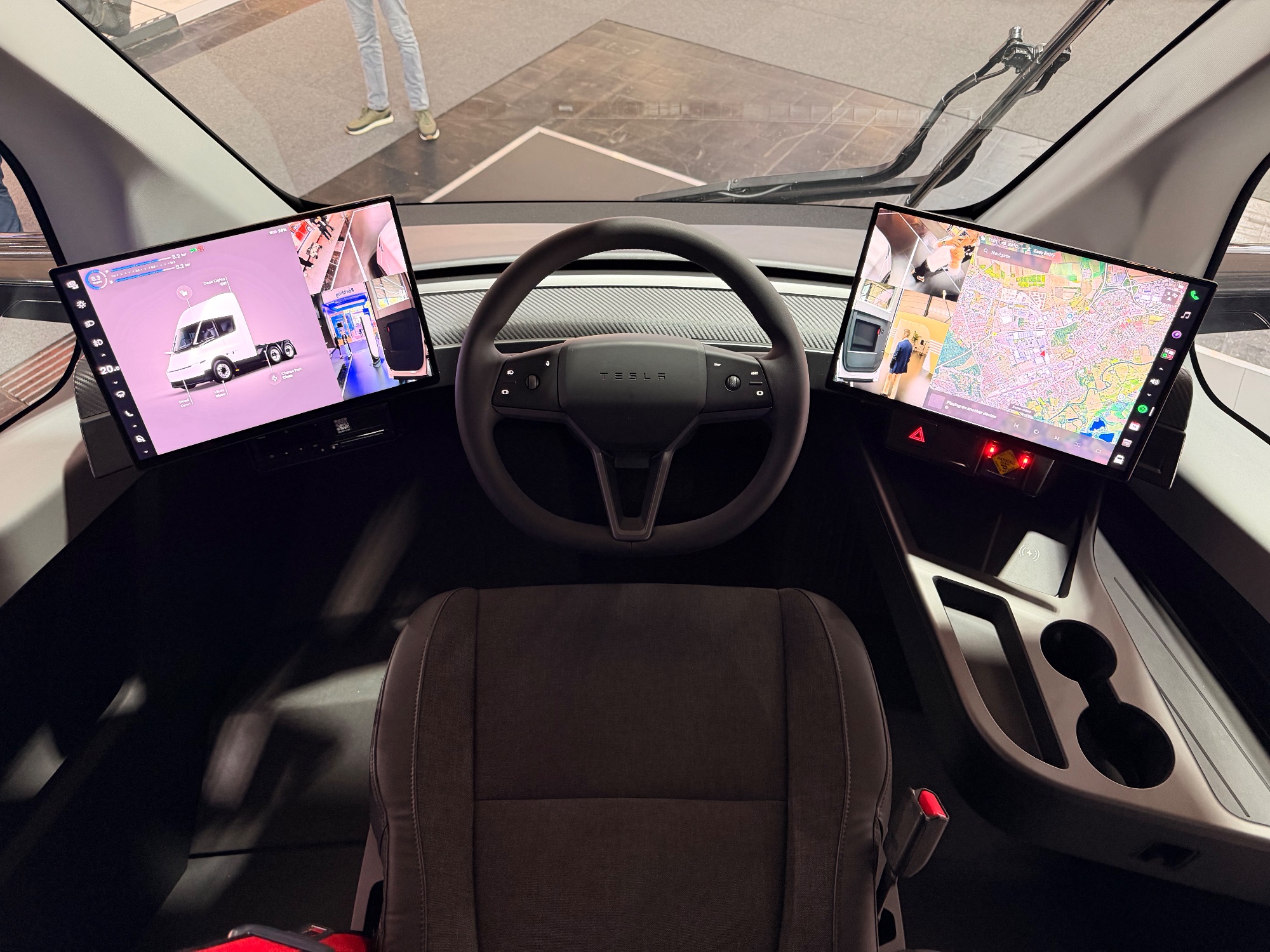
Tesla is also planning its own charging network for heavy commercial vehicles. In Europe in particular, the speed at which enough locations can be established along major long-haul routes will be crucial. Tesla has not yet announced a binding price or a precise European delivery date. You can find more background information in our Tesla Semi coverage.
BYD ETH28
BYD is now firmly established in the European passenger car market, but it also has major plans for the commercial vehicle sector. With the ETH28, the company is presenting an electric logistics solution for commercial use in Hanover. We examined the vehicle at the trade show booth.
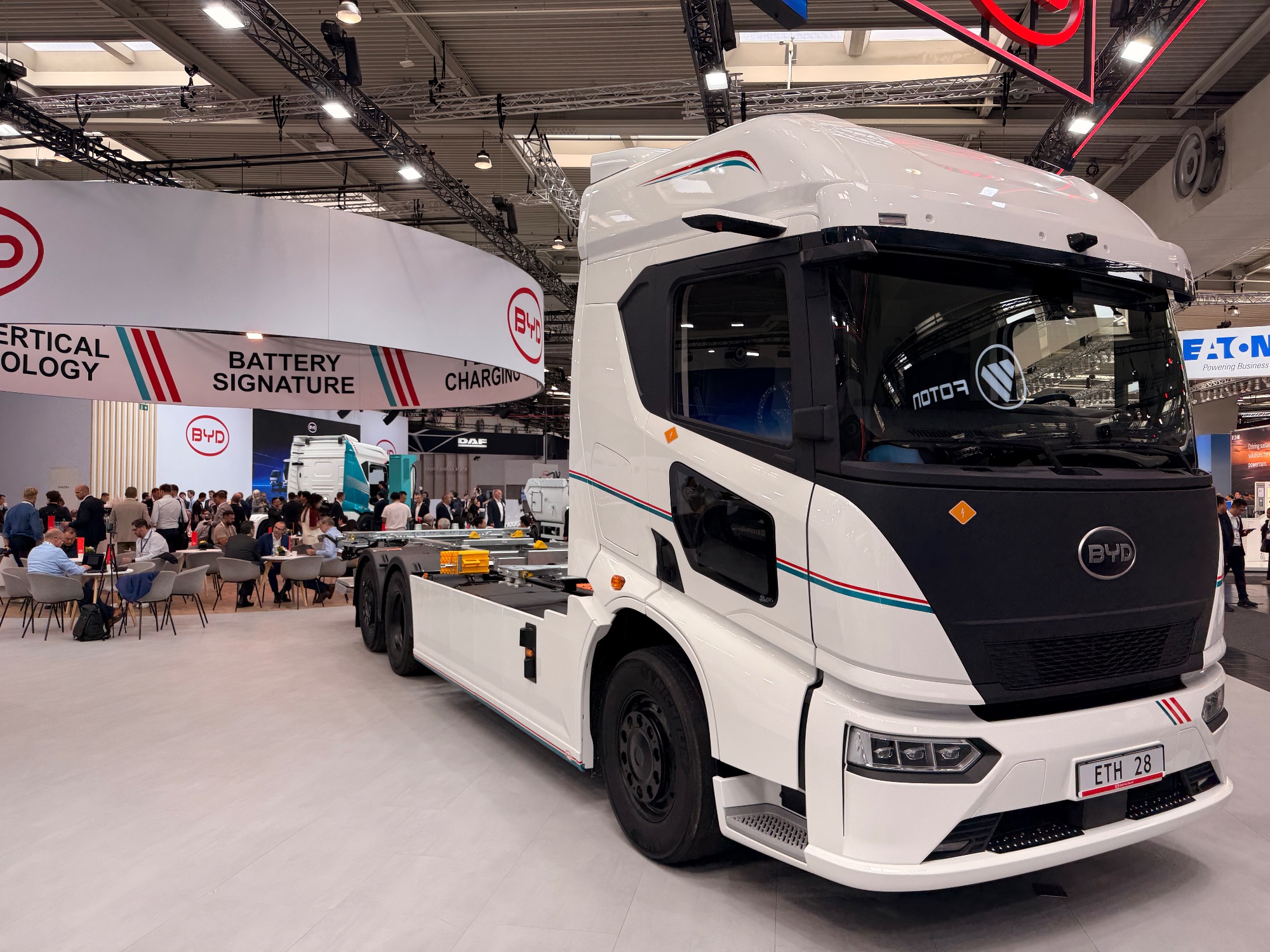
BYD may have an advantage in the commercial vehicle sector: the company develops and manufactures battery cells, electric powertrains, and other key components itself. However, it is not possible to determine from the show vehicle alone whether this gives the ETH28 an advantage in efficiency, price, or supply capacity.
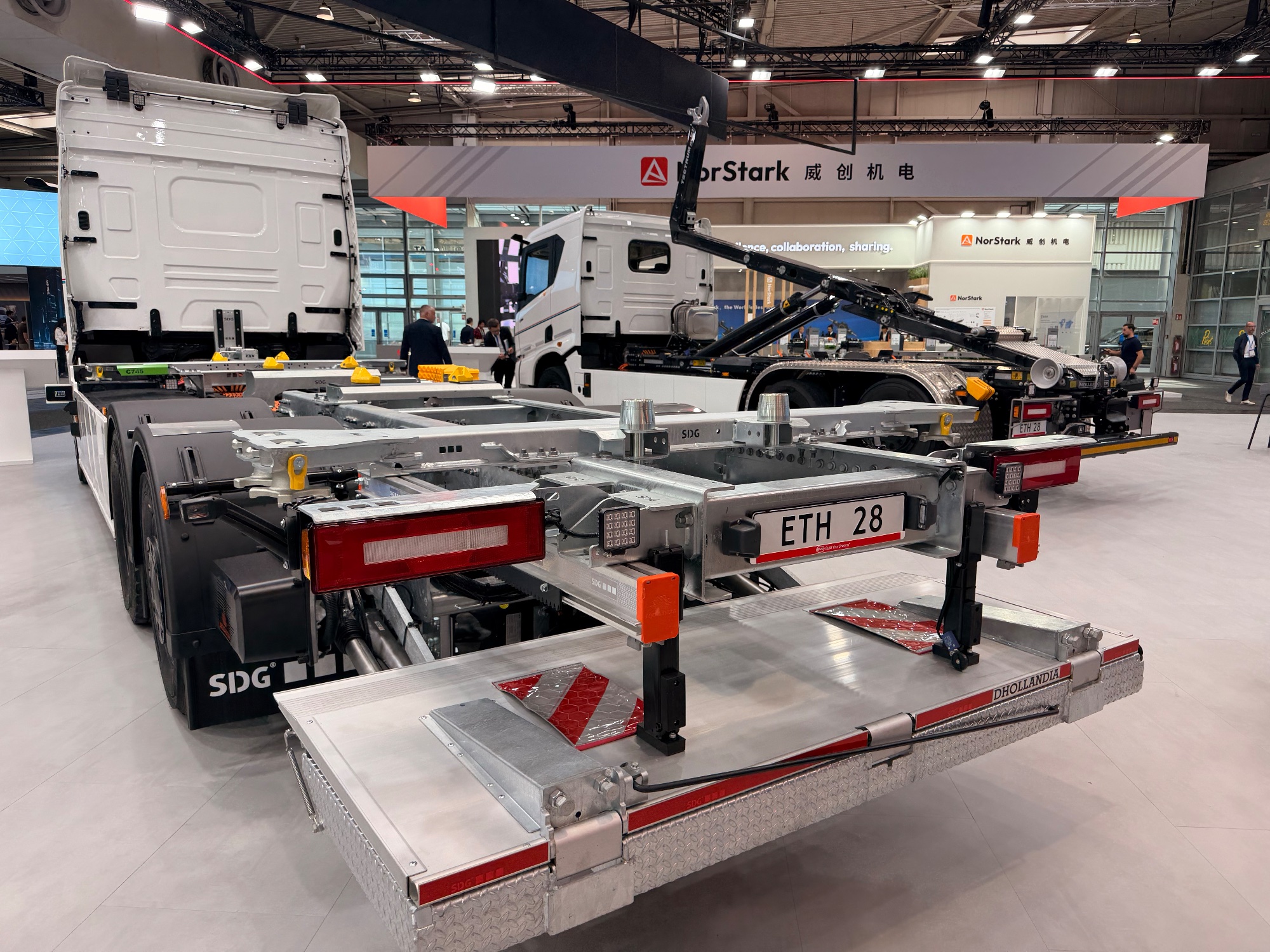
No reliable European figures were available to us for the ETH28’s battery capacity, WLTP range, charging power, payload, or price. We have therefore refrained from using figures from other BYD model lines, as they cannot readily be applied to this commercial vehicle. For fleet customers, the service network, spare-parts supply, and predictable downtime will be particularly important alongside the technical data. In any event, the company’s presence at the show demonstrates that BYD does not intend to limit its European activities to electric passenger cars.
Maxus eDeliver 420L
The Maxus eDeliver 420L appeared particularly futuristic to us in person. The various cameras and sensors visibly mounted on the vehicle’s exterior stood out. As a result, the model gives the impression—more strongly than a conventional delivery van—of a platform developed from the outset for digital assistance and automation functions.
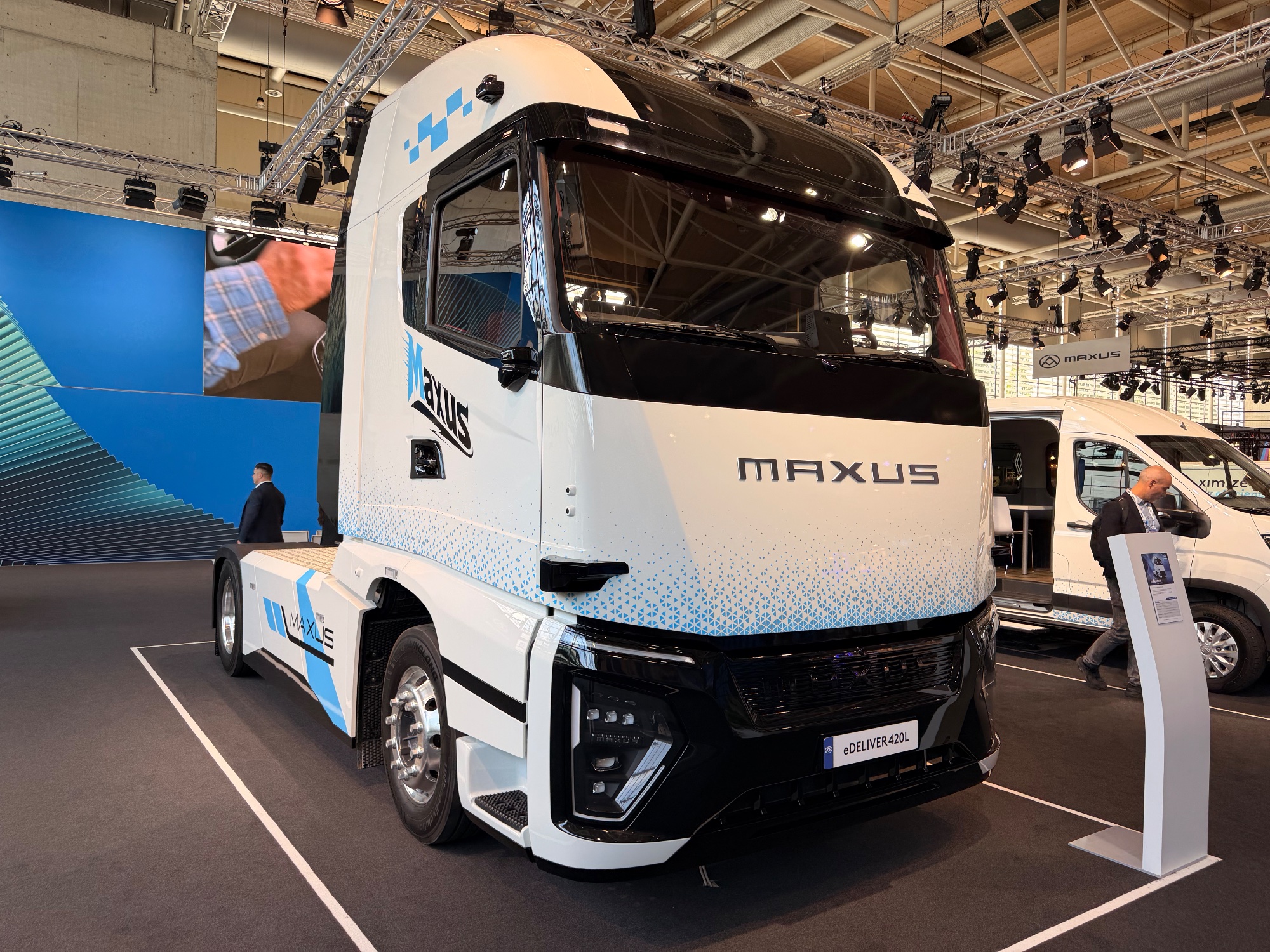
It was not possible to determine clearly from the vehicle which specific functions the individual sensors perform in the configuration on display. Possible uses include surroundings detection, digital mirrors, maneuvering aids, and monitoring areas that are difficult to see. Without corresponding confirmation from the manufacturer, however, no particular level of automation can be inferred from them.
Reliable technical specifications for the eDeliver 420L’s battery, range, charging power, and cargo volume were also unavailable. The figures listed in our database for the Maxus eDeliver T1 cannot be applied because it is a different model. Nevertheless, a highly sensor-connected vehicle could be interesting for urban logistics. Particularly in dense city traffic, good all-round visibility and precise maneuvering aids can make everyday work easier. Before series production, however, its price, repair costs, and the durability of its externally mounted technology will need to be clarified.
Foton Cavan
With the Cavan, Foton is focusing on light electric commercial vehicles. This means the model is not in the same weight class as the Skyworth Z9, eActros 600, or Tesla Semi. Nevertheless, this segment is important for the electrification of logistics because parcel services, skilled trades, and regional fleets require different vehicles from those used in long-haul transport.
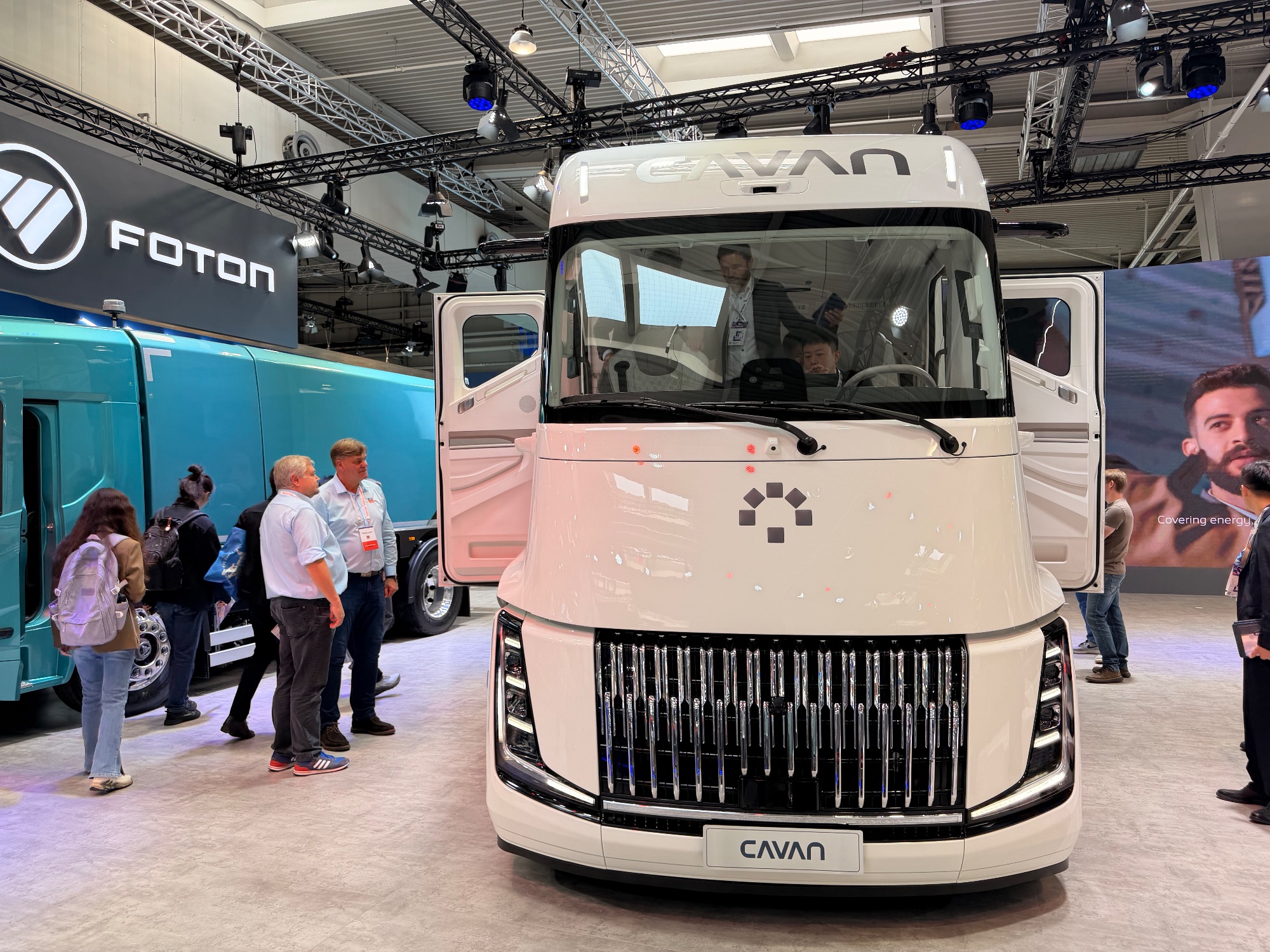
According to Foton, the Cavan model line is based on a platform developed specifically for electrified powertrains. Such a design can offer greater freedom in arranging the battery, powertrain, and cargo area than a combustion-engine model converted to electric power. Specific data and subsequent real-world tests will need to demonstrate the platform’s practical advantages in the vehicle on display.
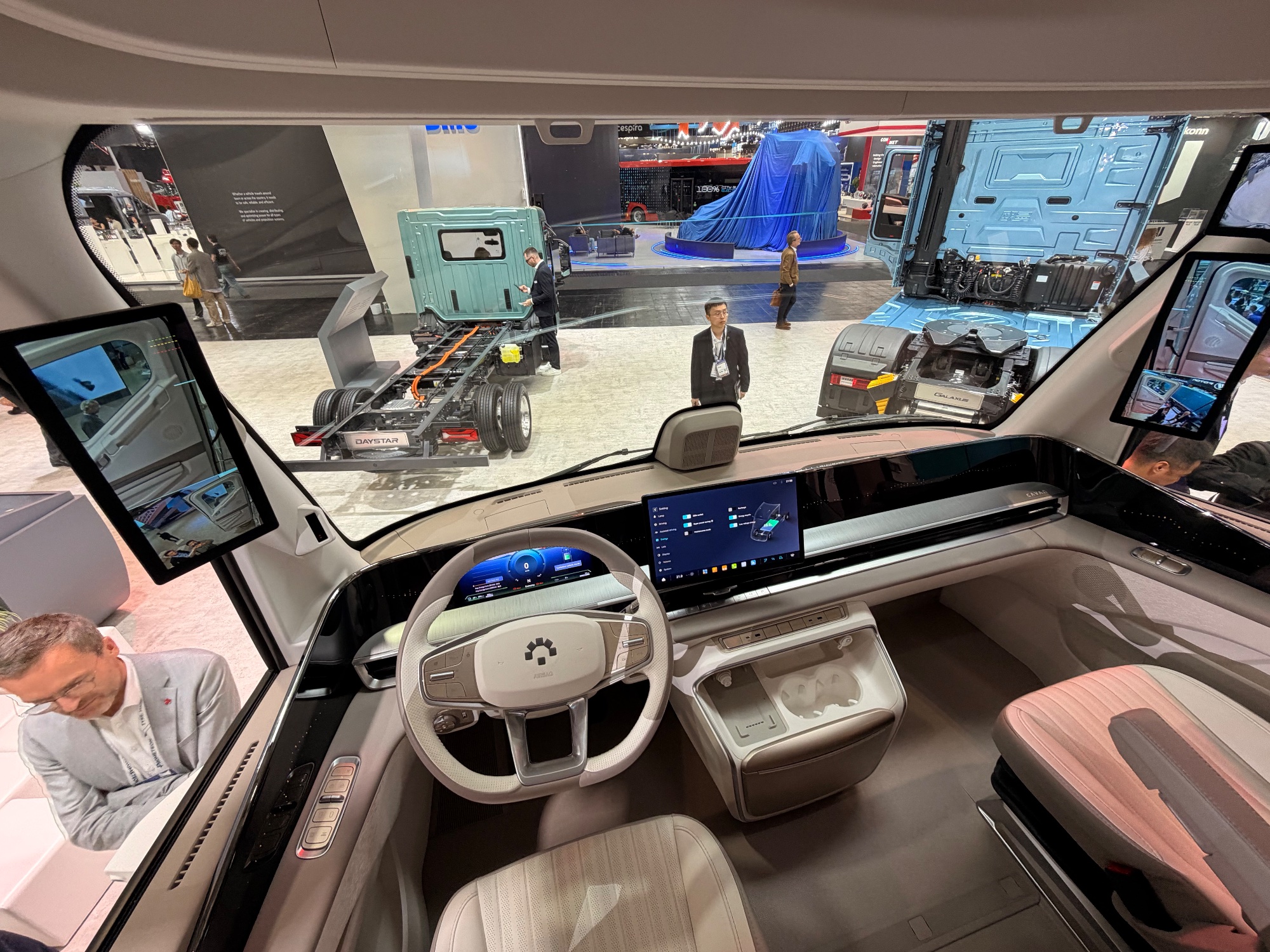
Foton also introduced the Cavan C1 series for the UK market in 2026 and points to initial deployments in several European countries. Reliable information about the German model range, prices, and a nationwide service network is still pending. For commercial vans in particular, this network is at least as important as range. A low purchase price is of little benefit to fleets if repairs or spare parts result in lengthy downtime. Nevertheless, the company’s presence at the show underlines that additional competitors are set to enter Europe’s electric delivery van market.
Conclusion
IAA Transportation 2026 brings together very different approaches. As a near-production complete package for long-haul transport, the Mercedes eActros 600 appears the most tangible. The European Tesla Semi is attracting attention primarily because of its power, distinctive concept, and planned charging network. At the same time, Skyworth, FAW, BYD, Maxus, and Foton demonstrate how strongly Chinese manufacturers are targeting Europe’s commercial vehicle market.
Alongside the models presented here, numerous other brands are showcasing their logistics solutions for the coming years. There is a great deal to see in Hanover, especially in the field of electric mobility. Those wishing to visit can attend the show on its public days; according to the organizer, it runs from September 15 to 20. Our key impression on site: the selection of electric commercial vehicles is growing rapidly, but charging infrastructure, service, and reliable operating costs will determine which concepts succeed in everyday use.